Recognize & Embrace Uncertainty

RUC BLIPMAP FORECASTS
BLIPMAP = Boundary Layer Information Prediction MAP
[The Boundary Layer (BL) is the region mixed by thermal eddies]
Created by Dr. John W. (Jack) Glendening, Meteorologist 

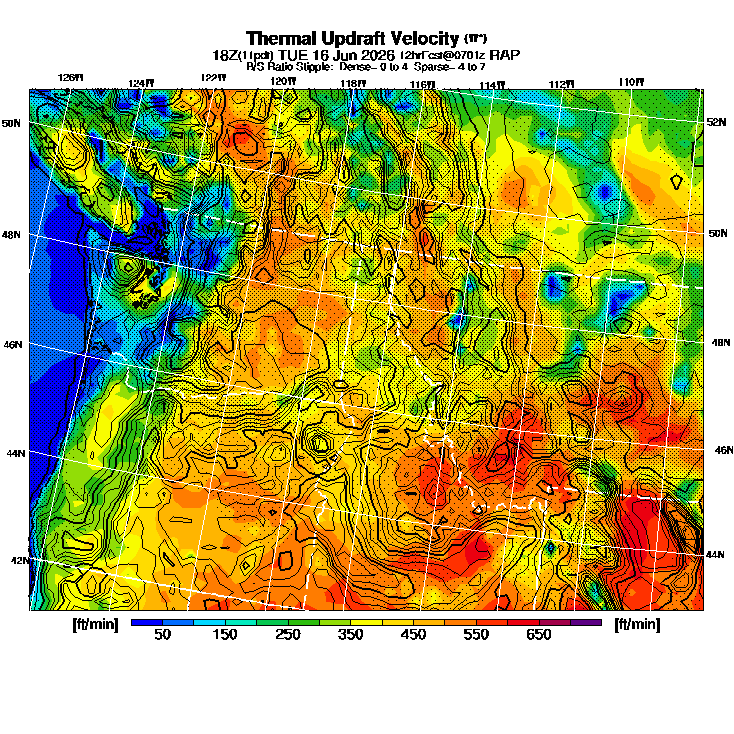
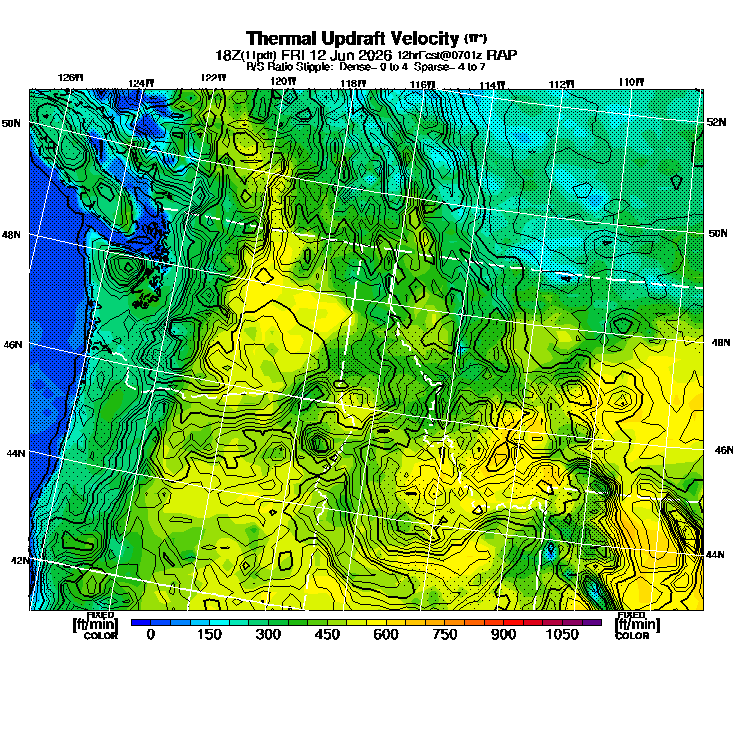
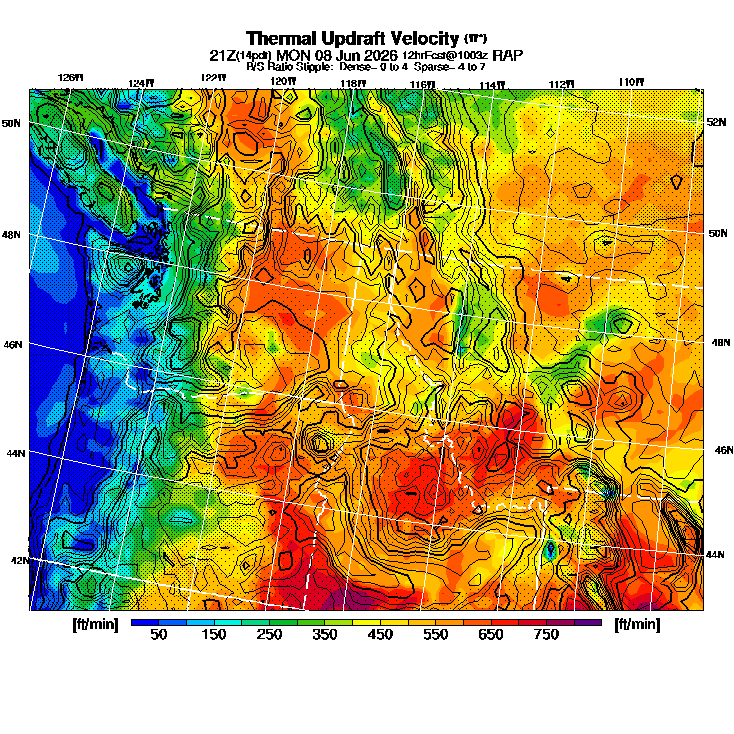
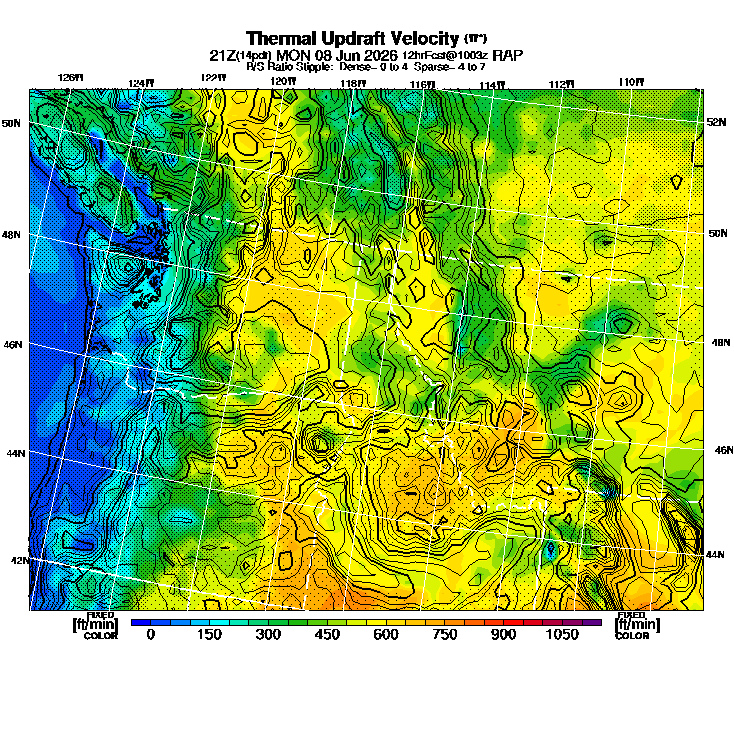
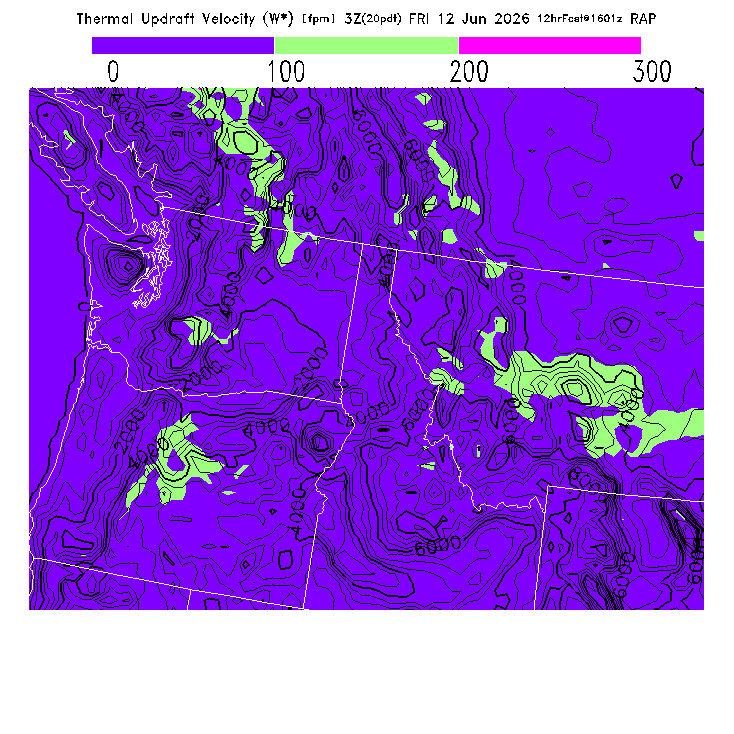
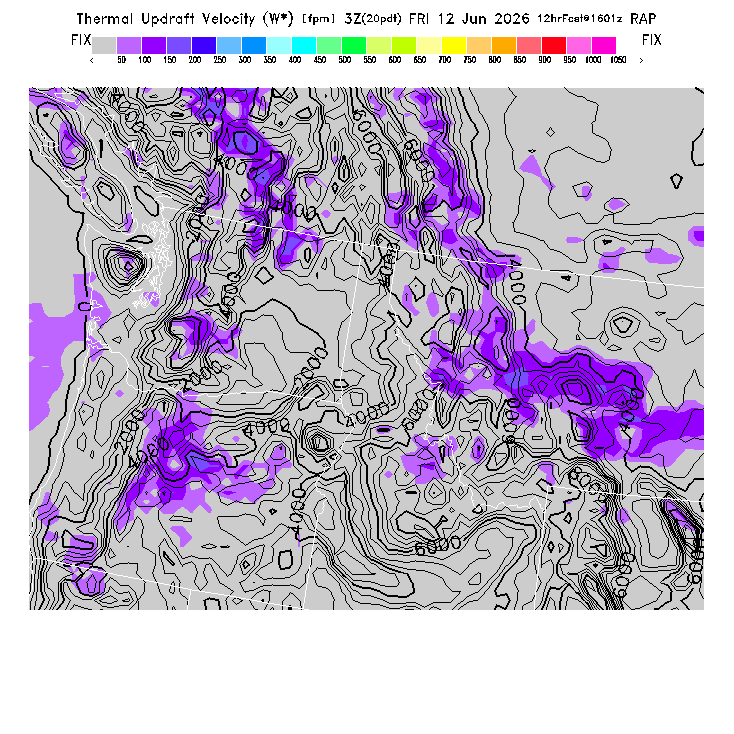
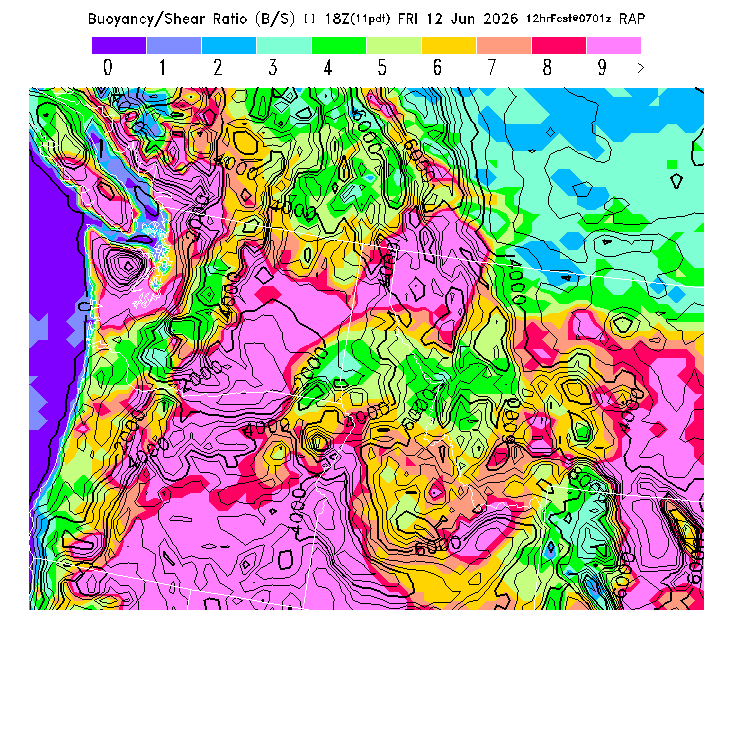
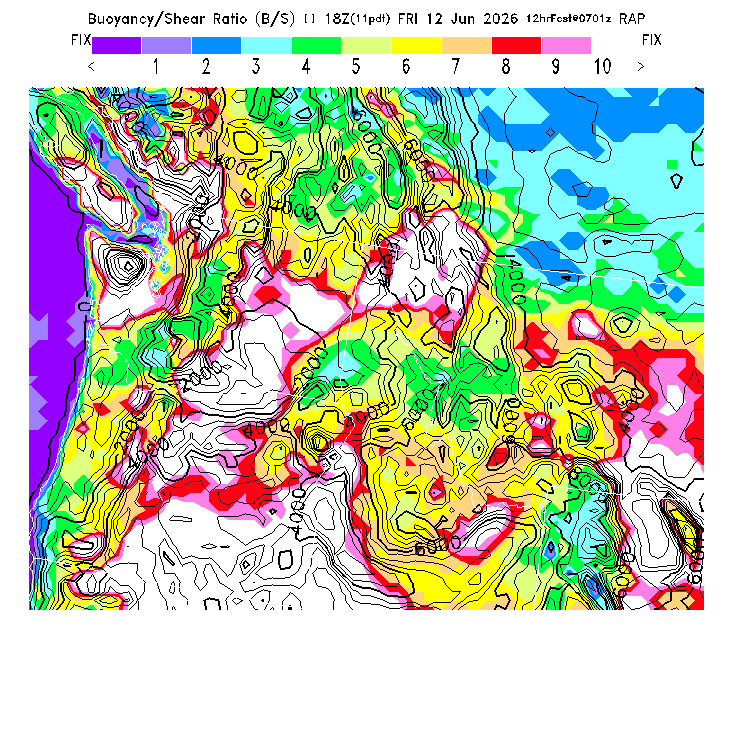
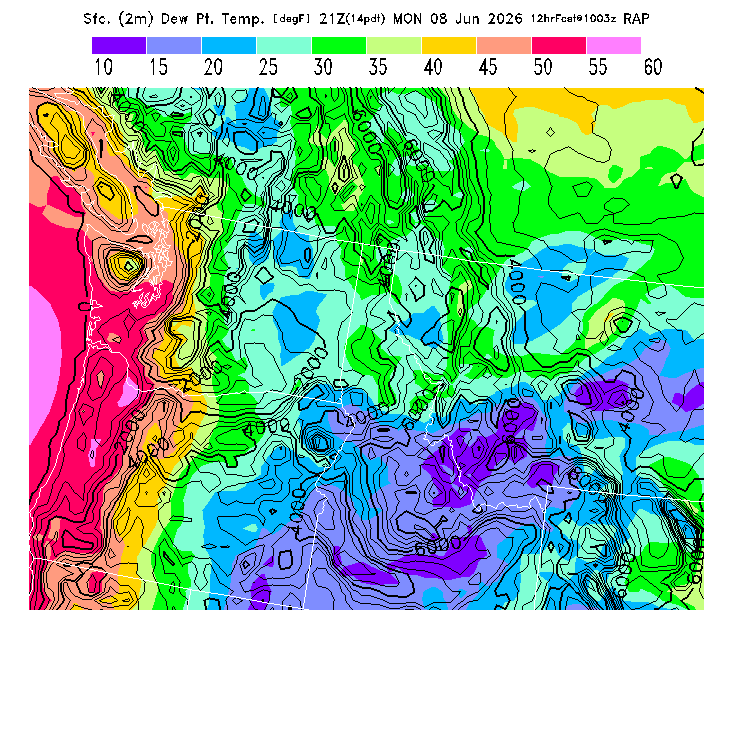
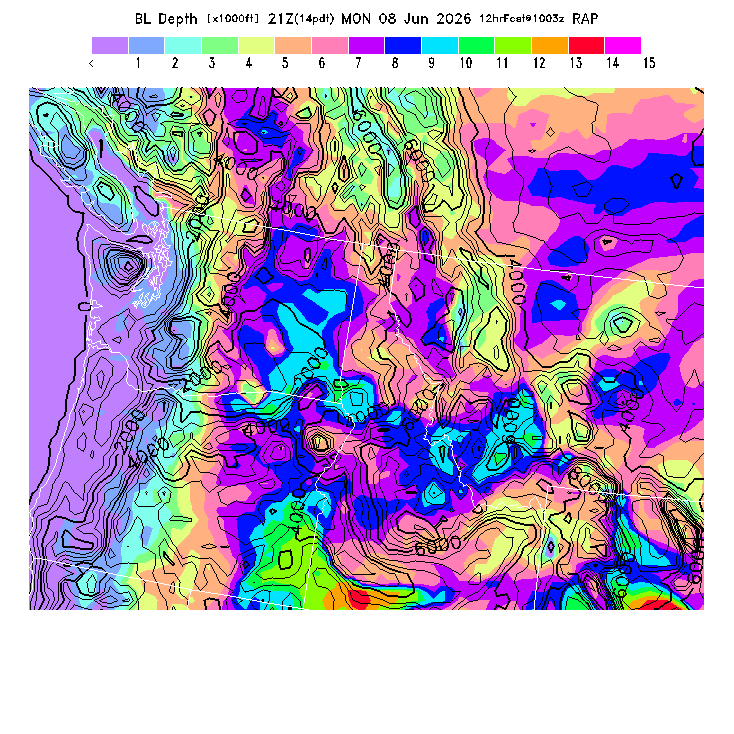
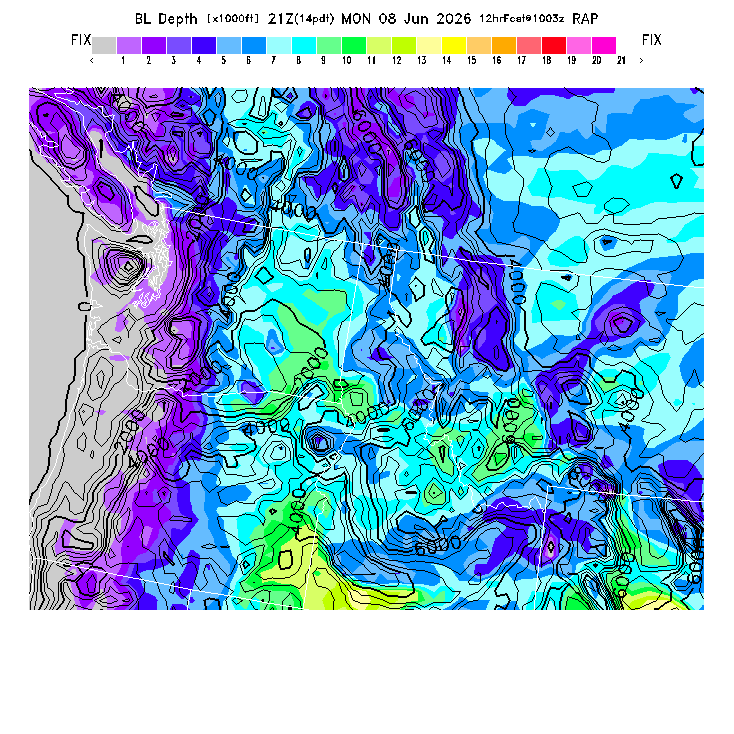
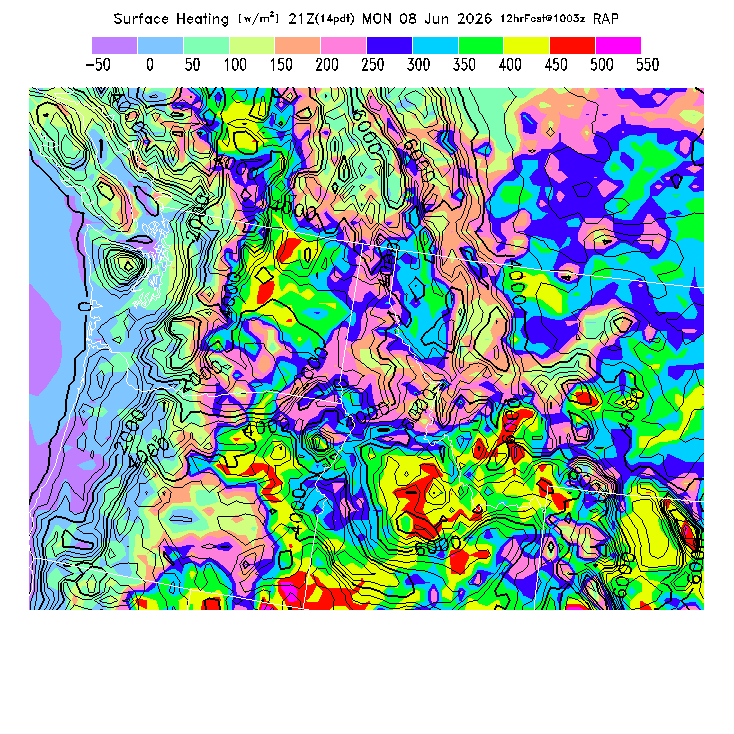
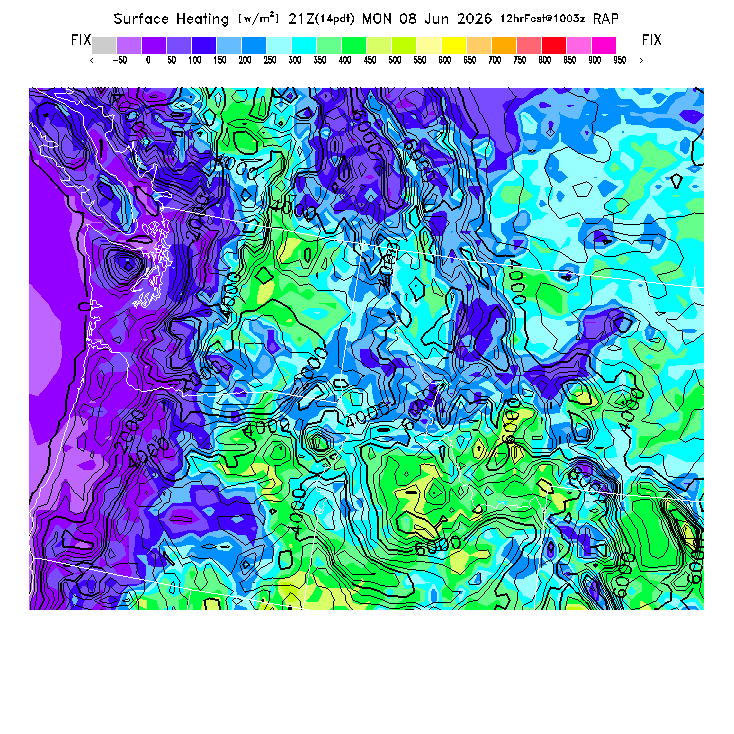
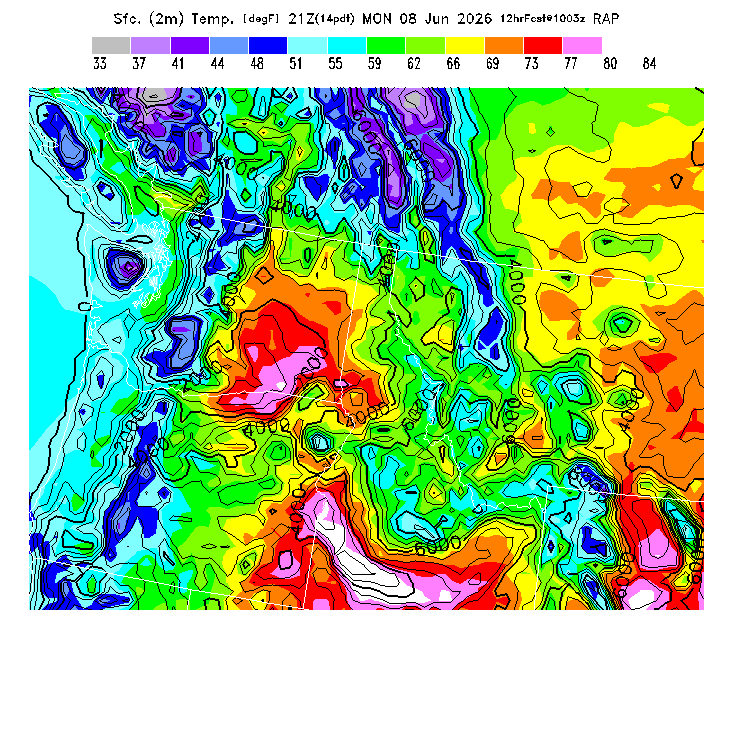
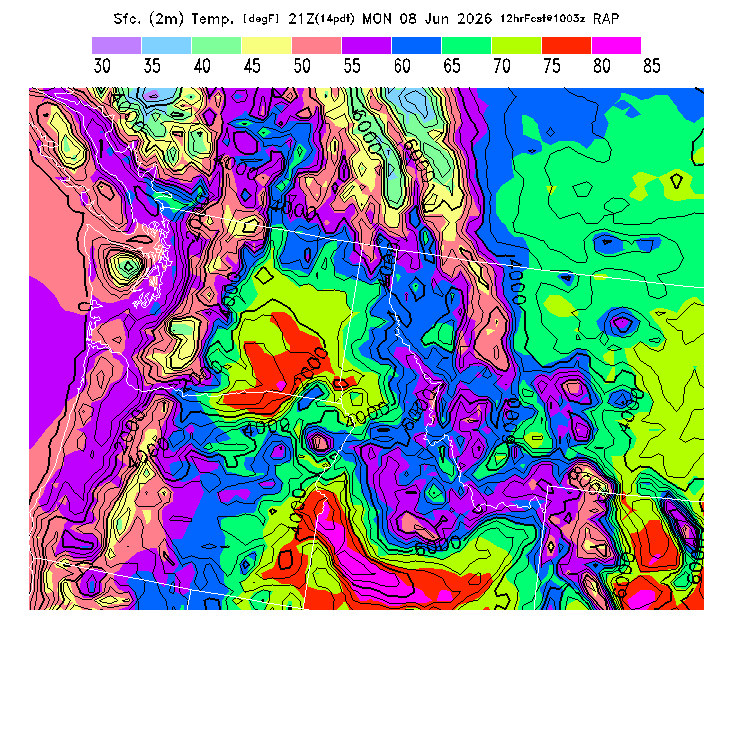
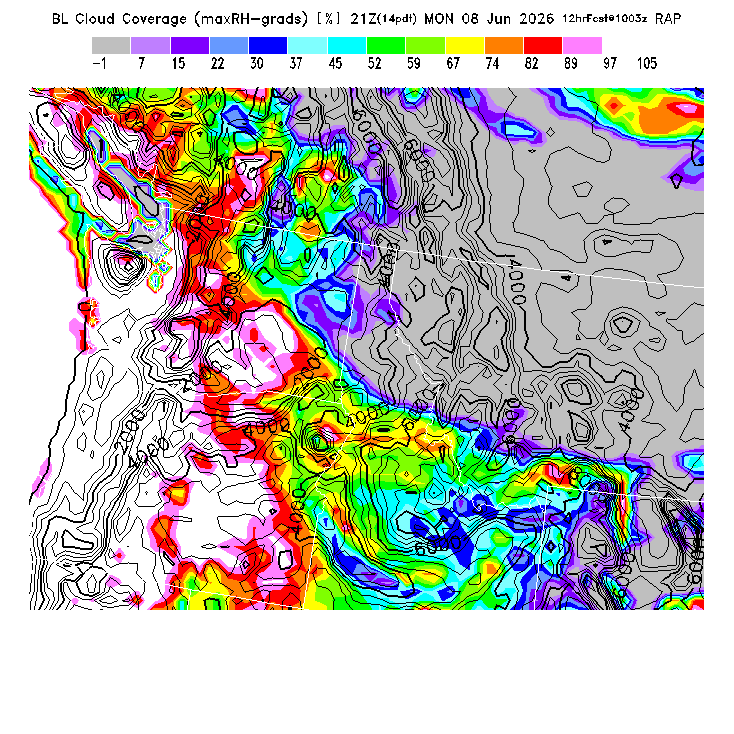
BLIPMAPs display thermal soaring parameters over a geographic region.

Multi-Time  NorthWest  Forecasts
20km RUC RESULTS    

Current time  day:                       Forecast Availabily
The "current day" changes shortly after 2Z     Time="---" if none yet available for current day

For RUC BLIPMAP forecasts at validation times other than Multi-Time and/or overlaying multiple parameters, use the regional Viewer OR the UniViewer OR auxiliary BLIP data display software.  Forecasts in 3 hour increments are also available at the regional Multi-Time Index 

For additional on-line information:  BLIPMAP HELP page

NEWS

DrJack Forum:
 Latest: Sun Jan 4 15:12 "Re: Trigger temperature" [Sergio Colacevich]


DrJack sez:   (Latest 5 news items)
Dec 1:  Updated the monthly BLIPMAP usage statistics
Aug 27:  Geographic maps update:  After a sudden revelation, and two days of work, I am now producing composite blipmaps which are congruent with the non-composite blipmaps!  As a consequence, the SkewT and mini-Blipspot PopUps now work for the composite blipmaps. 
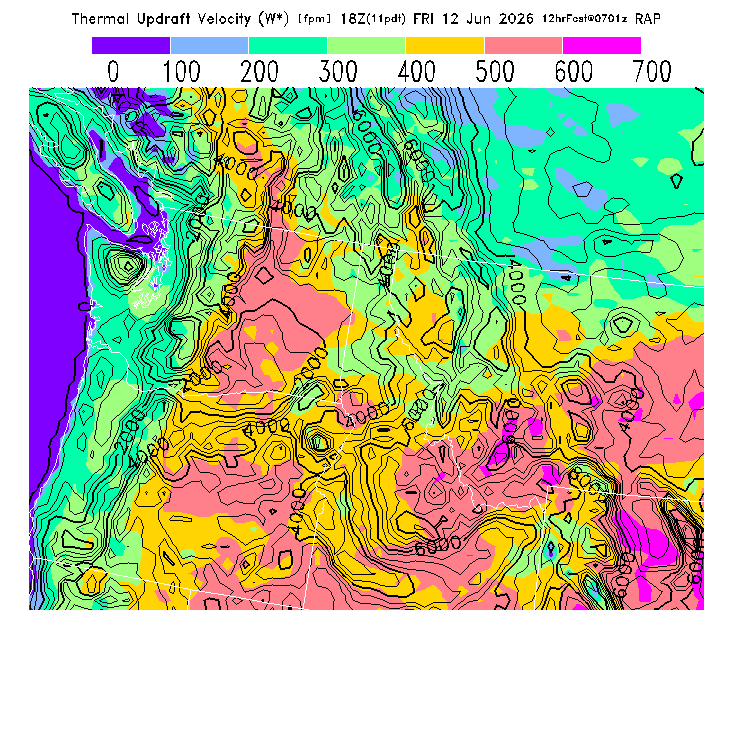
Aug 25:  Geographic maps now availables:  "Geographic maps" are now available on the forecast index webpages, the regional viewers, and the univiewer.  For the viewers, one can "switch" or "swap" back and forth between a forecast and the geographic map to better orient oneself.
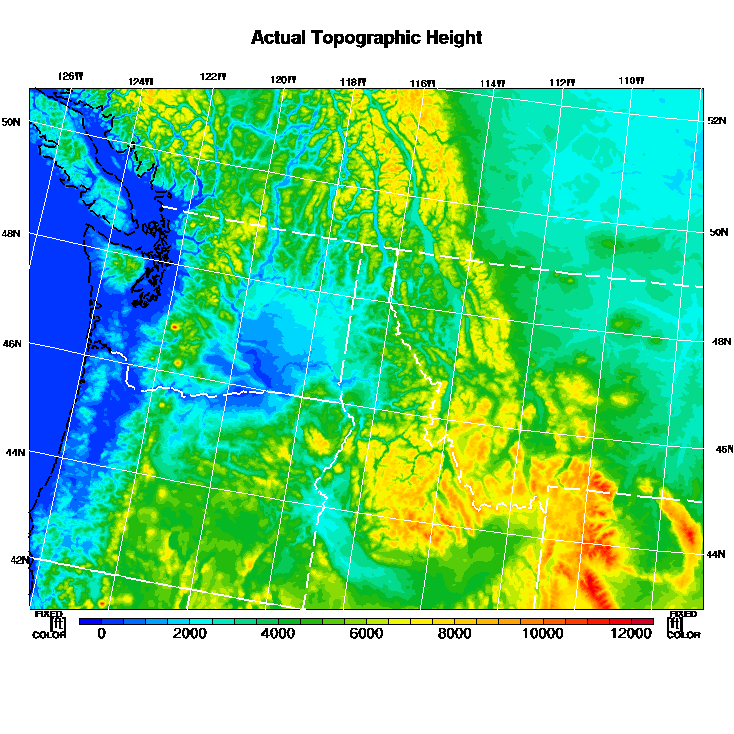
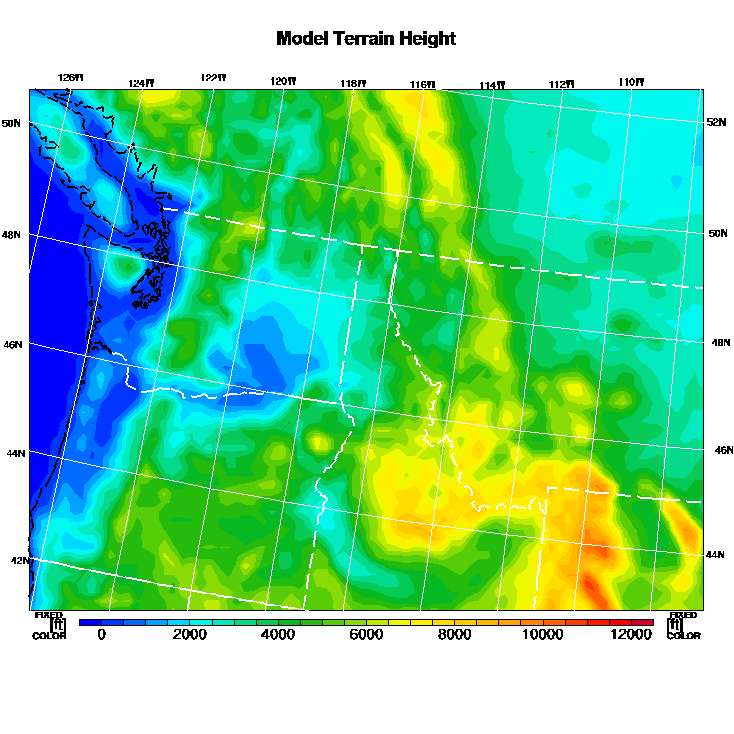
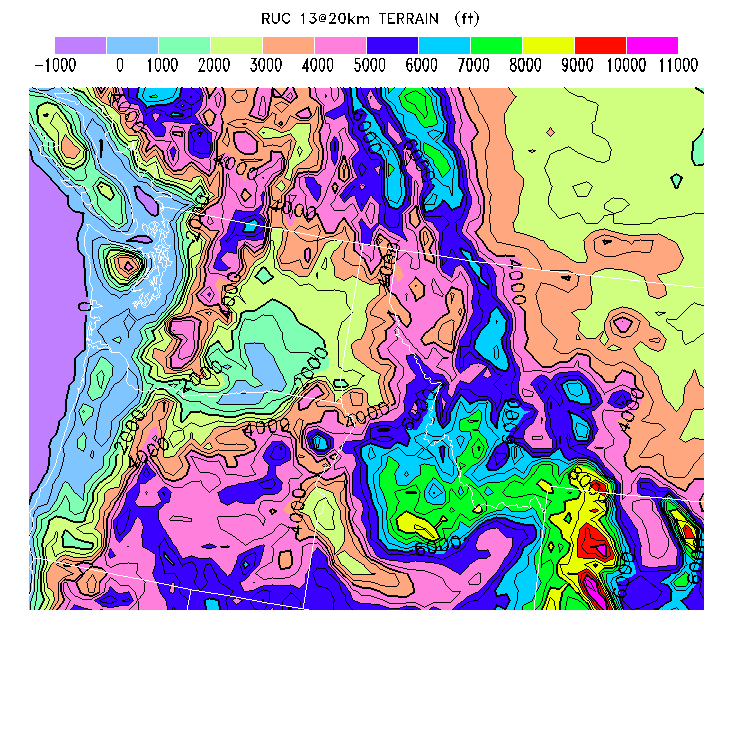
Jun 12:  RUC run changes:  The RUC runs started failing today.  I traced the problem to a re-arrangement of the NCEP RUC output file parameters and have made the necessary changes, so RUC BLIPMAPs are again being produced.  However, I also found that RUC topography heights have been slightly altered - the new values are being used in the calculations but the plotted BLIPMAP terrain will continue to be the old terrain until I can make the necessary changes (though I suspect the differences will be so small as to not be noticeable). 
View ALL recent news items here
 

REGISTRATION and SUBSCRIPTION:
Freely available forecasts are:  "Thermal Updraft Velocity" BLIPMAPs, "Buoyancy/Shear Ratio" BLIPMAPs, all "Previous Day" BLIPMAPs, and all BLIPSPOTs.  Other forecasts require a yearly subscription fee of $13 for either NAM or RUC forecasts and $20 for both.  Registration (free) is needed for direct (no-nag-screen) forecast access and to obtain a subscription.  New users can Register here.  Currently registered/subscribed users can Logon (get new cookie) here or view registration (cookie) status here.  More info is available at the Registration Information and Subscription Information webpages. 
EMAIL POLICY: 
There are many advantages to having one person's knowledge be shared and available to others, so I expect most BLIPMAP issues to be handled through the DrJack Forum and ask those who have a question or problem or experience which could be of interest to others to post it there.  This allows others to comment on the matter if they have any personal experience and also allows any response I make to be read by others.  If you send me an email, I will respond personally only if it's nature is not appropriate for such posting - in other cases I will simply reply with a request to post to the forum. 
FEEDBACK REQUEST: 
I only look at the webpages and maps that I use personally or that I suspect might contain an error.  If you notice a consistent problem with either, please post a message on the DrJack Forum.
T-SHIRTS:
Upon request, I've made available to others the T-shirts I created for myself.


FORECASTS

THERMAL PARAMETER FORECASTS:
COMPOSITE: 15Z: Thermal Updraft Velocity & Buoyancy/Shear Ratio     [FREE]      
      "Classic" Coloring:       Latest      FirstToday      PreviousDay     
      Fixed Coloring:       Latest      FirstToday      PreviousDay     
COMPOSITE: 18Z: Thermal Updraft Velocity & Buoyancy/Shear Ratio     [FREE]      
      "Classic" Coloring:       Latest      FirstToday      PreviousDay     
      Fixed Coloring:       Latest      FirstToday      PreviousDay     
COMPOSITE: 21Z: Thermal Updraft Velocity & Buoyancy/Shear Ratio     [FREE]      
      "Classic" Coloring:       Latest      FirstToday      PreviousDay     
      Fixed Coloring:       Latest      FirstToday      PreviousDay     
COMPOSITE:   0Z: Thermal Updraft Velocity & Buoyancy/Shear Ratio     [FREE]      
      "Classic" Coloring:       Latest      FirstToday      PreviousDay     
      Fixed Coloring:       Latest      FirstToday      PreviousDay     
COMPOSITE:   3Z: Thermal Updraft Velocity & Buoyancy/Shear Ratio     [FREE]      
      "Classic" Coloring:       Latest      FirstToday      PreviousDay     
      Fixed Coloring:       Latest      FirstToday      PreviousDay     
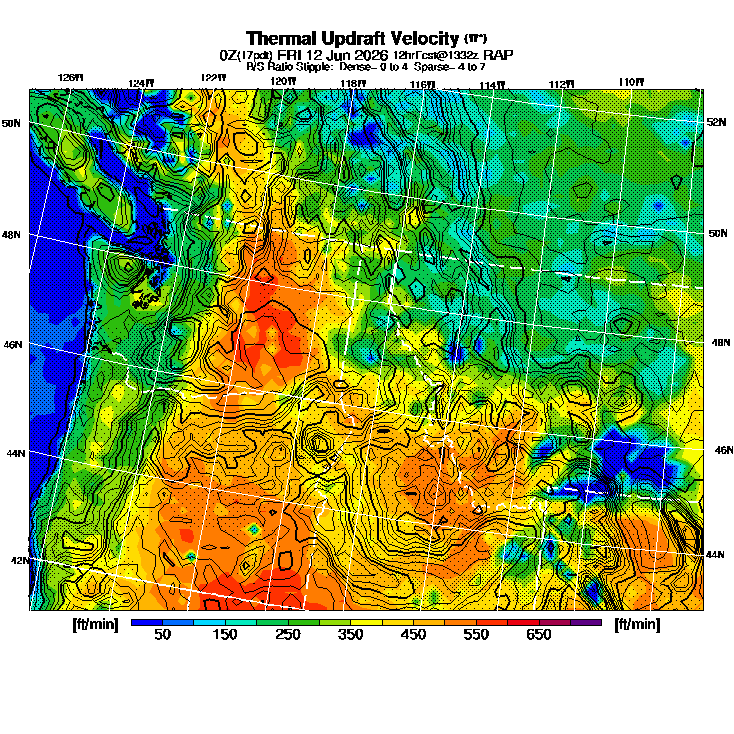
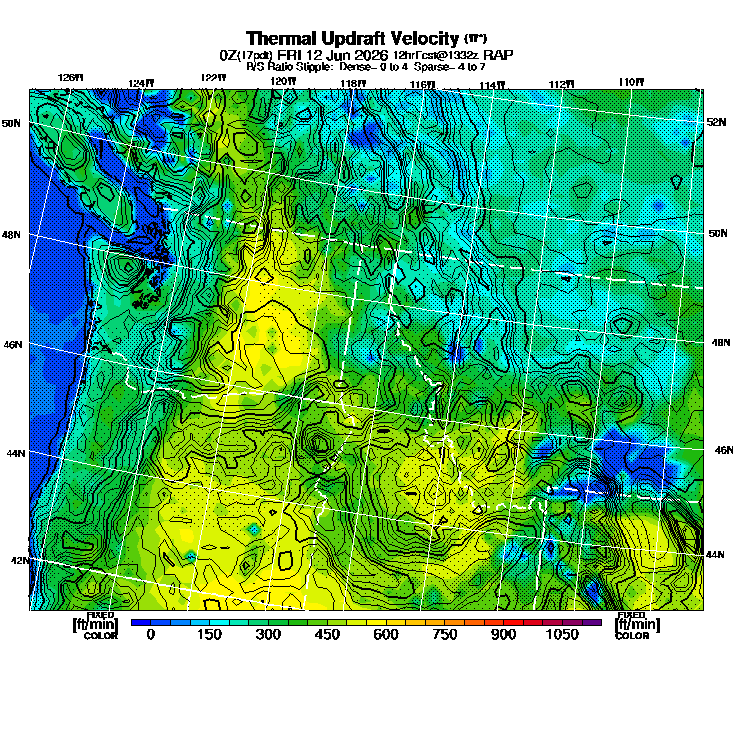
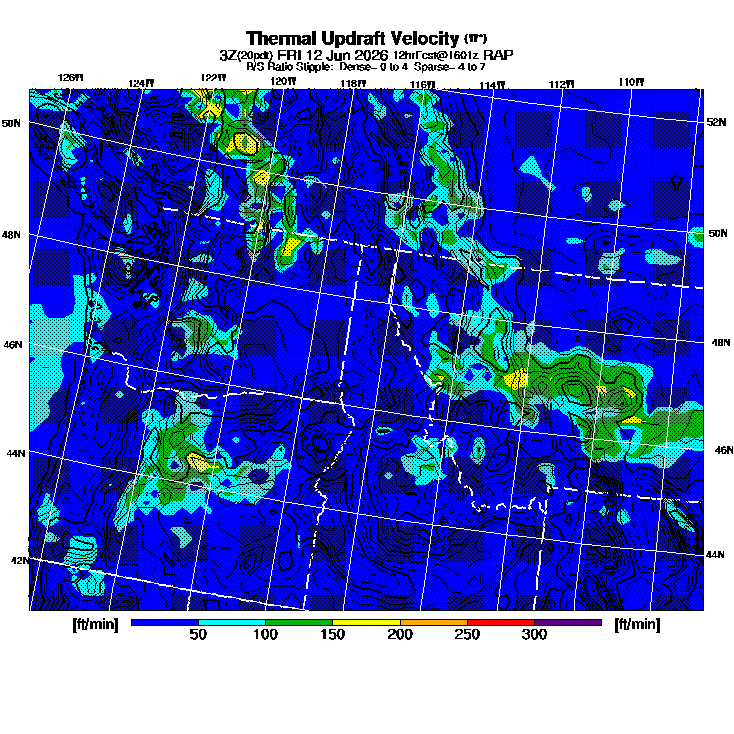
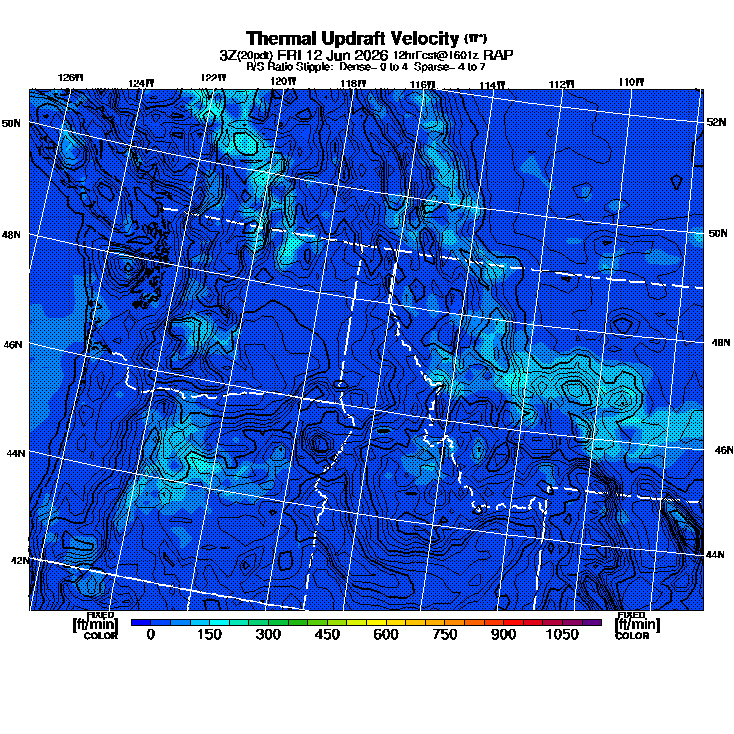
B/S Ratio stippling (dense=0-4 sparse=4-7) overlays Thermal Updraft Velocity contours to indicate where strong thermals can be broken by vertical wind shear.  See "Thermal Updraft Velocity" and "Buoyancy/Shear Ratio" parameter descriptions below for more information. 

15Z: Thermal Updraft Velocity (W*)     [FREE]      
      "Classic" Coloring:       Latest      FirstToday      PreviousDay
      Fixed Coloring:       Latest      FirstToday      PreviousDay
18Z: Thermal Updraft Velocity (W*)     [FREE]      
      "Classic" Coloring:       Latest      FirstToday      PreviousDay
      Fixed Coloring:       Latest      FirstToday      PreviousDay
21Z: Thermal Updraft Velocity (W*)     [FREE]      
      "Classic" Coloring:       Latest      FirstToday      PreviousDay
      Fixed Coloring:       Latest      FirstToday      PreviousDay
  0Z: Thermal Updraft Velocity (W*)     [FREE]      
      "Classic" Coloring:       Latest      FirstToday      PreviousDay
      Fixed Coloring:       Latest      FirstToday      PreviousDay
  3Z: Thermal Updraft Velocity (W*)     [FREE]      
      "Classic" Coloring:       Latest      FirstToday      PreviousDay
      Fixed Coloring:       Latest      FirstToday      PreviousDay
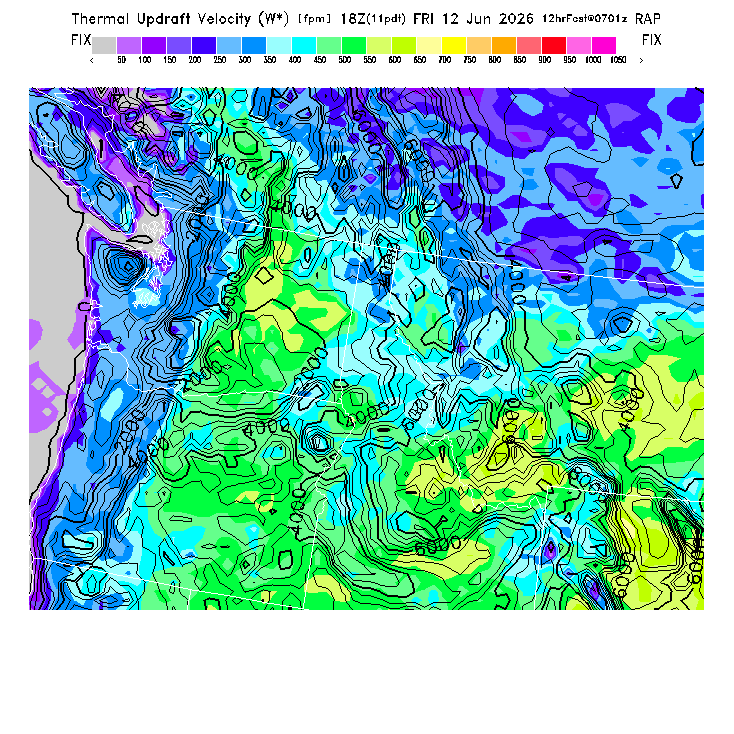
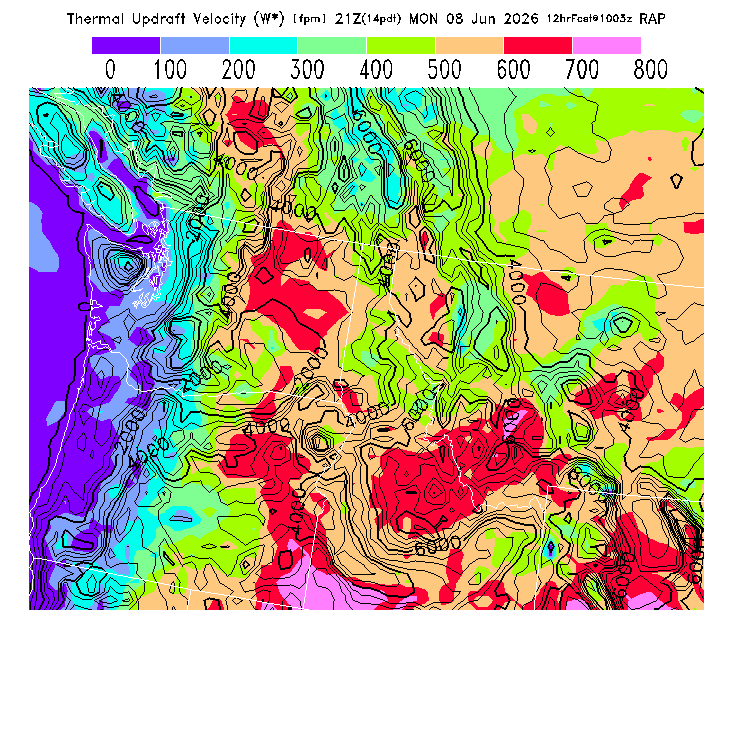
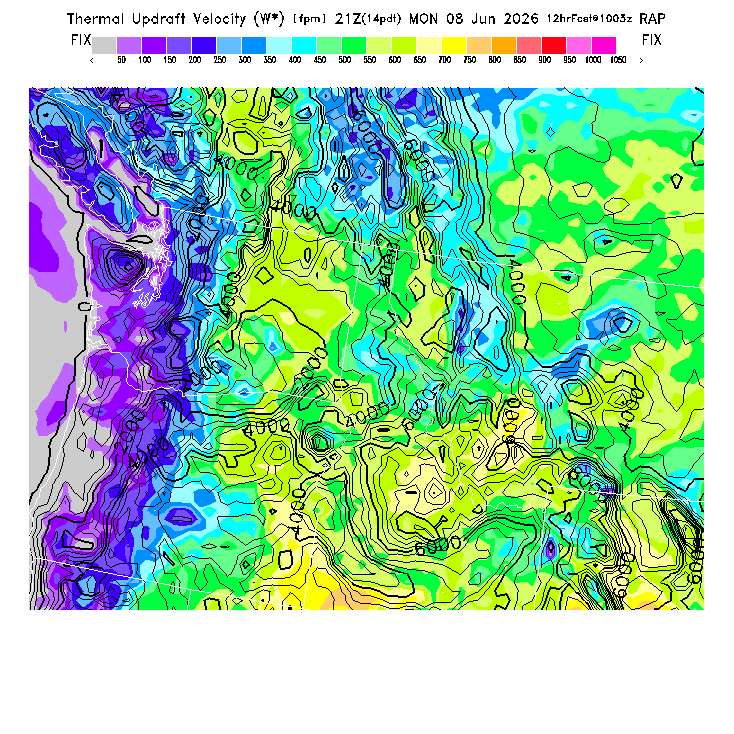
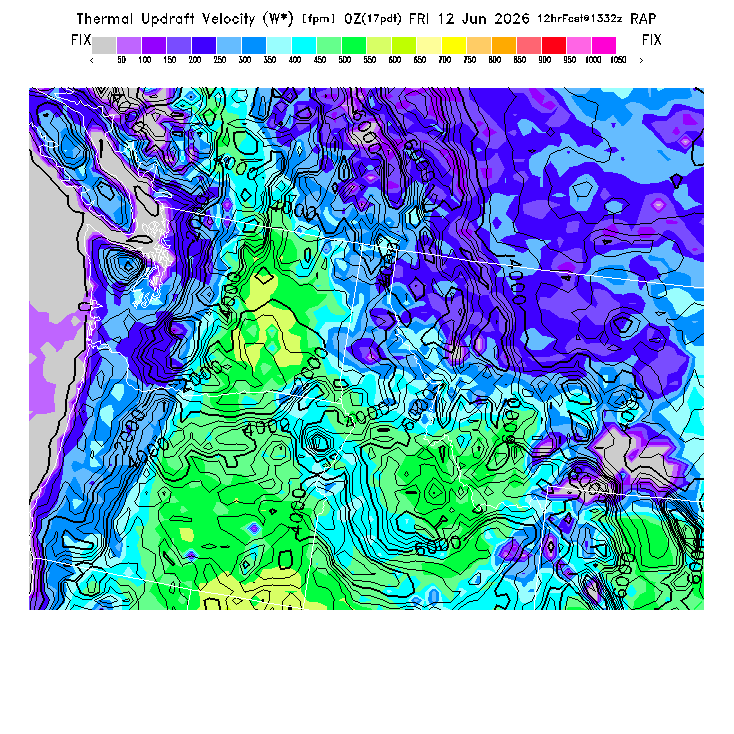
Average dry thermal updraft strength near mid-BL height.  Subtract glider descent rate to get average vario reading for cloudless thermals.  Thermal strengths will be stronger if convective clouds are present.  W* depends upon both the BL depth and the surface heating.  MoreInfo

15Z: Buoyancy/Shear Ratio (B/S)     [FREE]      
      "Classic" Coloring:       Latest      FirstToday      PreviousDay
      Fixed Coloring:       Latest      FirstToday      PreviousDay
18Z: Buoyancy/Shear Ratio (B/S)     [FREE]      
      "Classic" Coloring:       Latest      FirstToday      PreviousDay
      Fixed Coloring:       Latest      FirstToday      PreviousDay
21Z: Buoyancy/Shear Ratio (B/S)     [FREE]      
      "Classic" Coloring:       Latest      FirstToday      PreviousDay
      Fixed Coloring:       Latest      FirstToday      PreviousDay
  0Z: Buoyancy/Shear Ratio (B/S)     [FREE]      
      "Classic" Coloring:       Latest      FirstToday      PreviousDay
      Fixed Coloring:       Latest      FirstToday      PreviousDay
  3Z: Buoyancy/Shear Ratio (B/S)     [FREE]      
      "Classic" Coloring:       Latest      FirstToday      PreviousDay
      Fixed Coloring:       Latest      FirstToday      PreviousDay
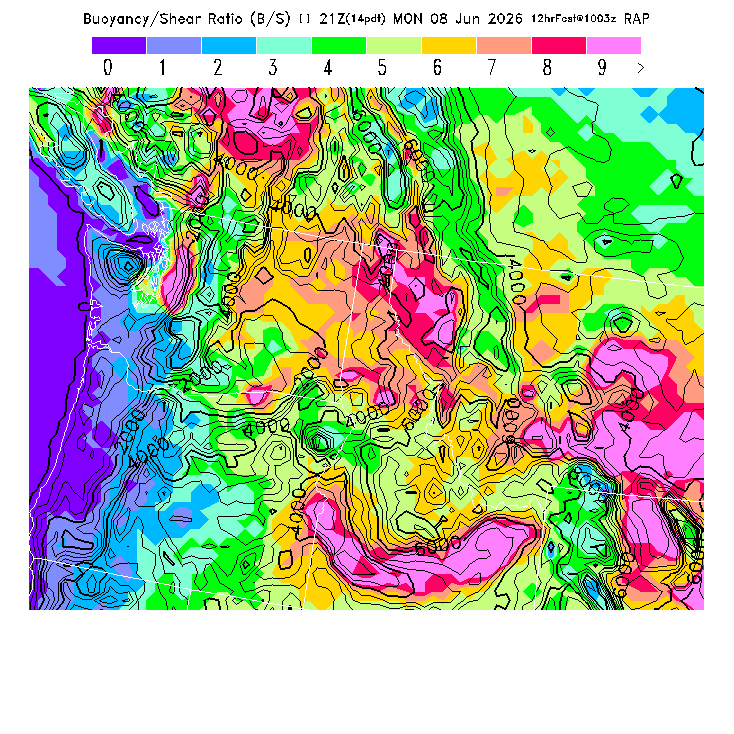
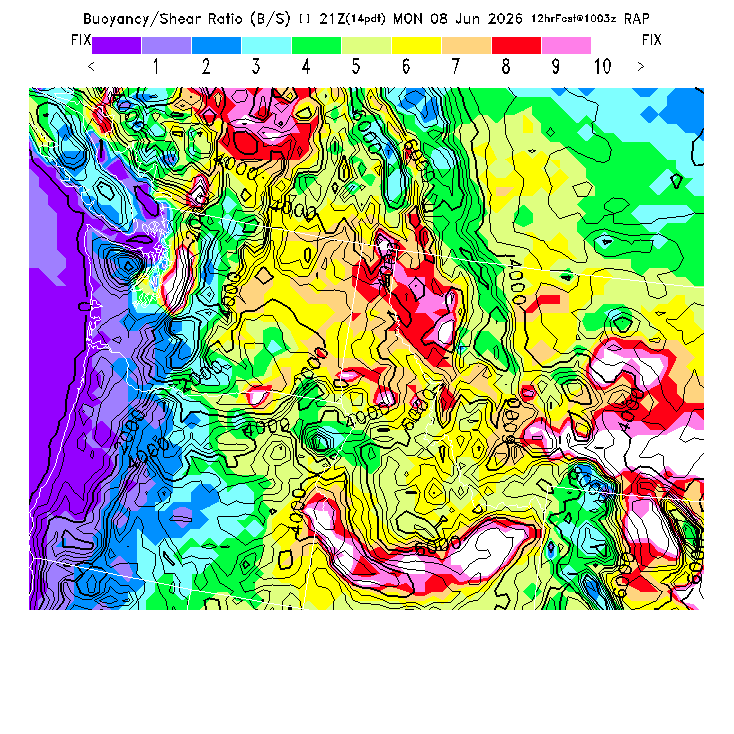
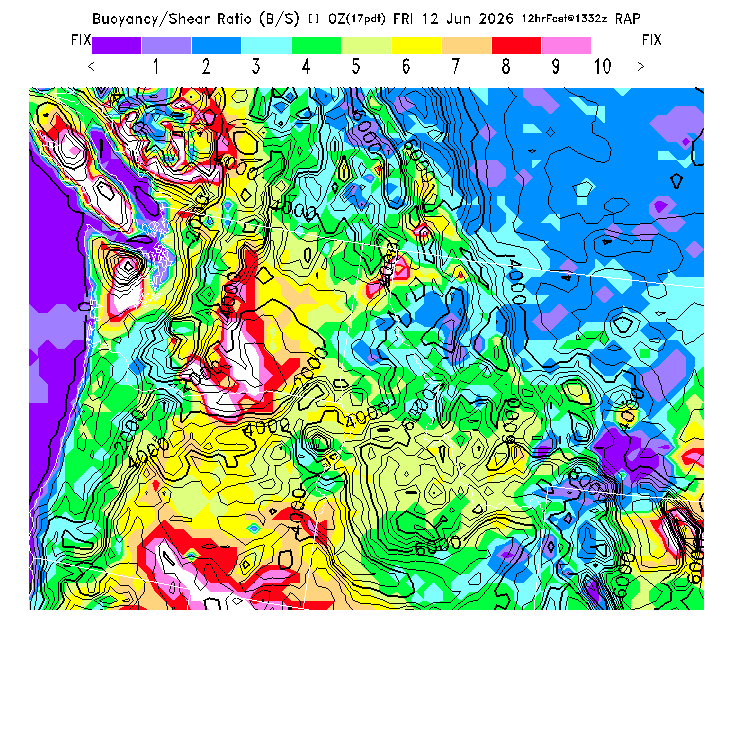
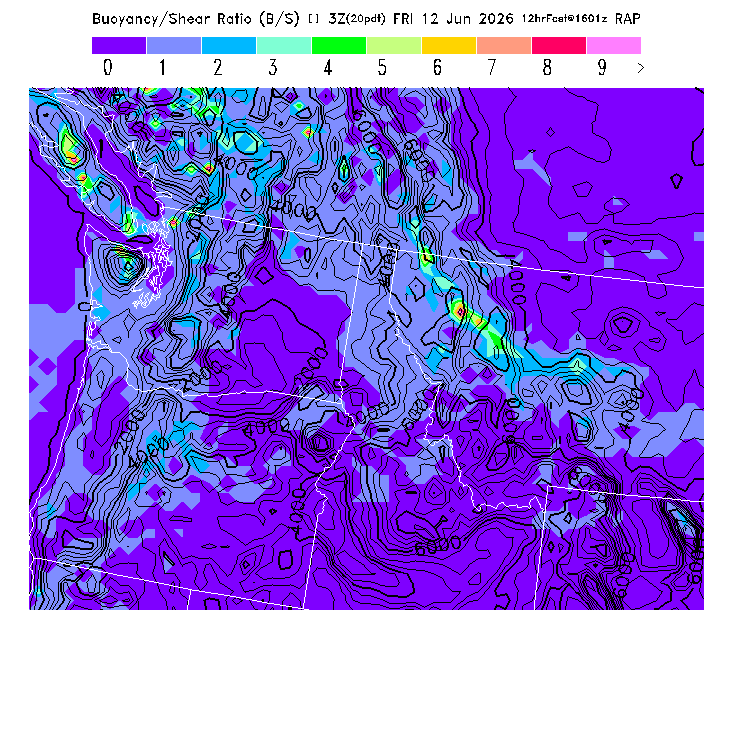
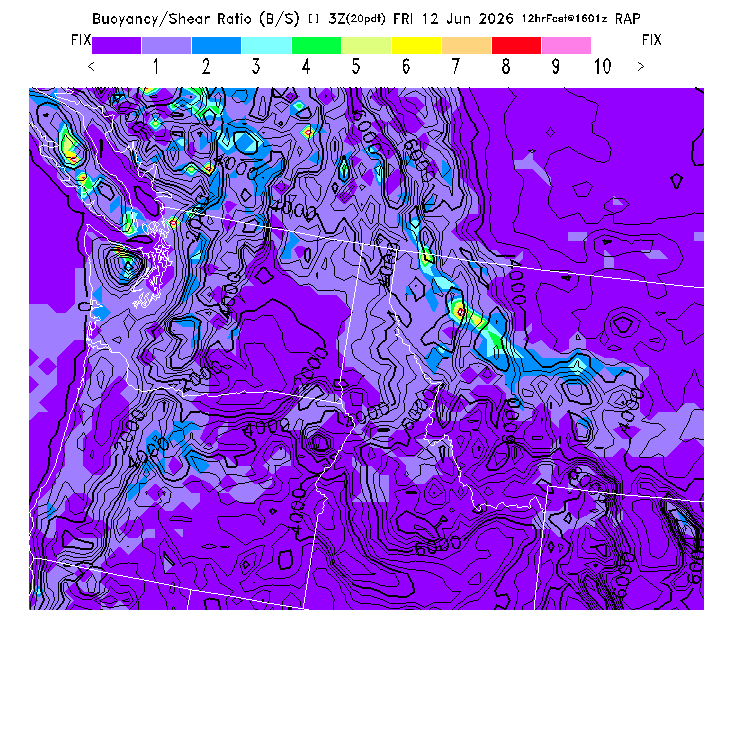
Dry thermals may be broken up by vertical wind shear (i.e. wind changing with height) and unworkable if B/S ratio is 5 or less.  If convective clouds are present, the actual B/S ratio will be larger than calculated here.  [This parameter is truncated at 20 for plotting.]   MoreInfo

15Z: Height of Boundary Layer Top (TI=0 height)     
      "Classic" Coloring:       Latest      FirstToday      PreviousDay
      Fixed Coloring:       Latest      FirstToday      PreviousDay
18Z: Height of Boundary Layer Top (TI=0 height)     
      "Classic" Coloring:       Latest      FirstToday      PreviousDay
      Fixed Coloring:       Latest      FirstToday      PreviousDay
21Z: Height of Boundary Layer Top (TI=0 height)     
      "Classic" Coloring:       Latest      FirstToday      PreviousDay
      Fixed Coloring:       Latest      FirstToday      PreviousDay
  0Z: Height of Boundary Layer Top (TI=0 height)     
      "Classic" Coloring:       Latest      FirstToday      PreviousDay
      Fixed Coloring:       Latest      FirstToday      PreviousDay
  3Z: Height of Boundary Layer Top (TI=0 height)     
      "Classic" Coloring:       Latest      FirstToday      PreviousDay
      Fixed Coloring:       Latest      FirstToday      PreviousDay
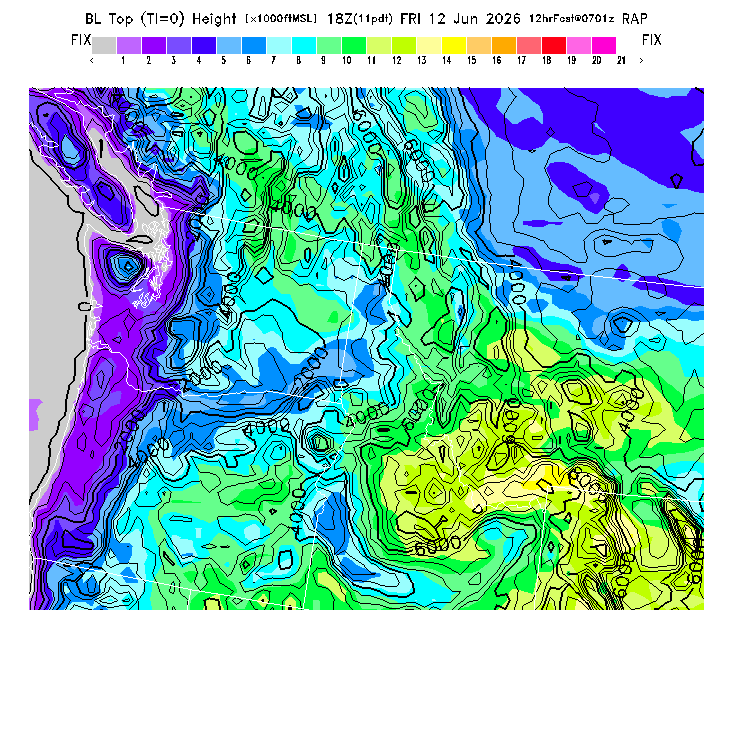
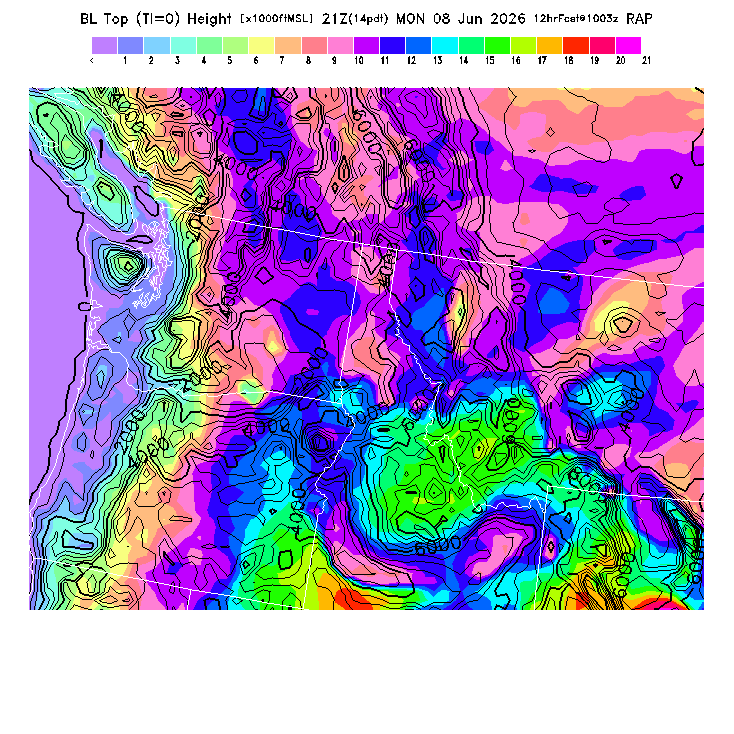
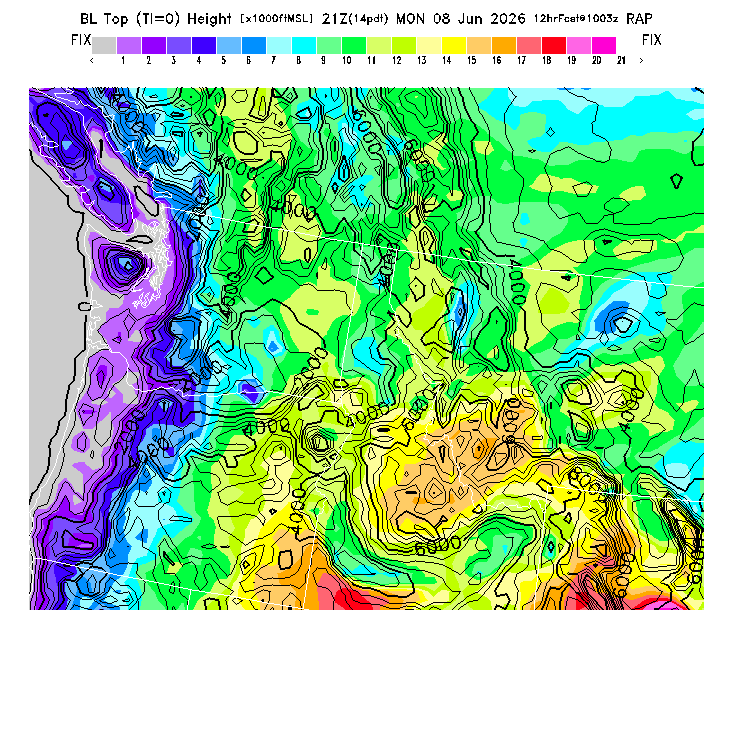
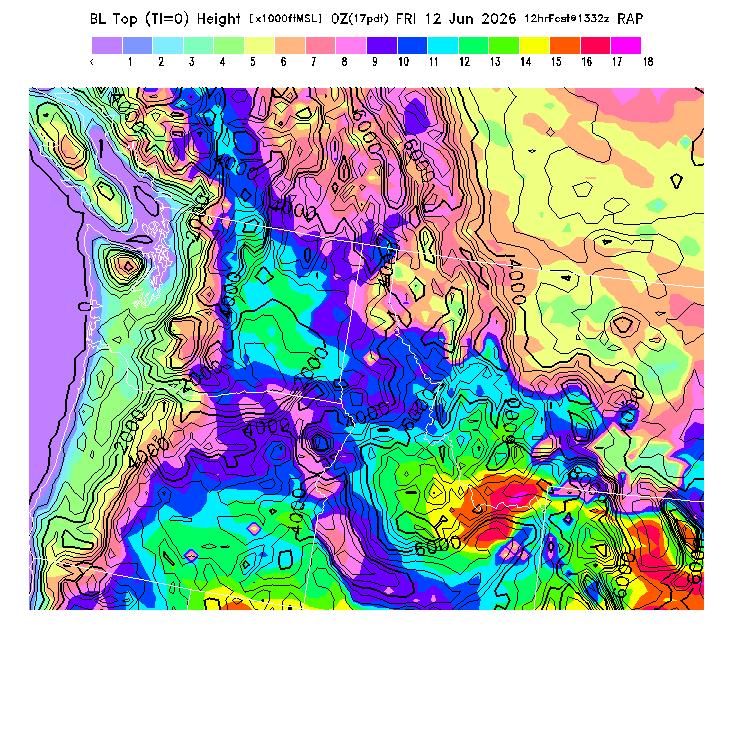
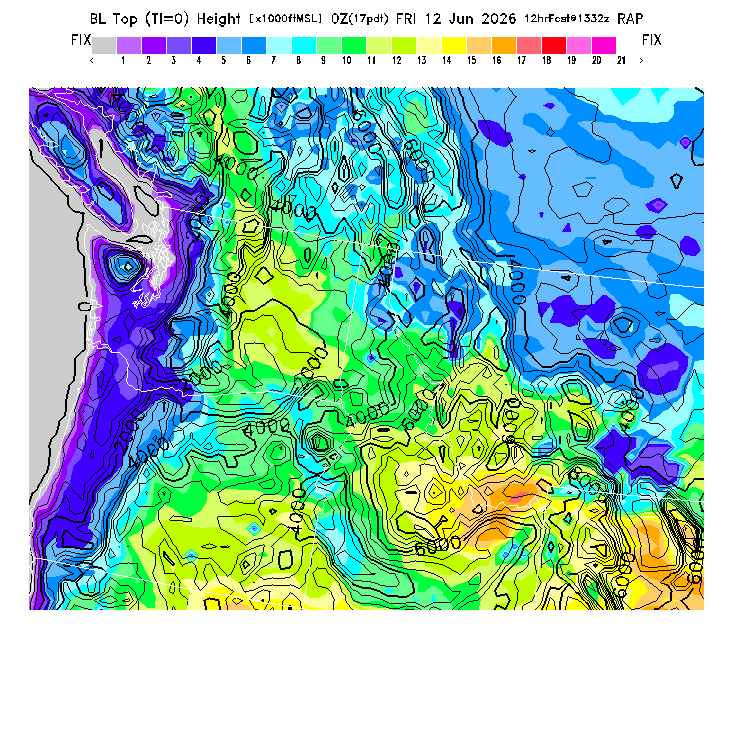
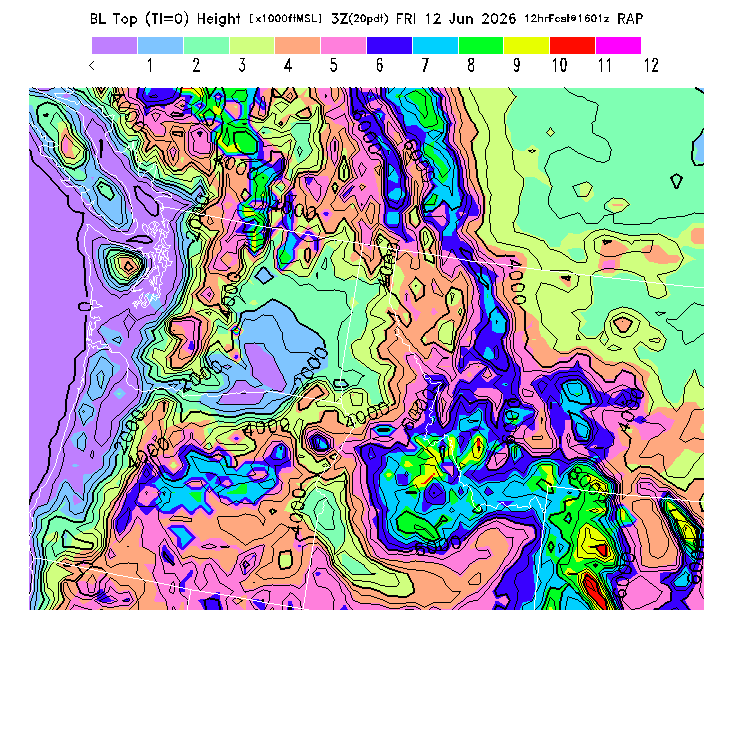
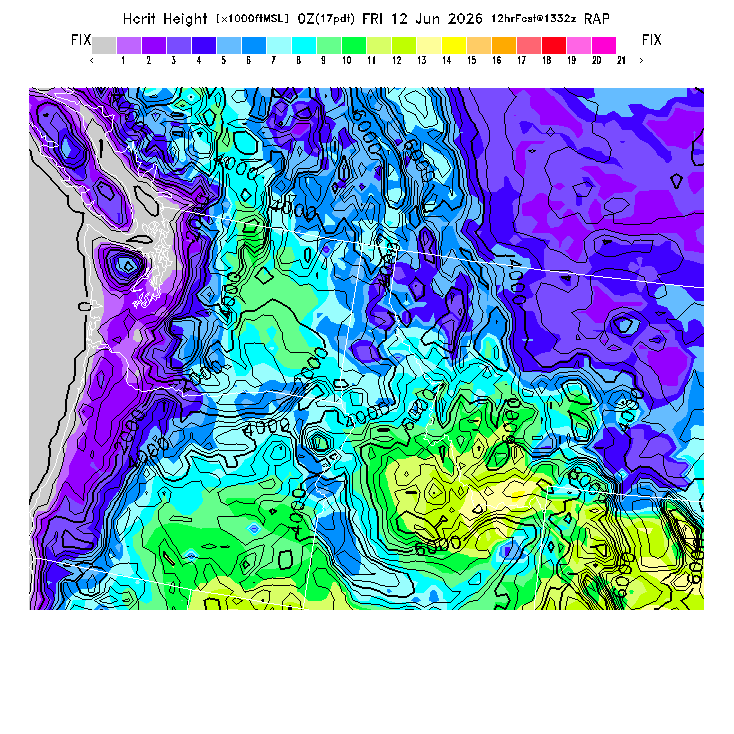
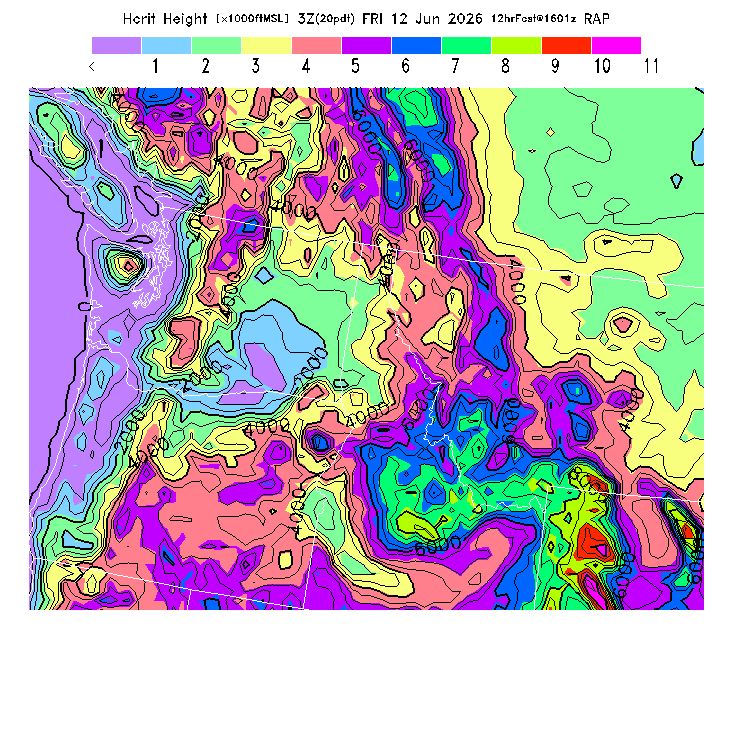
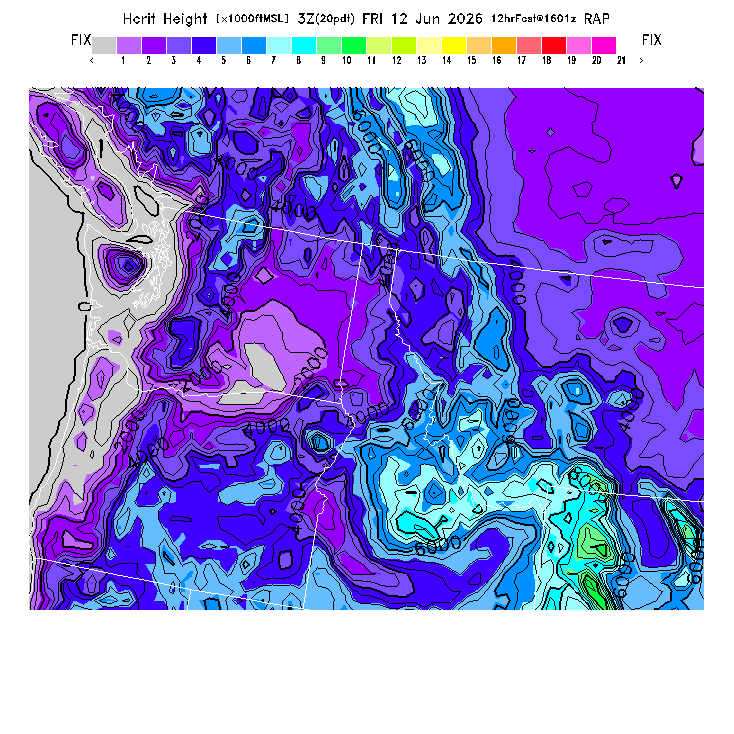
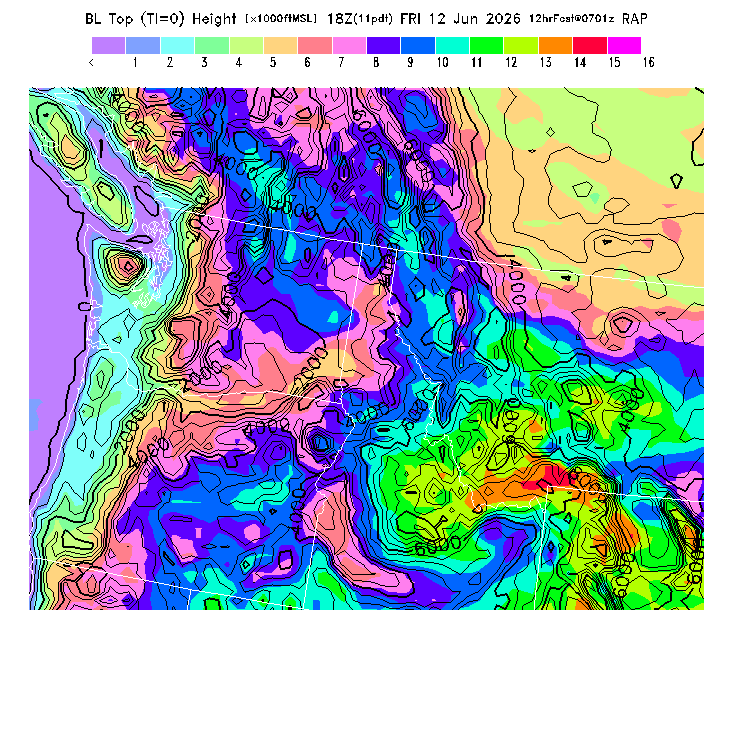
Height of the average dry thermal tops, or Thermal Index TI=0 height.  Over flat terrain maximum thermalling heights will be lower due to the glider descent rate and other factors.  However, thermal tops will be higher over small-scale topography not resolved by the model and some pilots have reported that in elevated terrain the heights they can reach over local terrain features correspond better with the TI=0 height than with Hcrit.  In the presence of clouds the thermal top will increase, but the maximum thermalling height will then be limited by the cloud base (see the "Cloud prediction parameters" section below).  [This parameter is truncated at 22,000 for plotting.]   MoreInfo

15Z: Height of Critical Updraft Strength (Hcrit)     
      "Classic" Coloring:       Latest      FirstToday      PreviousDay
      Fixed Coloring:       Latest      FirstToday      PreviousDay
18Z: Height of Critical Updraft Strength (Hcrit)     
      "Classic" Coloring:       Latest      FirstToday      PreviousDay
      Fixed Coloring:       Latest      FirstToday      PreviousDay
21Z: Height of Critical Updraft Strength (Hcrit)     
      "Classic" Coloring:       Latest      FirstToday      PreviousDay
      Fixed Coloring:       Latest      FirstToday      PreviousDay
  0Z: Height of Critical Updraft Strength (Hcrit)     
      "Classic" Coloring:       Latest      FirstToday      PreviousDay
      Fixed Coloring:       Latest      FirstToday      PreviousDay
  3Z: Height of Critical Updraft Strength (Hcrit)     
      "Classic" Coloring:       Latest      FirstToday      PreviousDay
      Fixed Coloring:       Latest      FirstToday      PreviousDay
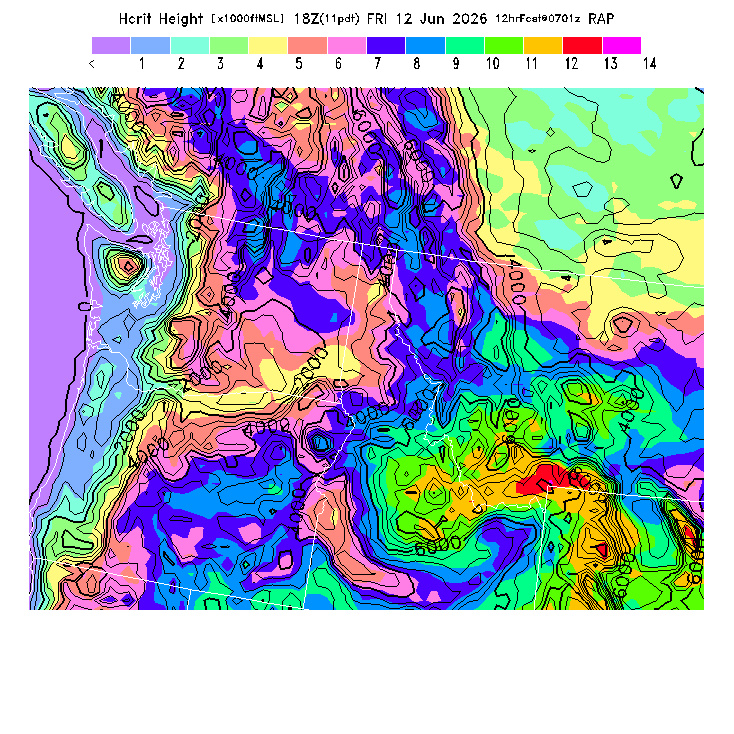
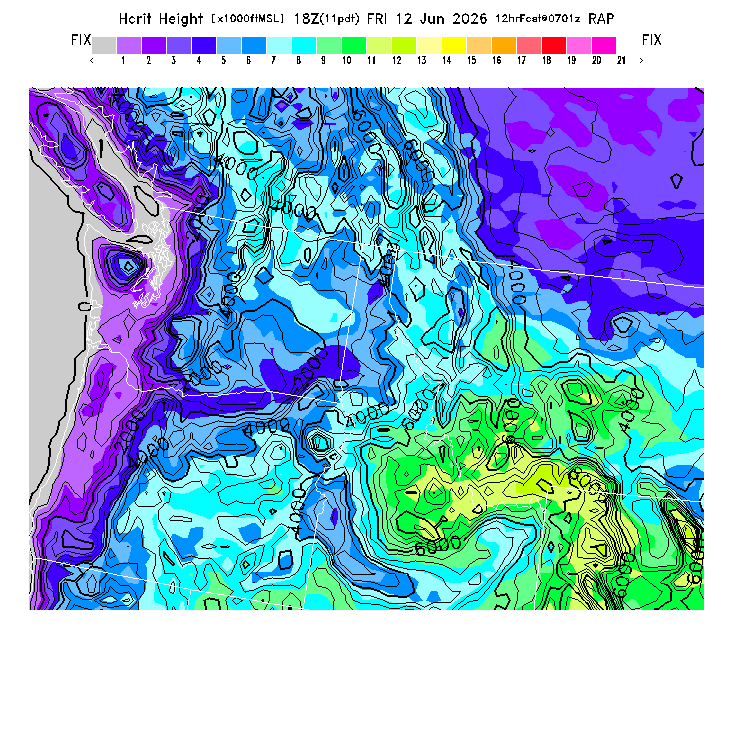
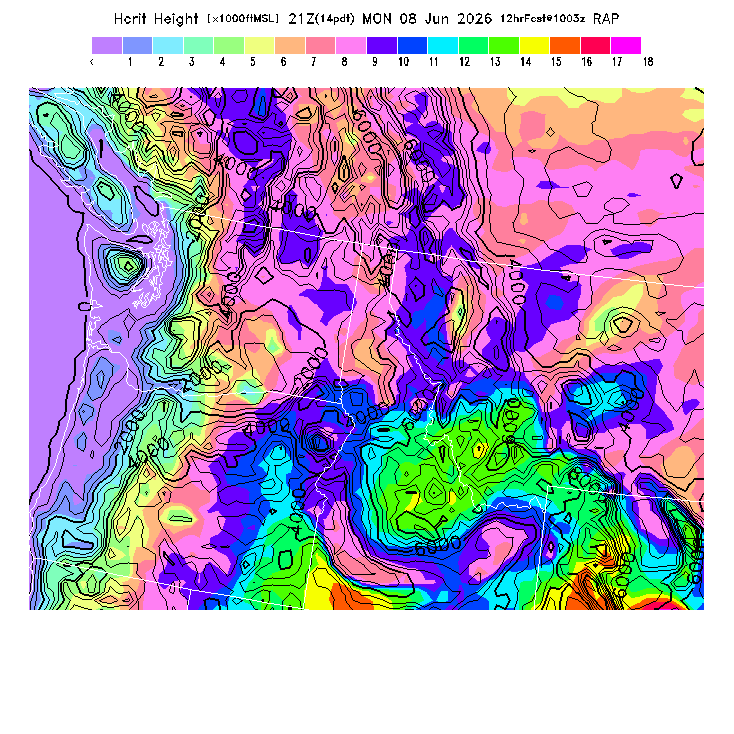
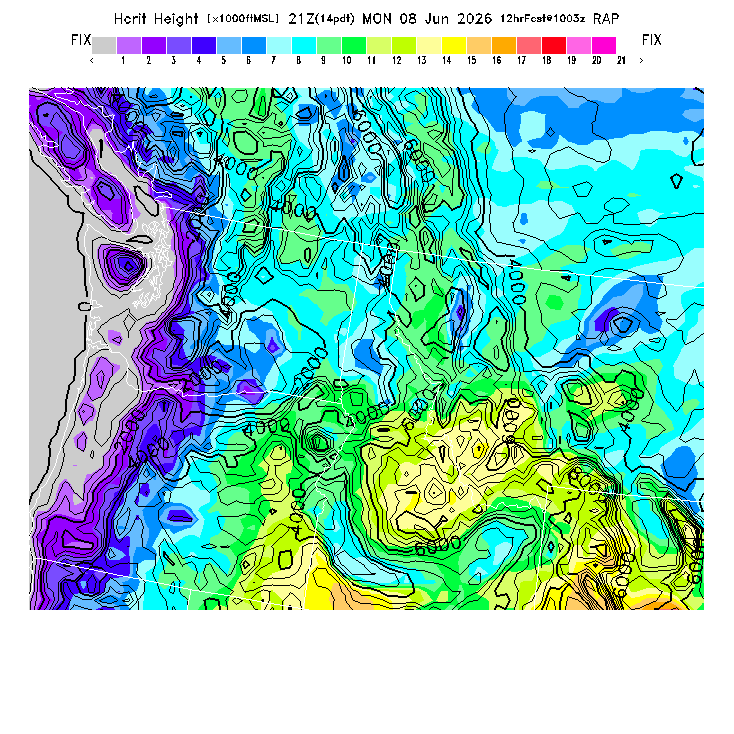
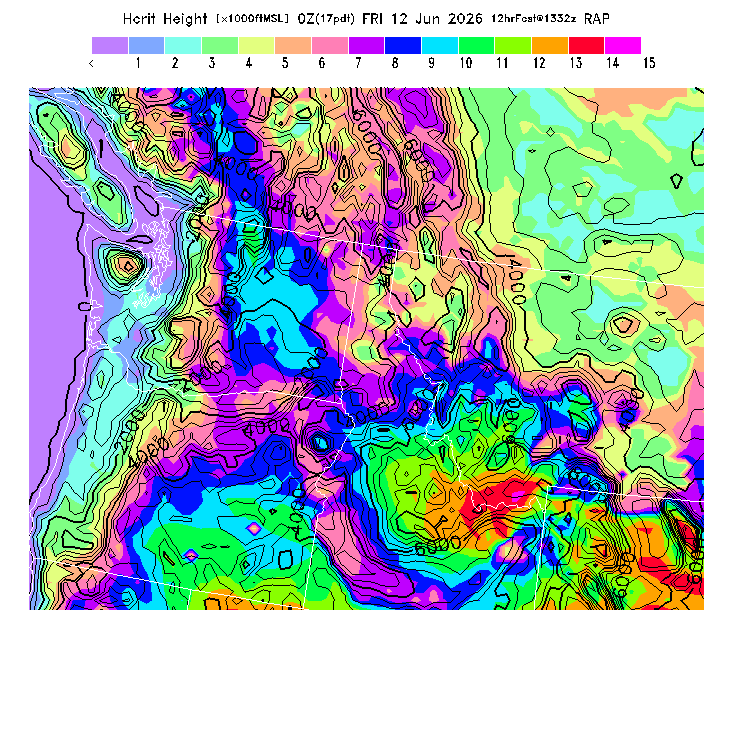
This parameter estimates the height at which the average dry updraft strength drops below 225 fpm and over flat terrain is expected to give better quantitative numbers for the maximum cloudless thermalling height than is the traditional TI=0 height given above, although the qualitative patterns should be similar for both parameters.  (Note: the present assumptions tend to underpredict the max. thermalling height.) In the presence of clouds the maximum thermalling height may instead be limited by the cloud base (see the "Cloud prediction parameters" section below).  [This parameter is truncated at 22,000 for plotting.]   MoreInfo

15Z: Thermal Height Variability     
      "Classic" Coloring:       Latest      FirstToday      PreviousDay
      Fixed Coloring:       Latest      FirstToday      PreviousDay
18Z: Thermal Height Variability     
      "Classic" Coloring:       Latest      FirstToday      PreviousDay
      Fixed Coloring:       Latest      FirstToday      PreviousDay
21Z: Thermal Height Variability     
      "Classic" Coloring:       Latest      FirstToday      PreviousDay
      Fixed Coloring:       Latest      FirstToday      PreviousDay
  0Z: Thermal Height Variability     
      "Classic" Coloring:       Latest      FirstToday      PreviousDay
      Fixed Coloring:       Latest      FirstToday      PreviousDay
  3Z: Thermal Height Variability     
      "Classic" Coloring:       Latest      FirstToday      PreviousDay
      Fixed Coloring:       Latest      FirstToday      PreviousDay
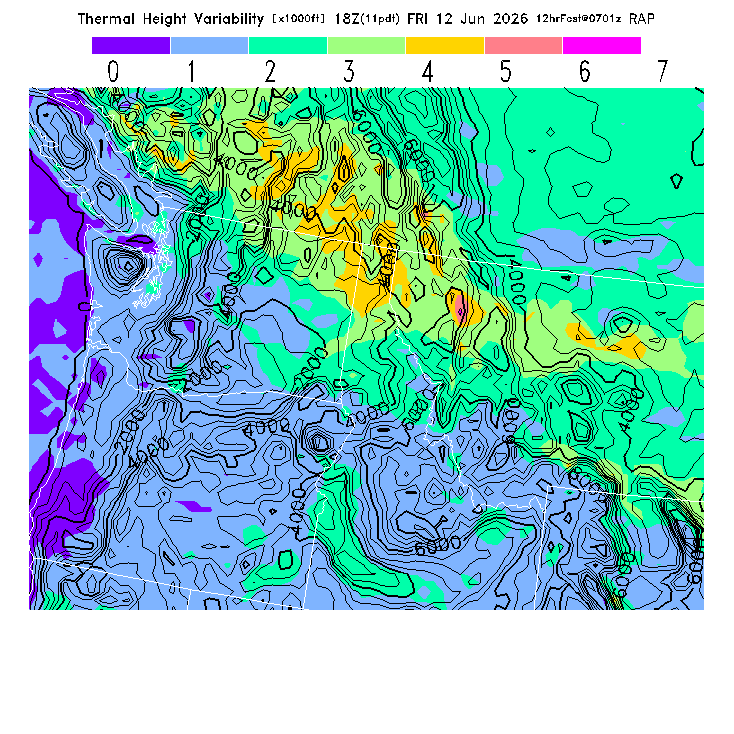
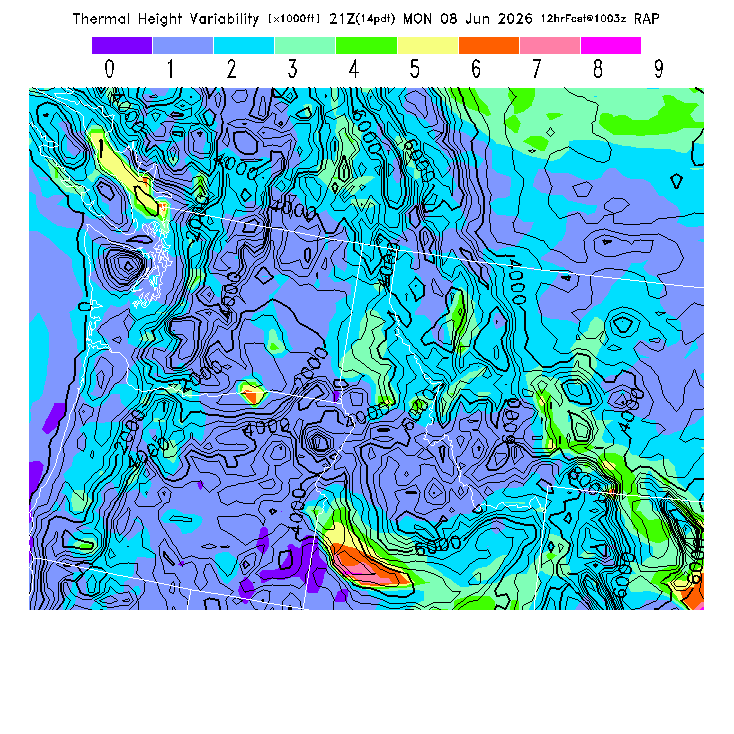
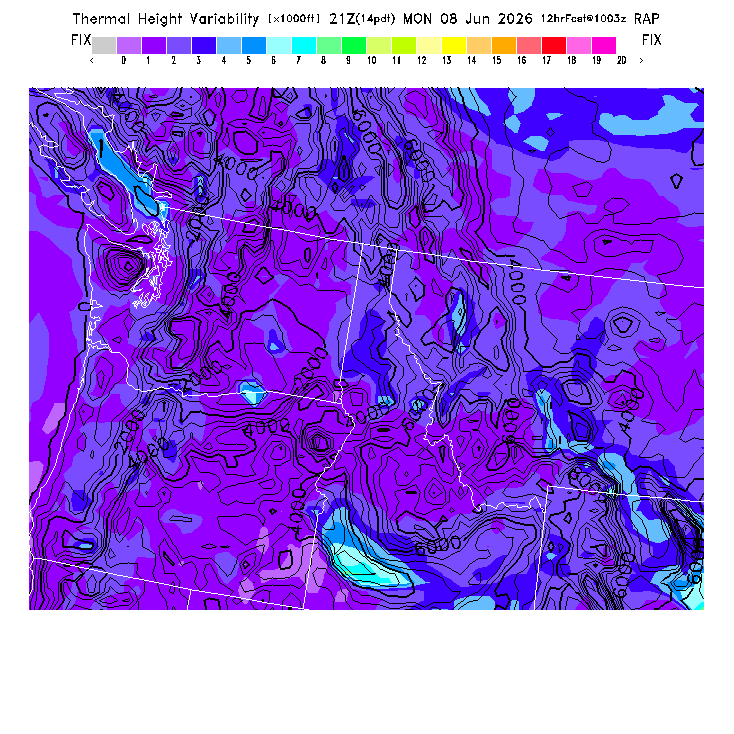
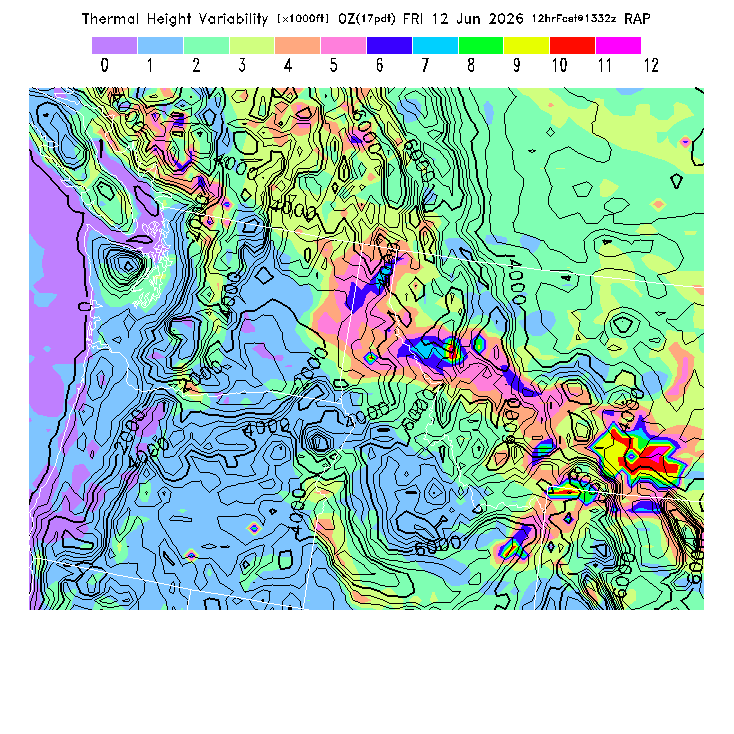
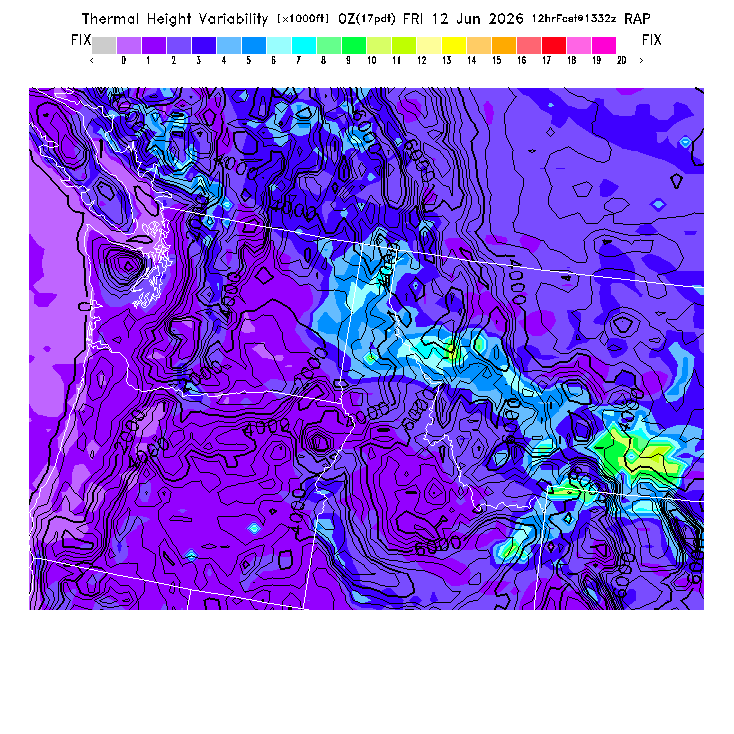
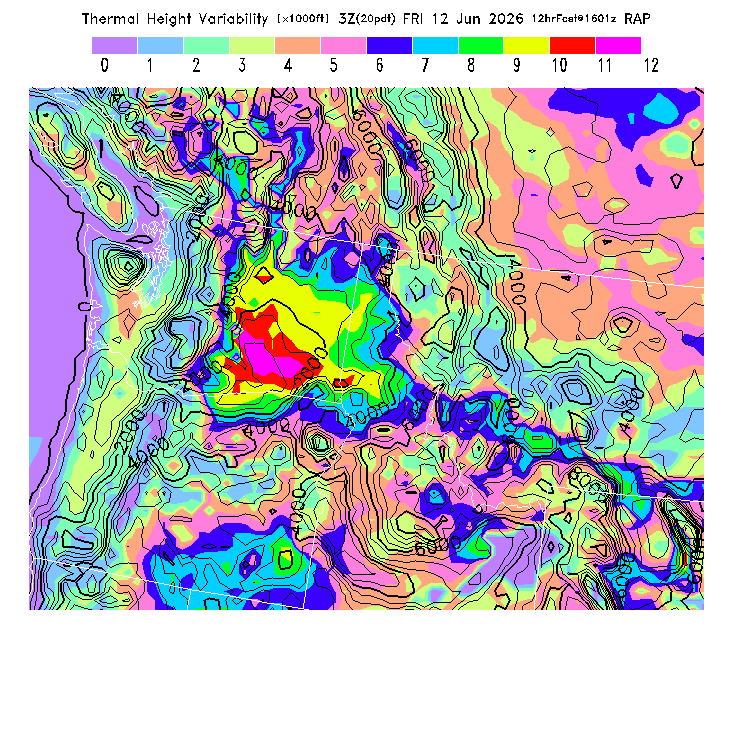
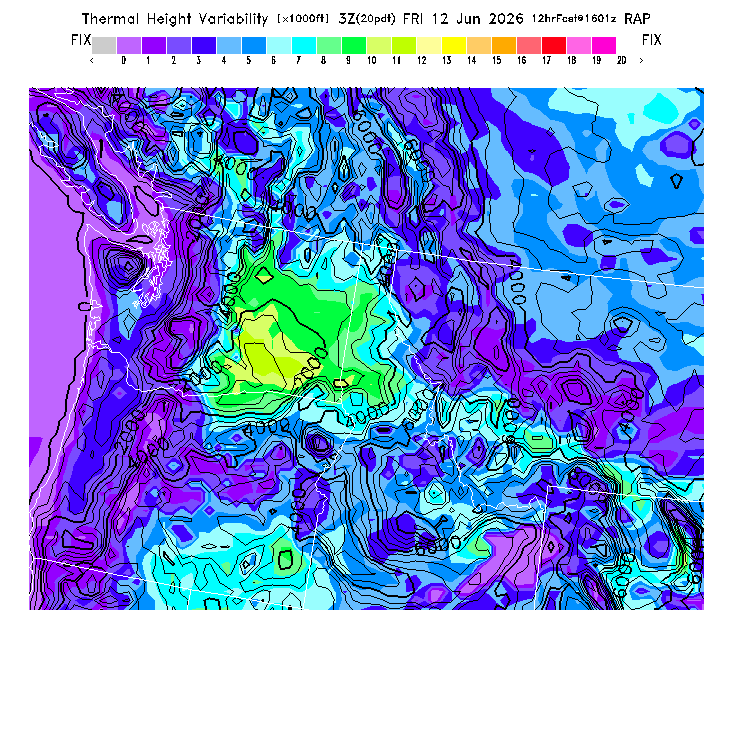
This parameter estimates the variability (uncertainty) of the BL top (TI=0) height prediction which can result from meteorological variations.  Larger values indicate greater variability and thus better thermalling over local "hot spots" or small-scale topography not resolved by the model.  But larger values also indicate greater sensitivity to error in the predicted surface temperature, so actual conditions have a greater likelihood of differing from those predicted.  MoreInfo


WIND PARAMETER FORECASTS:
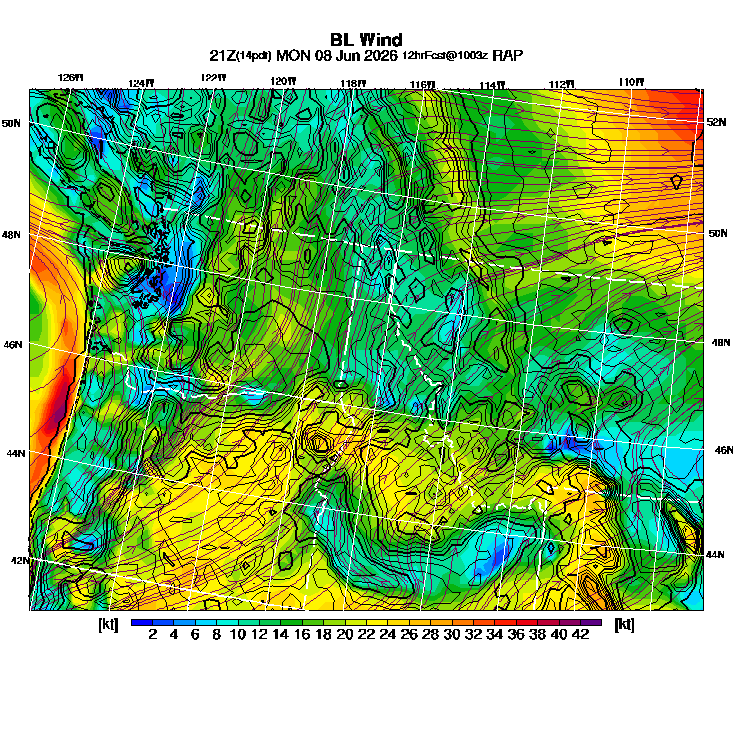
COMPOSITE: 15Z: Wind Speed and Direction in the Boundary Layer     
      "Classic" Coloring:       Latest      FirstToday      PreviousDay     
      Fixed Coloring:       Latest      FirstToday      PreviousDay     
COMPOSITE: 18Z: Wind Speed and Direction in the Boundary Layer     
      "Classic" Coloring:       Latest      FirstToday      PreviousDay     
      Fixed Coloring:       Latest      FirstToday      PreviousDay     
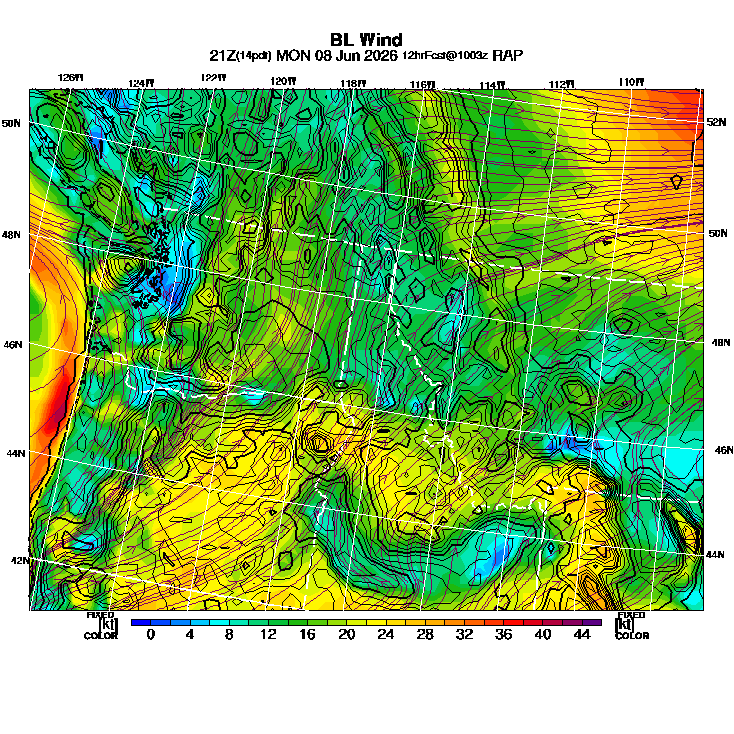
COMPOSITE: 21Z: Wind Speed and Direction in the Boundary Layer     
      "Classic" Coloring:       Latest      FirstToday      PreviousDay     
      Fixed Coloring:       Latest      FirstToday      PreviousDay     
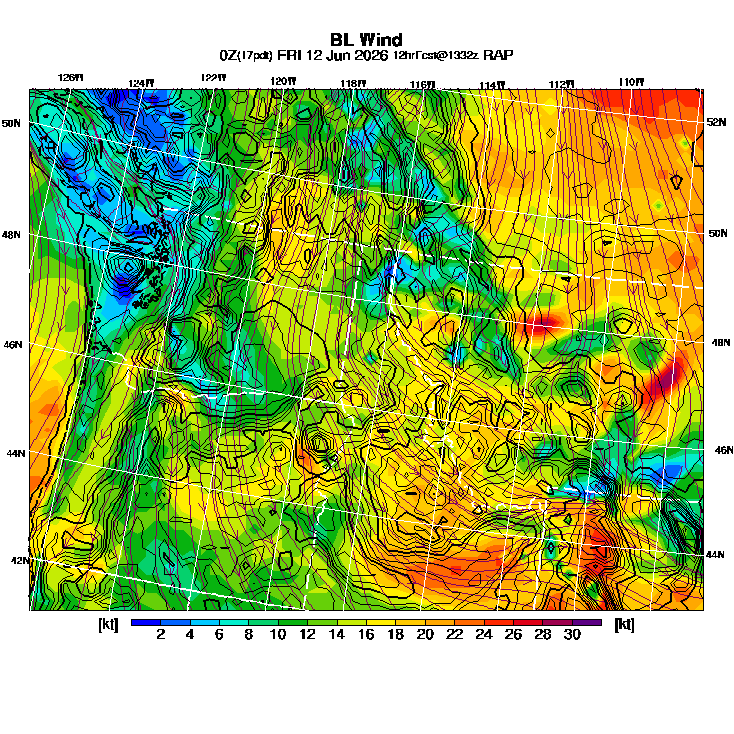
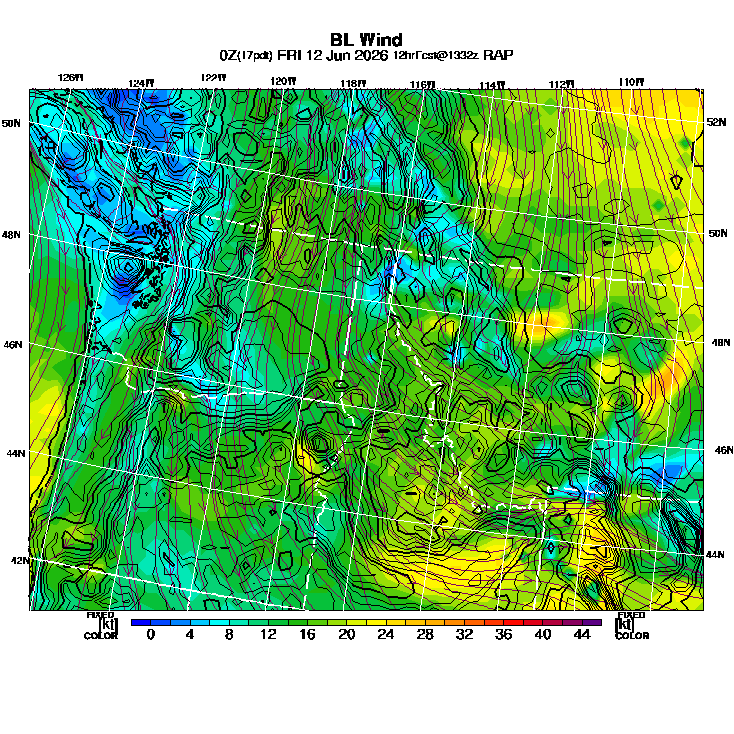
COMPOSITE:   0Z: Wind Speed and Direction in the Boundary Layer     
      "Classic" Coloring:       Latest      FirstToday      PreviousDay     
      Fixed Coloring:       Latest      FirstToday      PreviousDay     
COMPOSITE:   3Z: Wind Speed and Direction in the Boundary Layer     
      "Classic" Coloring:       Latest      FirstToday      PreviousDay     
      Fixed Coloring:       Latest      FirstToday      PreviousDay     
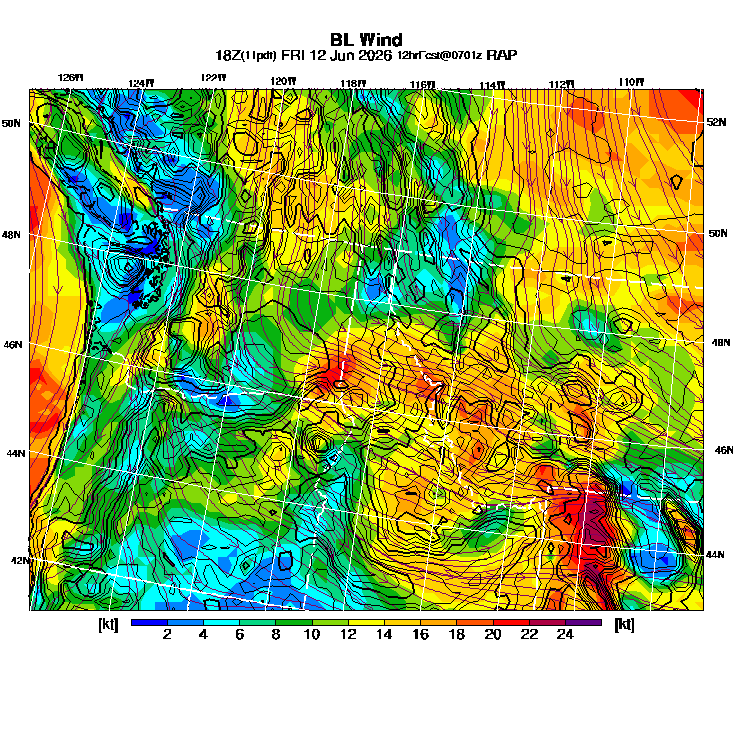
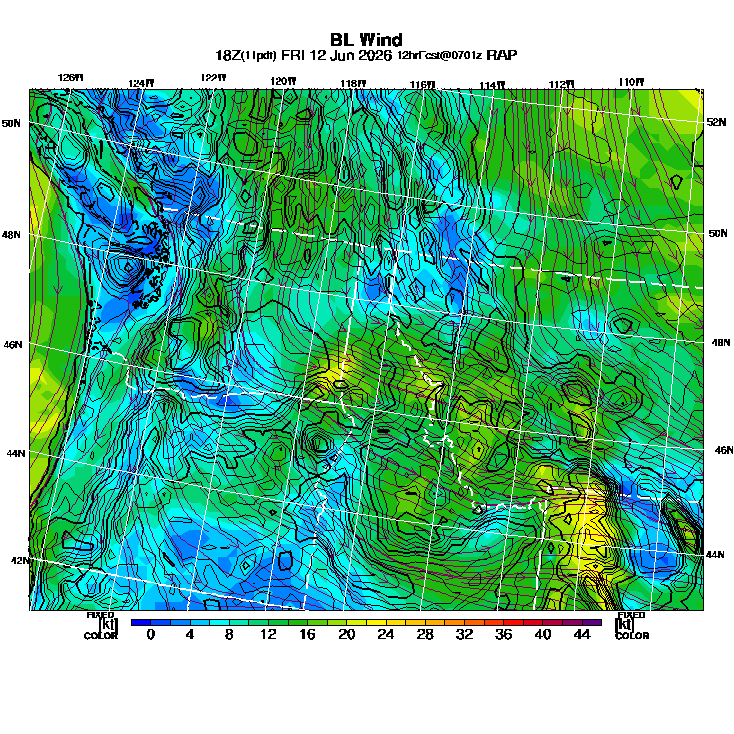
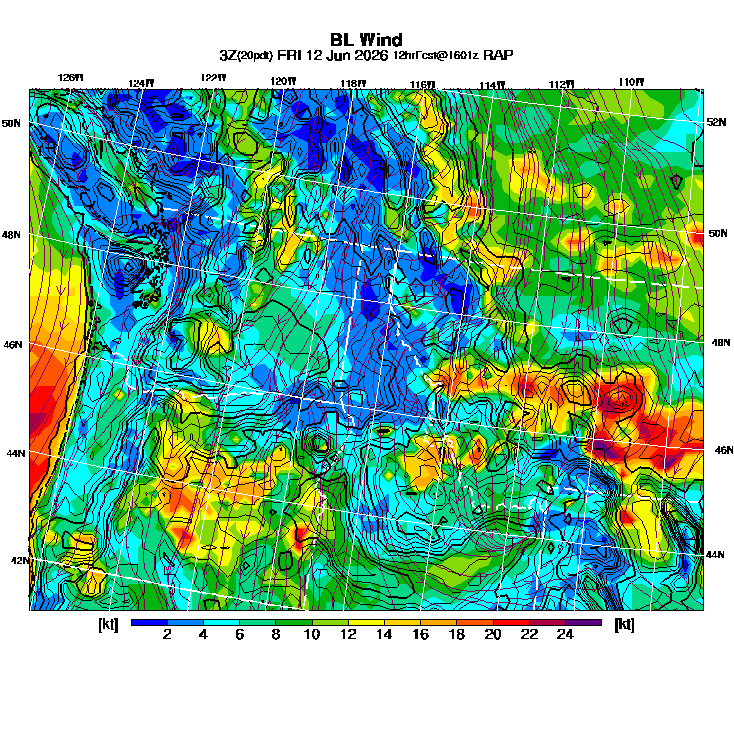
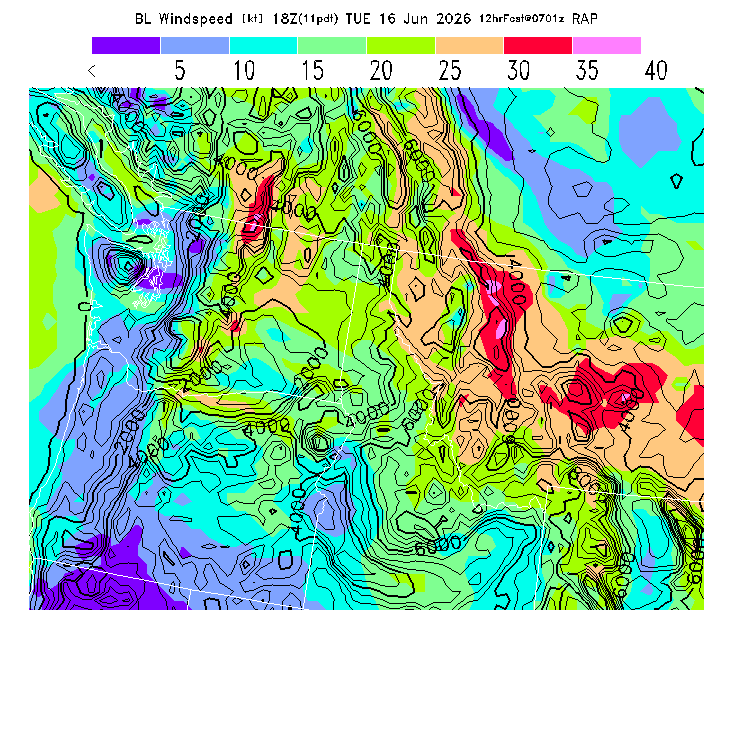
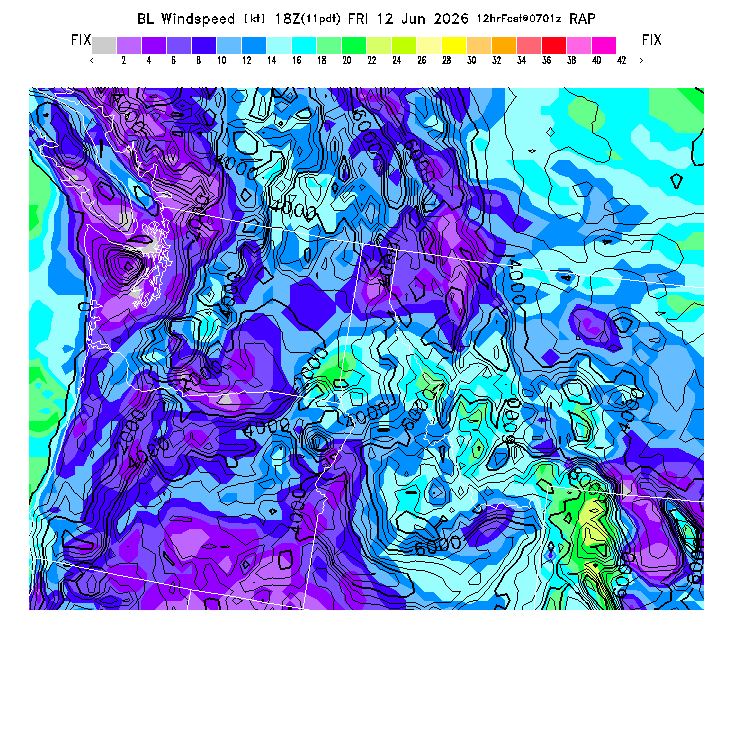
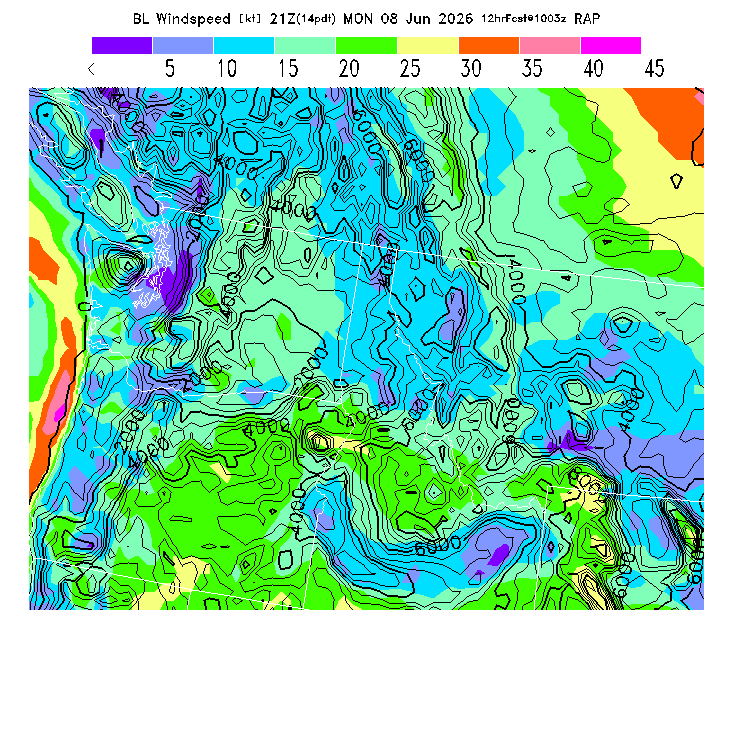
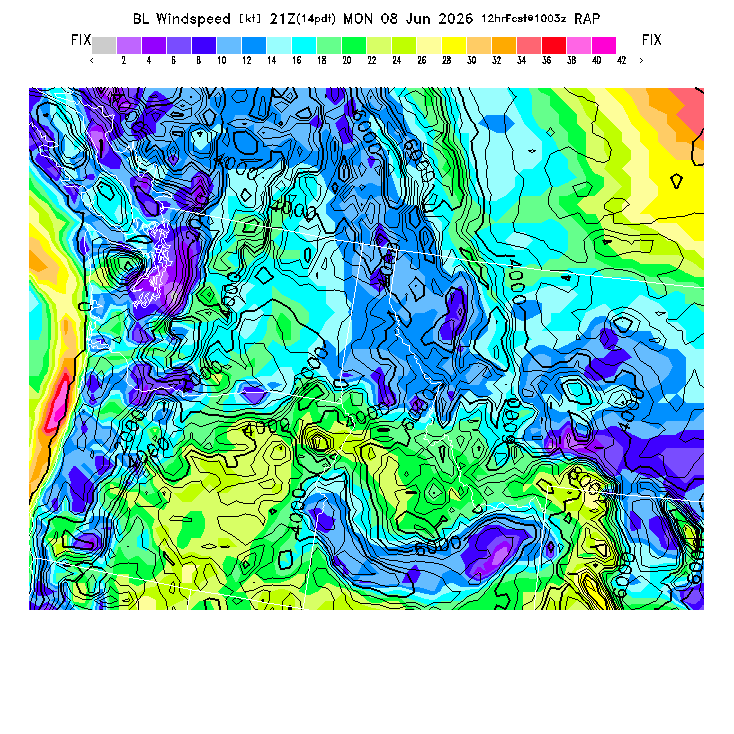
BL Wind Direction streamlines overlay BL Wind Speed contours,  See "Wind Speed in the Boundary Layer" and "Wind Direction in the Boundary Layer" parameter descriptions below for more information. 

15Z: Wind Speed in the Boundary Layer     
      "Classic" Coloring:       Latest      FirstToday      PreviousDay
      Fixed Coloring:       Latest      FirstToday      PreviousDay
18Z: Wind Speed in the Boundary Layer     
      "Classic" Coloring:       Latest      FirstToday      PreviousDay
      Fixed Coloring:       Latest      FirstToday      PreviousDay
21Z: Wind Speed in the Boundary Layer     
      "Classic" Coloring:       Latest      FirstToday      PreviousDay
      Fixed Coloring:       Latest      FirstToday      PreviousDay
  0Z: Wind Speed in the Boundary Layer     
      "Classic" Coloring:       Latest      FirstToday      PreviousDay
      Fixed Coloring:       Latest      FirstToday      PreviousDay
  3Z: Wind Speed in the Boundary Layer     
      "Classic" Coloring:       Latest      FirstToday      PreviousDay
      Fixed Coloring:       Latest      FirstToday      PreviousDay
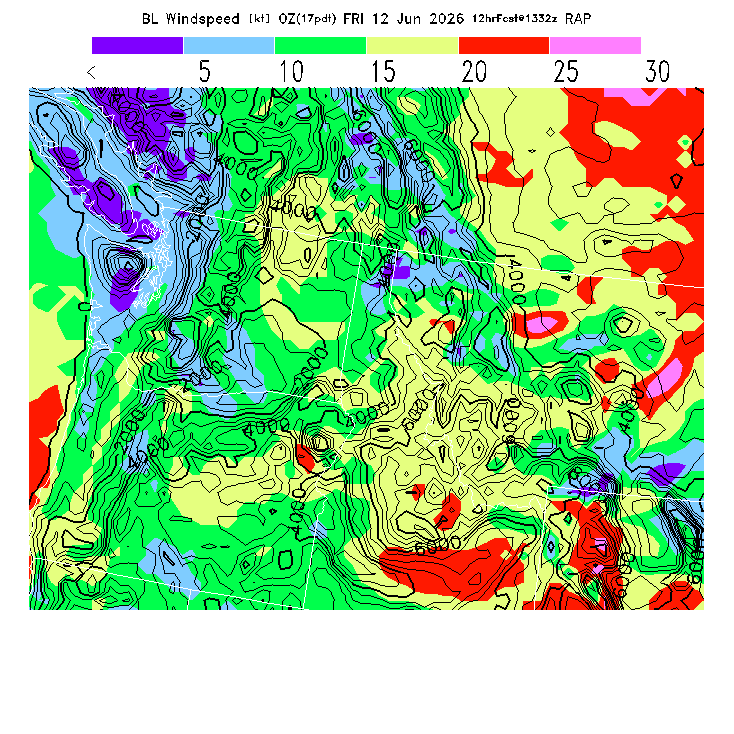
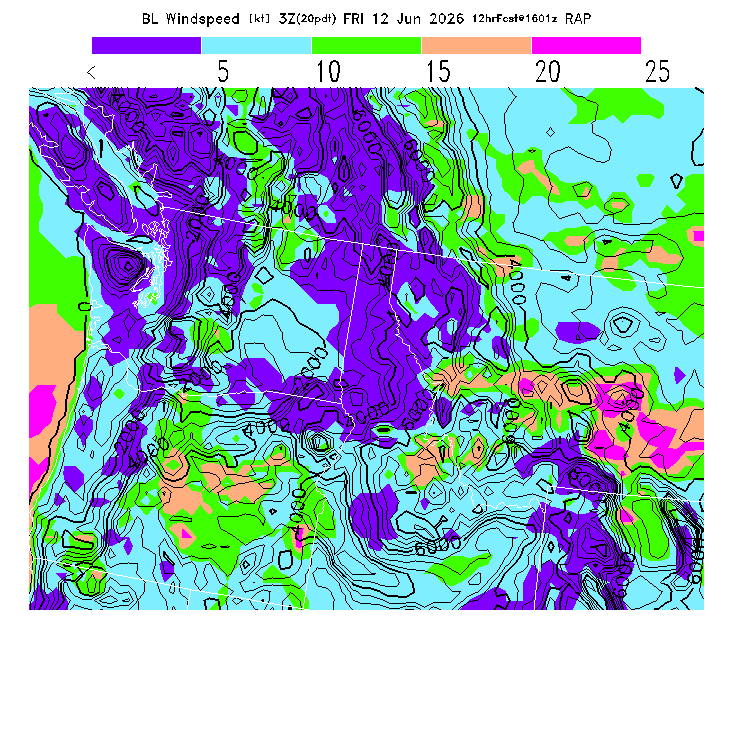
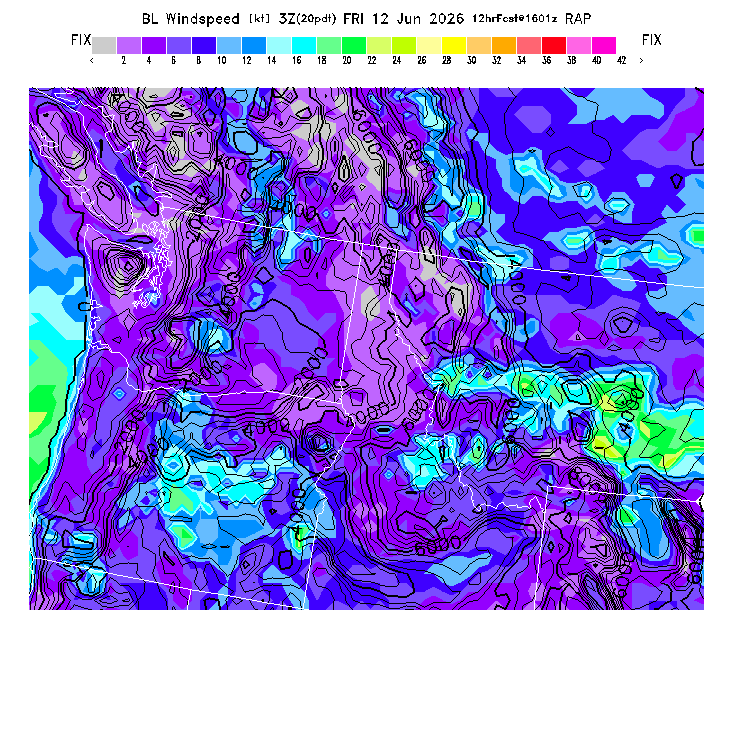
The speed of the vector-averaged wind in the BL.  This prediction can be misleading if there is a large change in wind direction through the BL (for a complex wind profile, any single number is not an adequate descriptor!).  MoreInfo

15Z: Wind Direction in the Boundary Layer     
      "Classic" Coloring:       Latest      FirstToday      PreviousDay
      Fixed Coloring:       Latest      FirstToday      PreviousDay
18Z: Wind Direction in the Boundary Layer     
      "Classic" Coloring:       Latest      FirstToday      PreviousDay
      Fixed Coloring:       Latest      FirstToday      PreviousDay
21Z: Wind Direction in the Boundary Layer     
      "Classic" Coloring:       Latest      FirstToday      PreviousDay
      Fixed Coloring:       Latest      FirstToday      PreviousDay
  0Z: Wind Direction in the Boundary Layer     
      "Classic" Coloring:       Latest      FirstToday      PreviousDay
      Fixed Coloring:       Latest      FirstToday      PreviousDay
  3Z: Wind Direction in the Boundary Layer     
      "Classic" Coloring:       Latest      FirstToday      PreviousDay
      Fixed Coloring:       Latest      FirstToday      PreviousDay
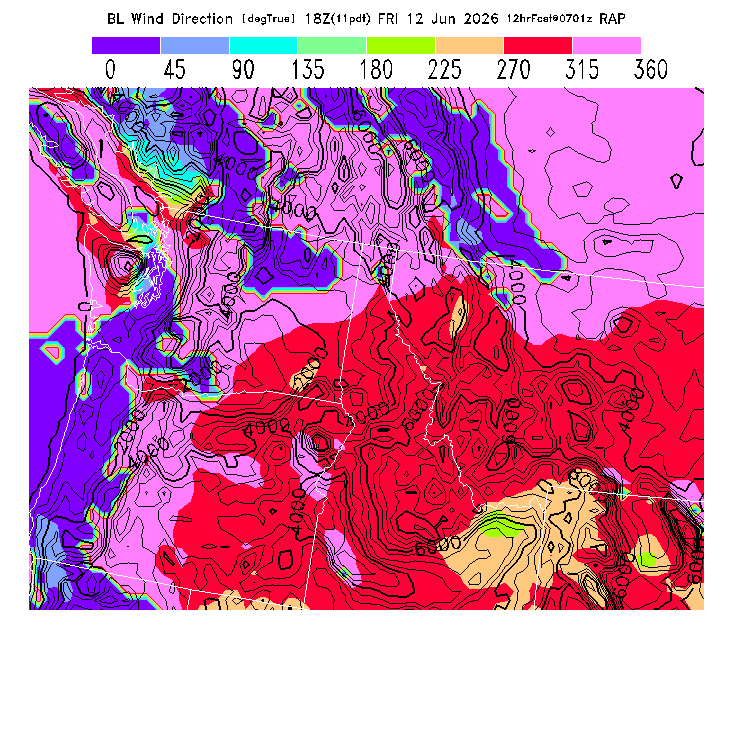
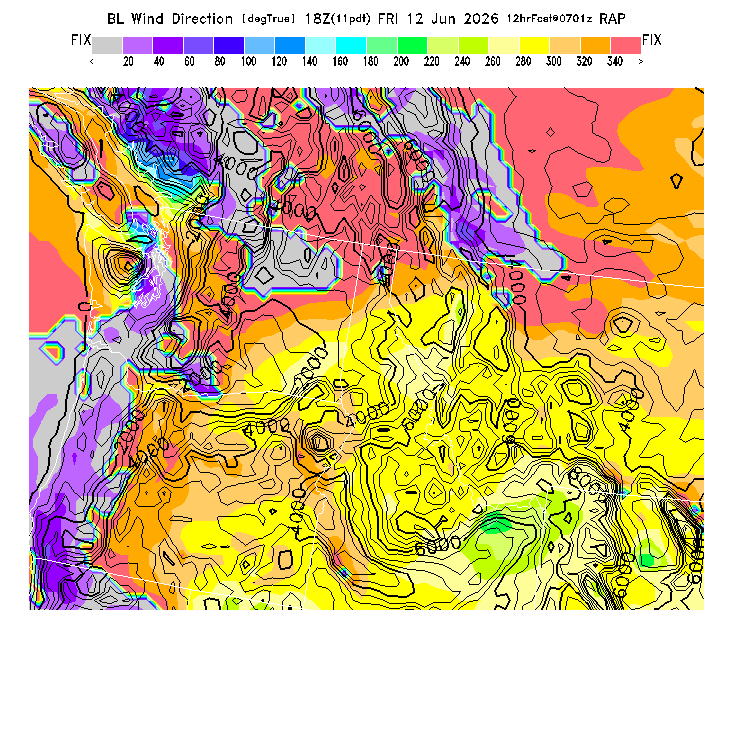
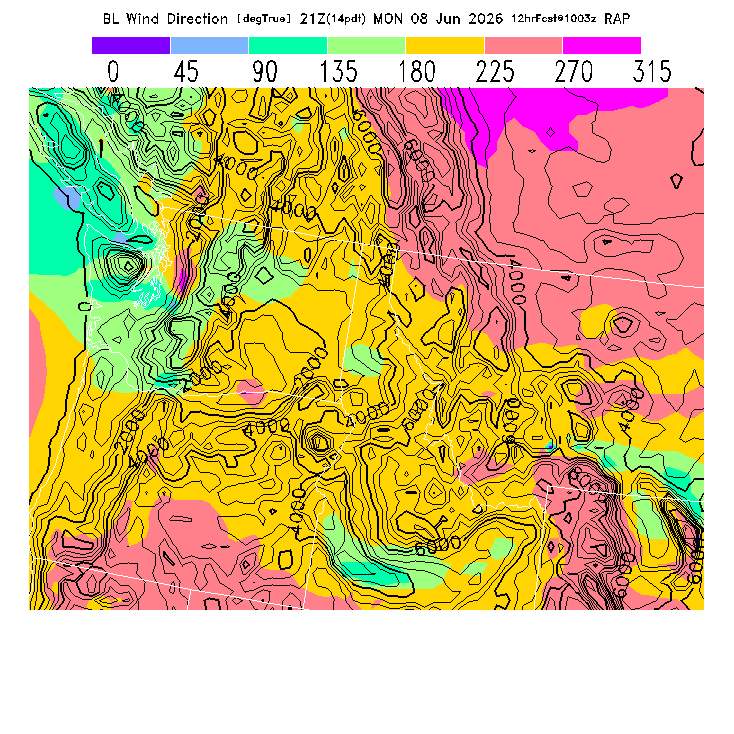
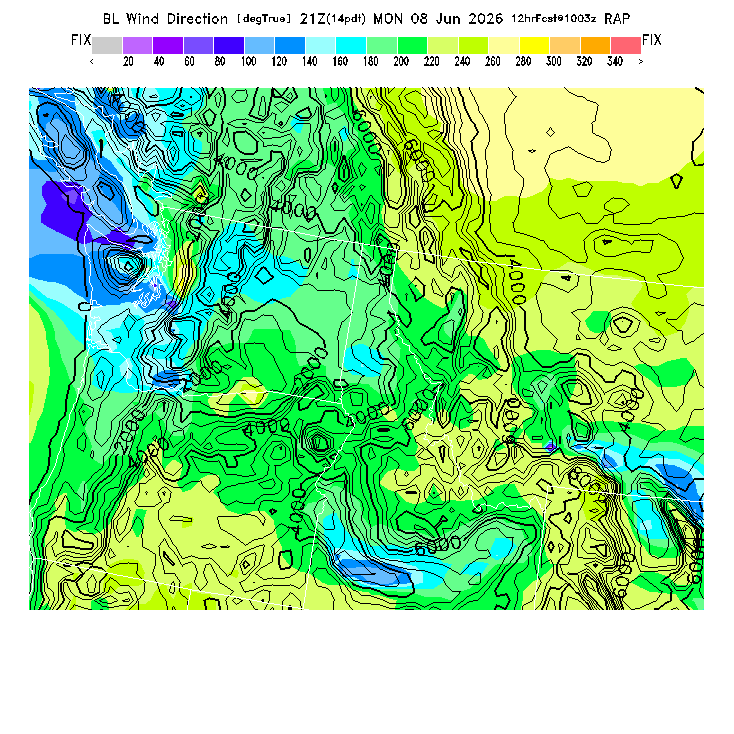
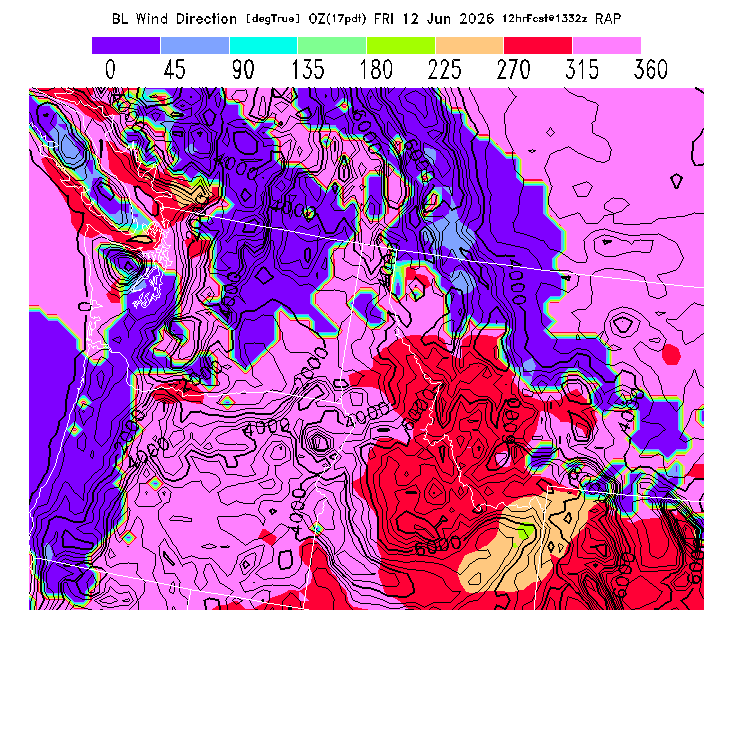
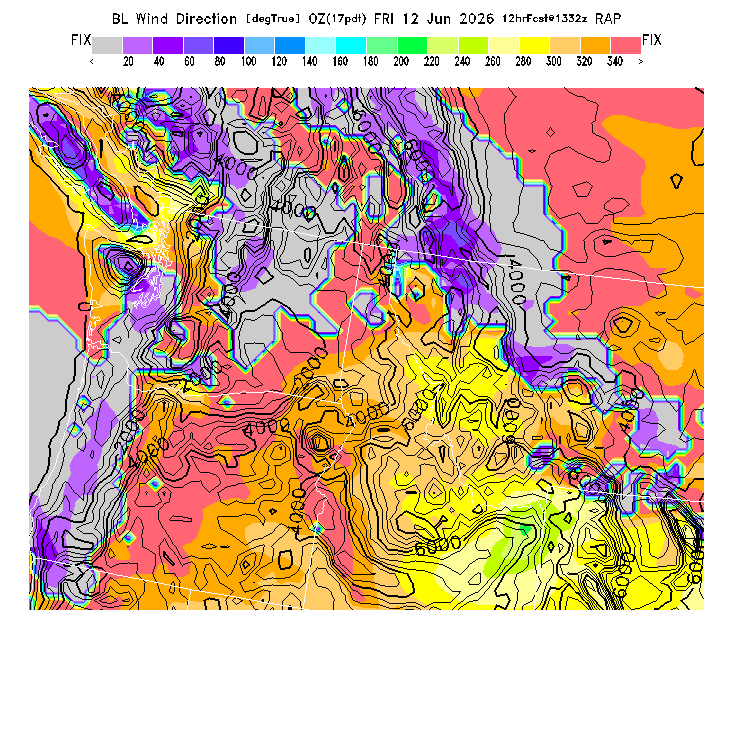
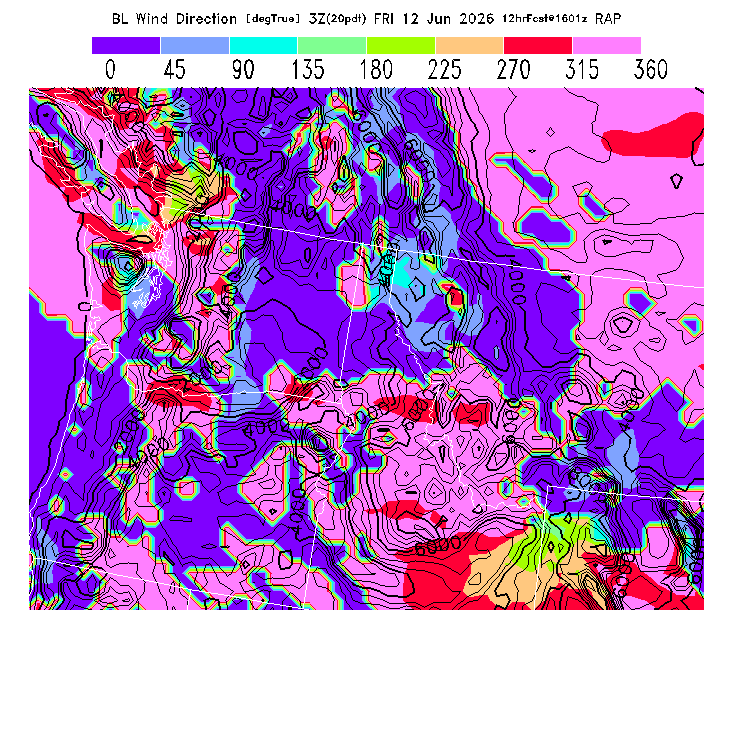
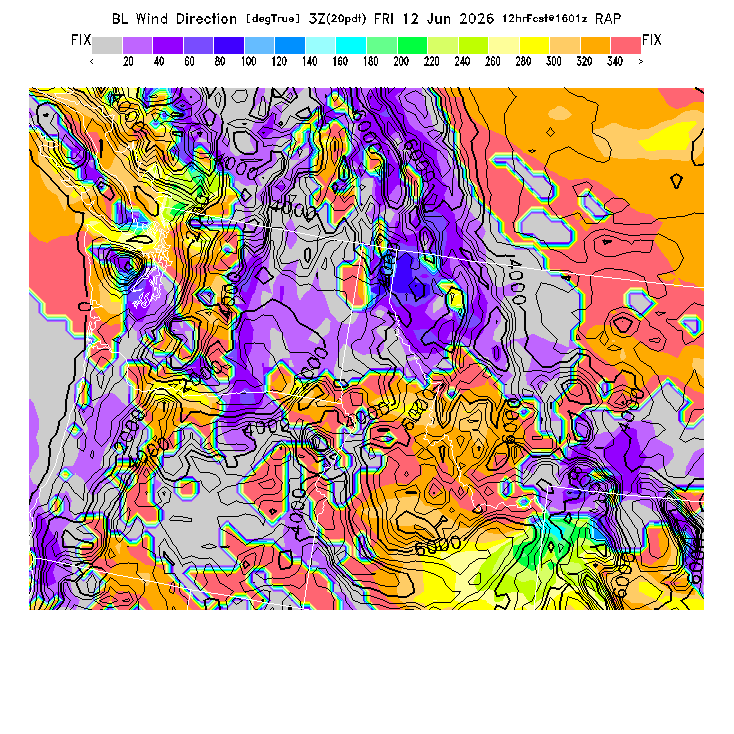
The direction of the vector-averaged wind in the BL.  This prediction can be misleading if there is a large change in wind direction through the BL (for a complex wind profile, any single number is not an adequate descriptor!).  Note that there will be a abrupt artificial gradient at the "cross-over" between 0 and 360 degrees.  MoreInfo

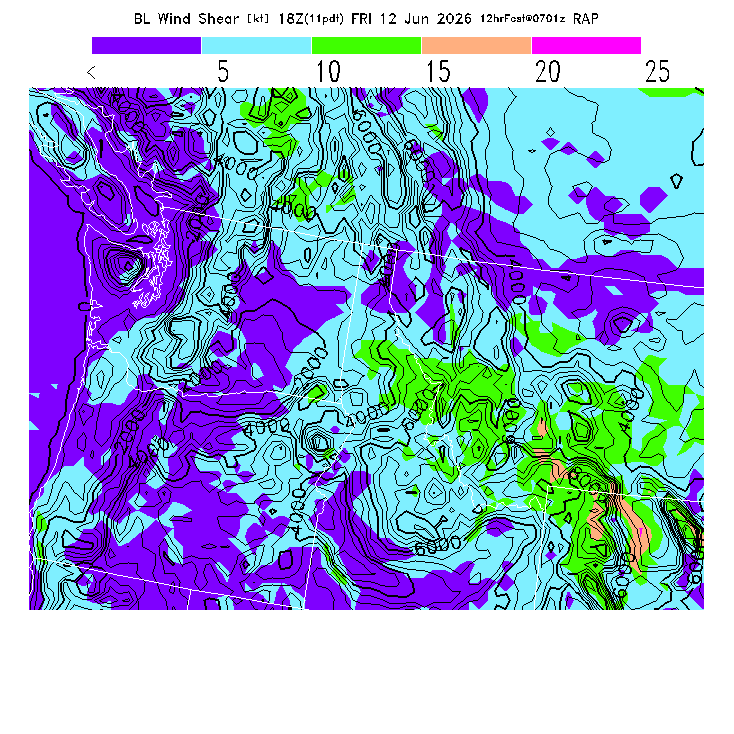
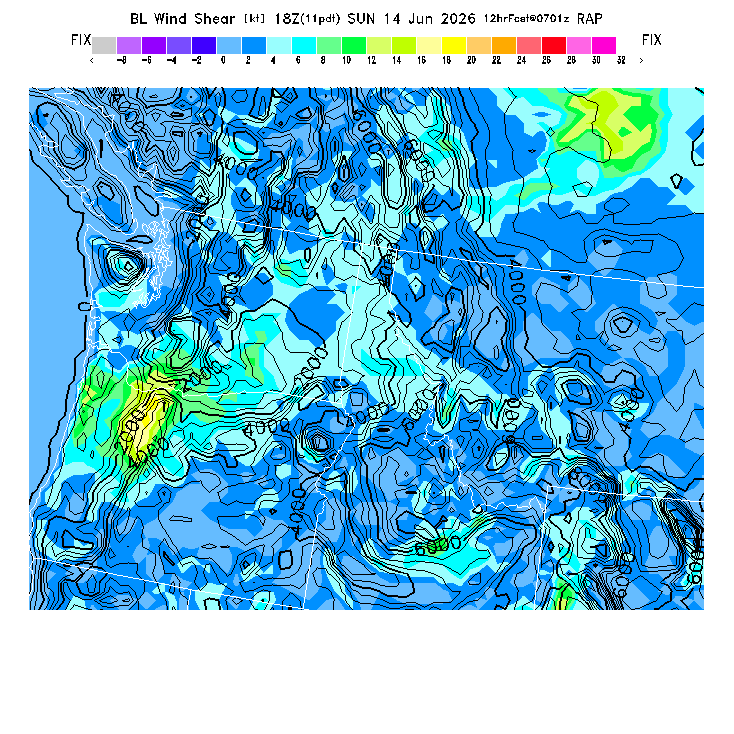
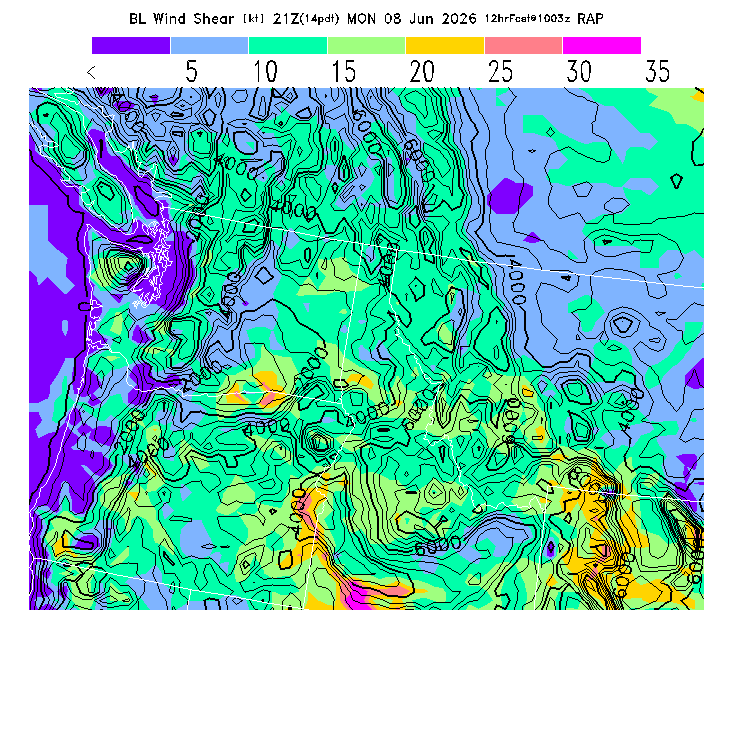
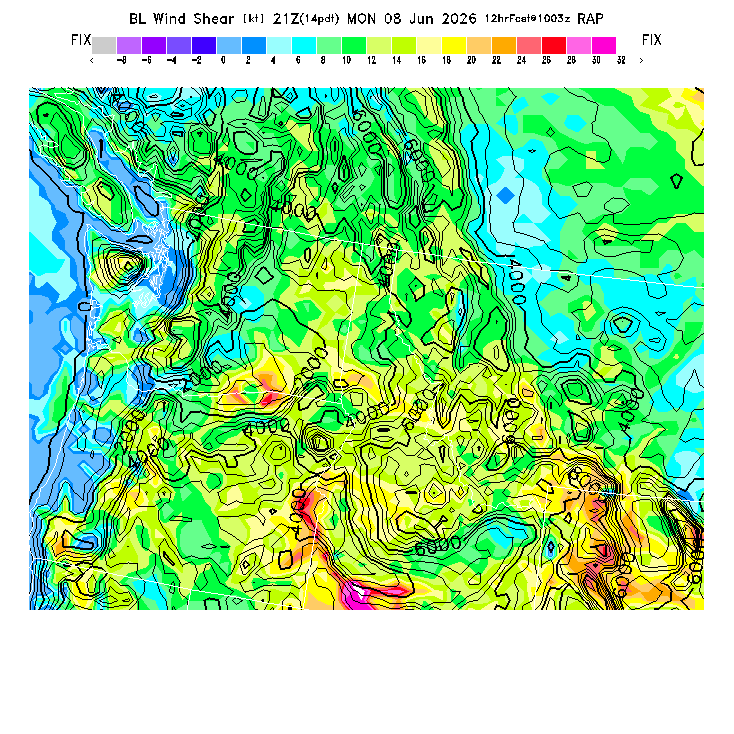
15Z: Wind Shear in the Boundary Layer     
      "Classic" Coloring:       Latest      FirstToday      PreviousDay
      Fixed Coloring:       Latest      FirstToday      PreviousDay
18Z: Wind Shear in the Boundary Layer     
      "Classic" Coloring:       Latest      FirstToday      PreviousDay
      Fixed Coloring:       Latest      FirstToday      PreviousDay
21Z: Wind Shear in the Boundary Layer     
      "Classic" Coloring:       Latest      FirstToday      PreviousDay
      Fixed Coloring:       Latest      FirstToday      PreviousDay
  0Z: Wind Shear in the Boundary Layer     
      "Classic" Coloring:       Latest      FirstToday      PreviousDay
      Fixed Coloring:       Latest      FirstToday      PreviousDay
  3Z: Wind Shear in the Boundary Layer     
      "Classic" Coloring:       Latest      FirstToday      PreviousDay
      Fixed Coloring:       Latest      FirstToday      PreviousDay
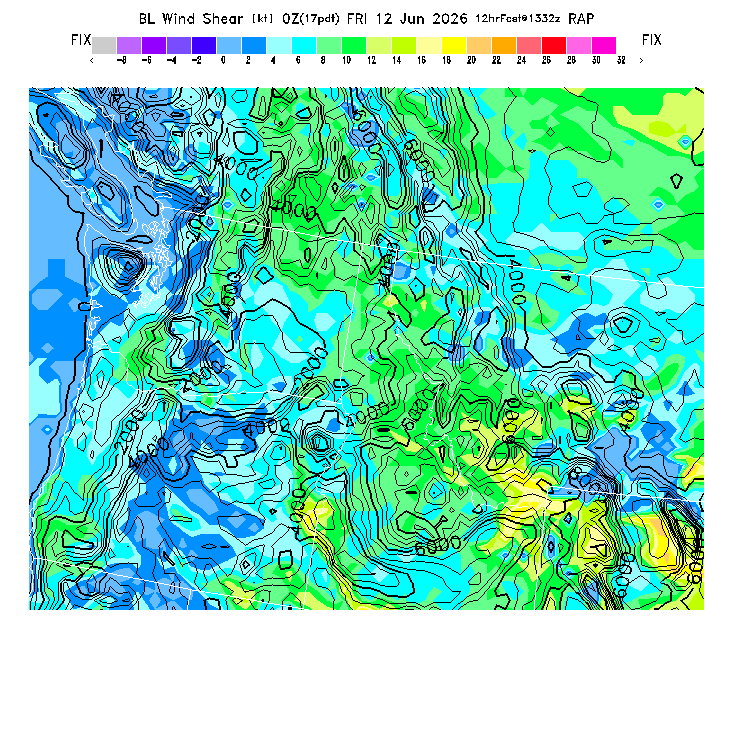
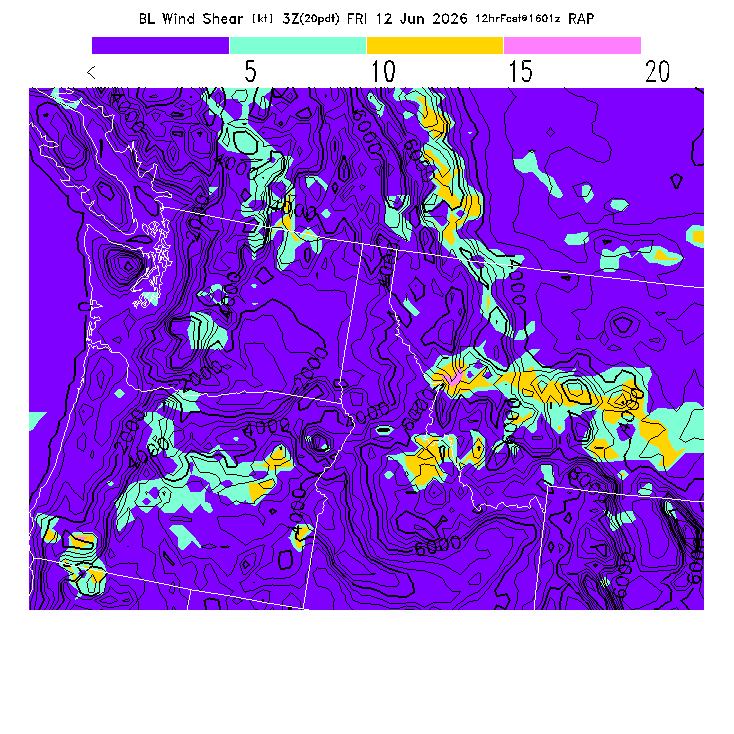
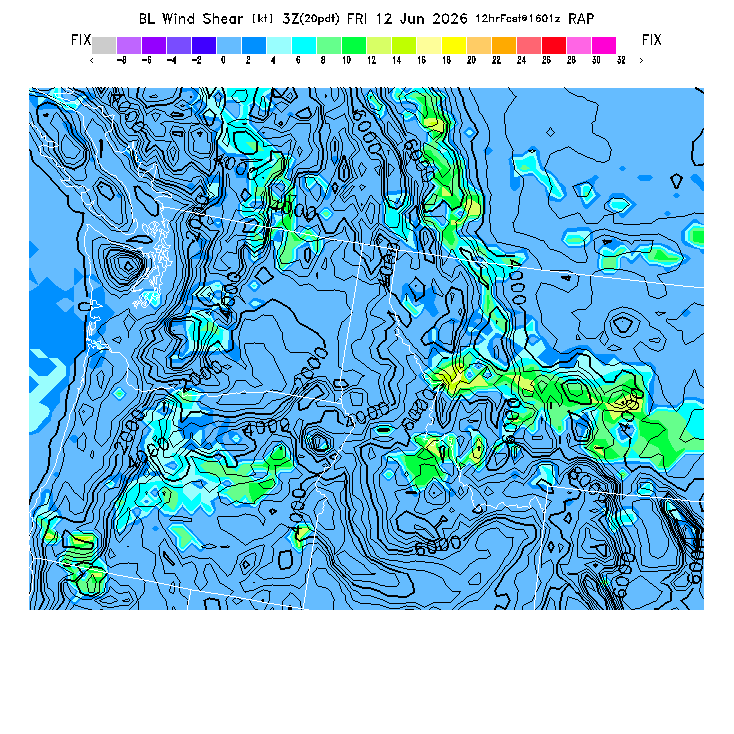
The magnitude of the vector wind difference between the top and bottom of the BL.  Note that this represents vertical wind shear and does not indicate "shear lines" (which are horizontal changes of wind speed/direction).  MoreInfo

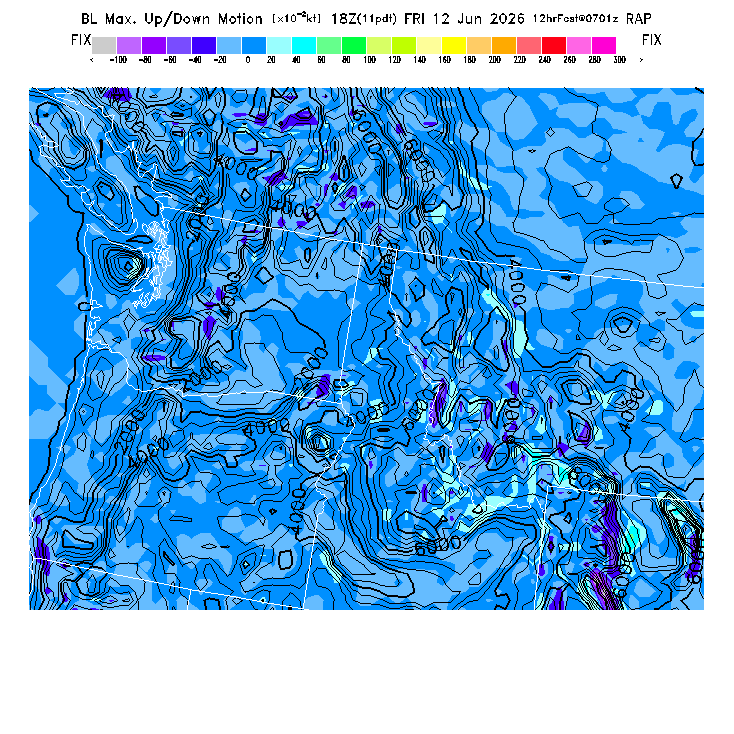
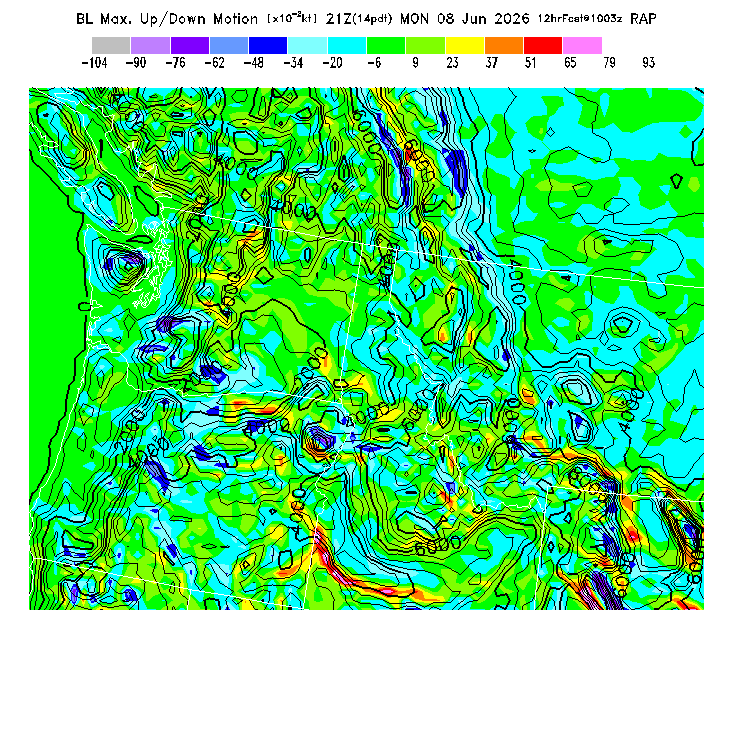
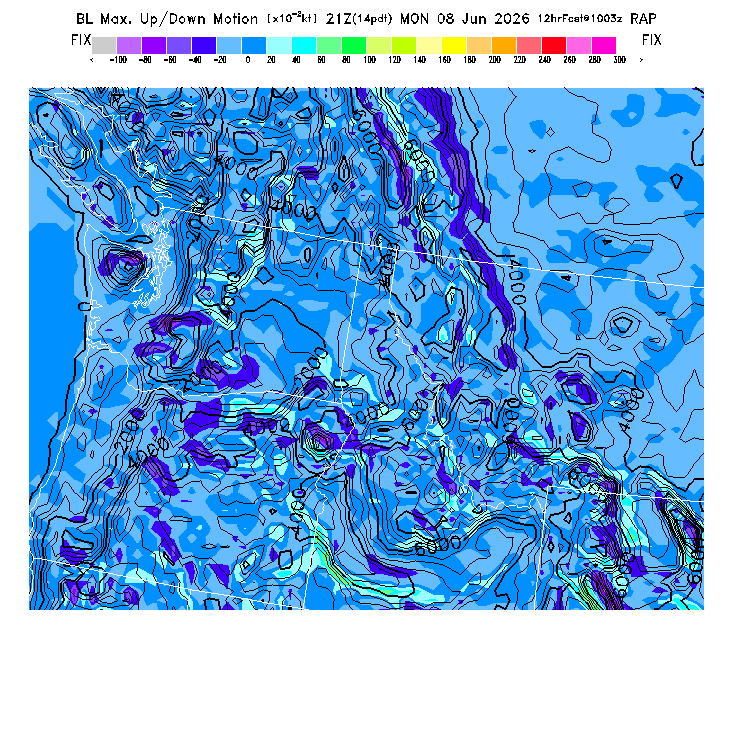
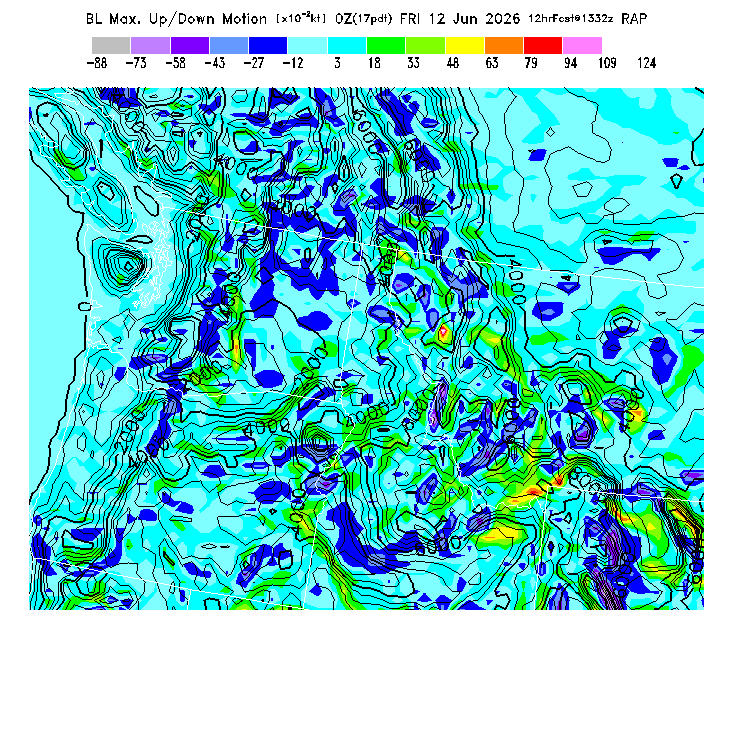
15Z: BL Max. Up/Down Motion (BL Convergence)     
      "Classic" Coloring:       Latest      FirstToday      PreviousDay
      Fixed Coloring:       Latest      FirstToday      PreviousDay
18Z: BL Max. Up/Down Motion (BL Convergence)     
      "Classic" Coloring:       Latest      FirstToday      PreviousDay
      Fixed Coloring:       Latest      FirstToday      PreviousDay
21Z: BL Max. Up/Down Motion (BL Convergence)     
      "Classic" Coloring:       Latest      FirstToday      PreviousDay
      Fixed Coloring:       Latest      FirstToday      PreviousDay
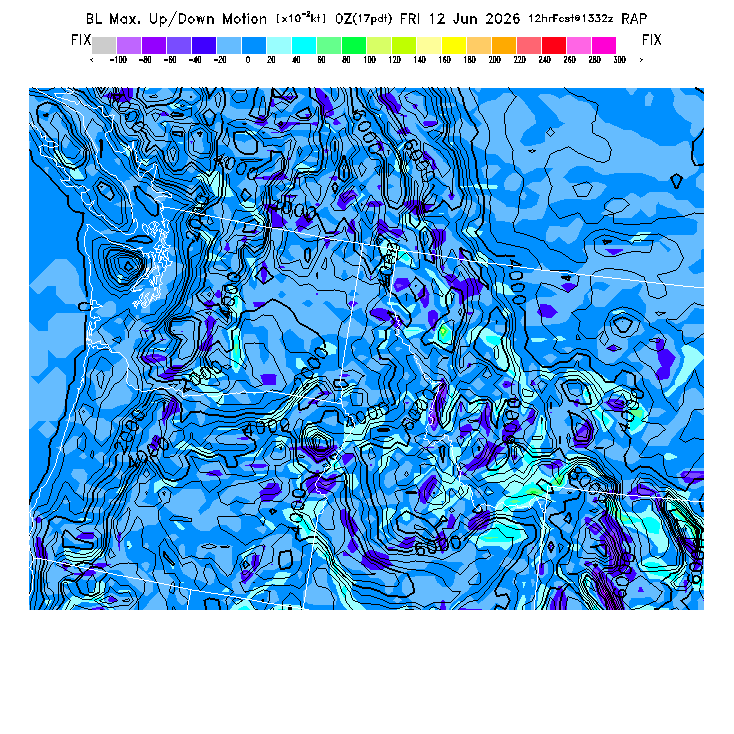
  0Z: BL Max. Up/Down Motion (BL Convergence)     
      "Classic" Coloring:       Latest      FirstToday      PreviousDay
      Fixed Coloring:       Latest      FirstToday      PreviousDay
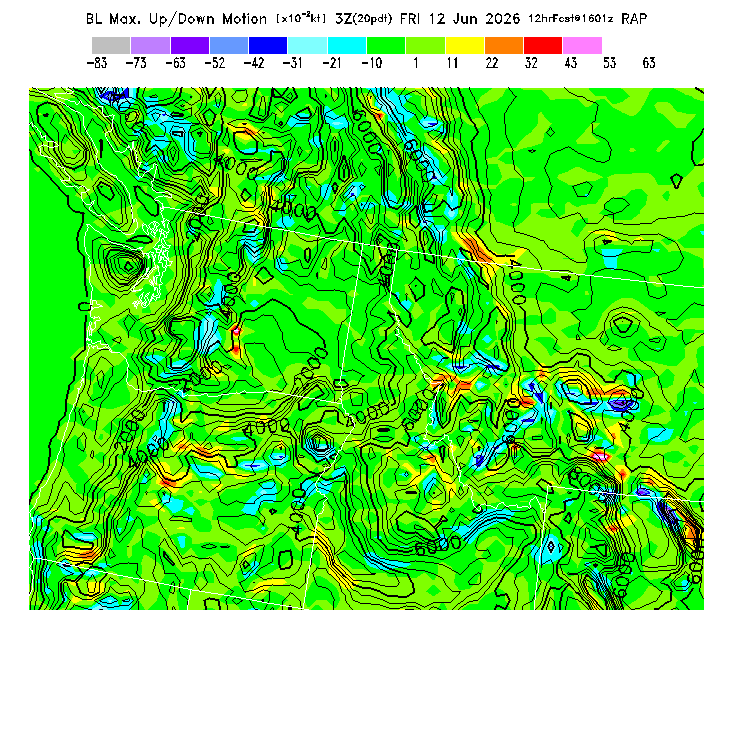
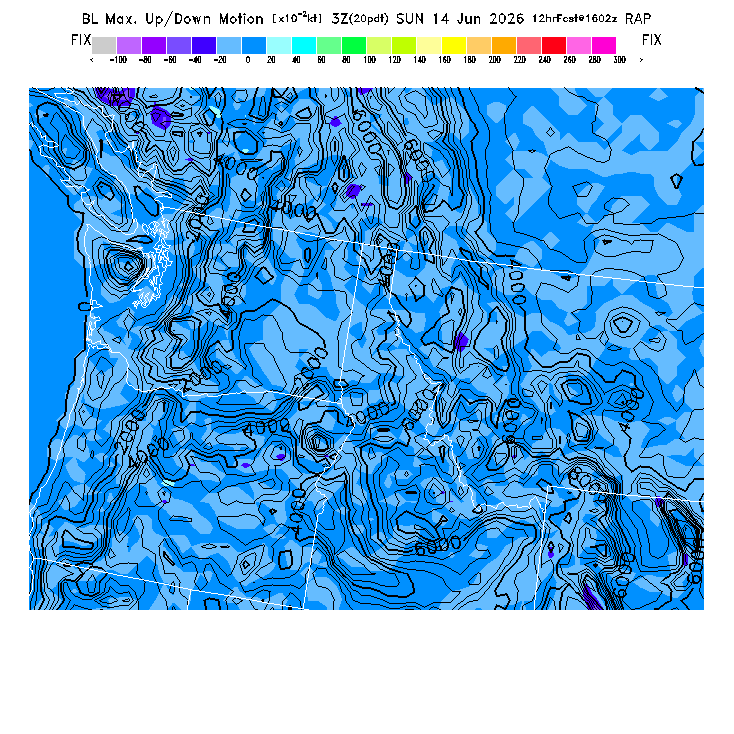
  3Z: BL Max. Up/Down Motion (BL Convergence)     
      "Classic" Coloring:       Latest      FirstToday      PreviousDay
      Fixed Coloring:       Latest      FirstToday      PreviousDay
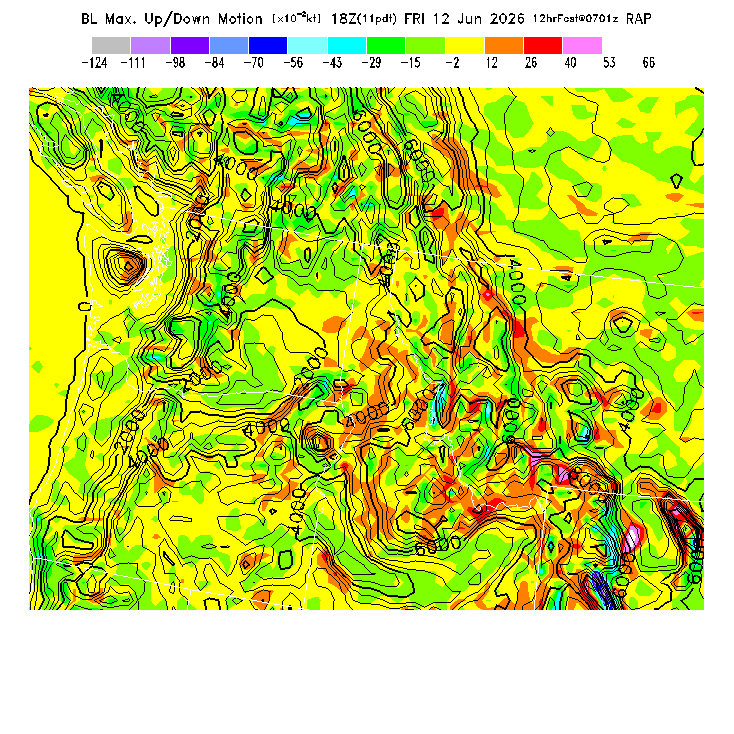
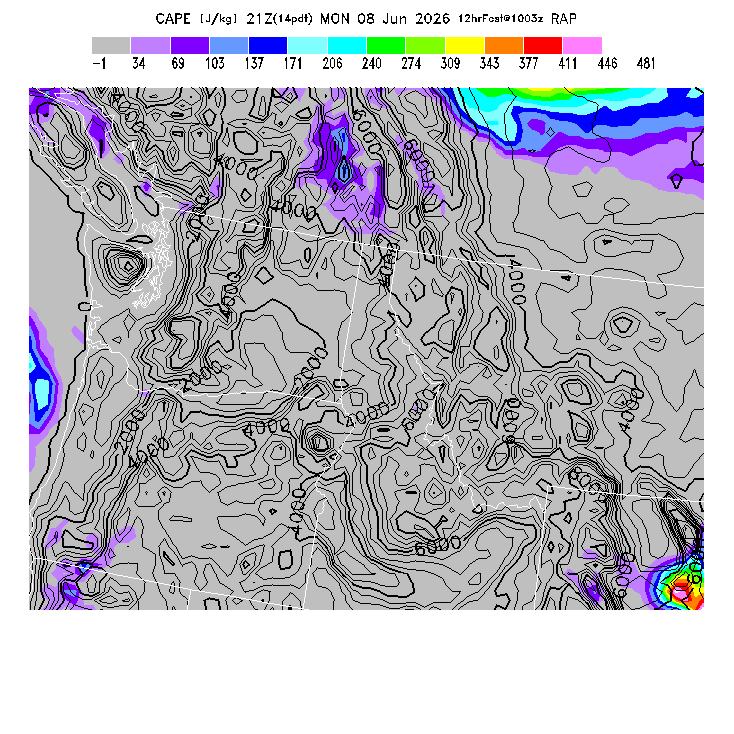
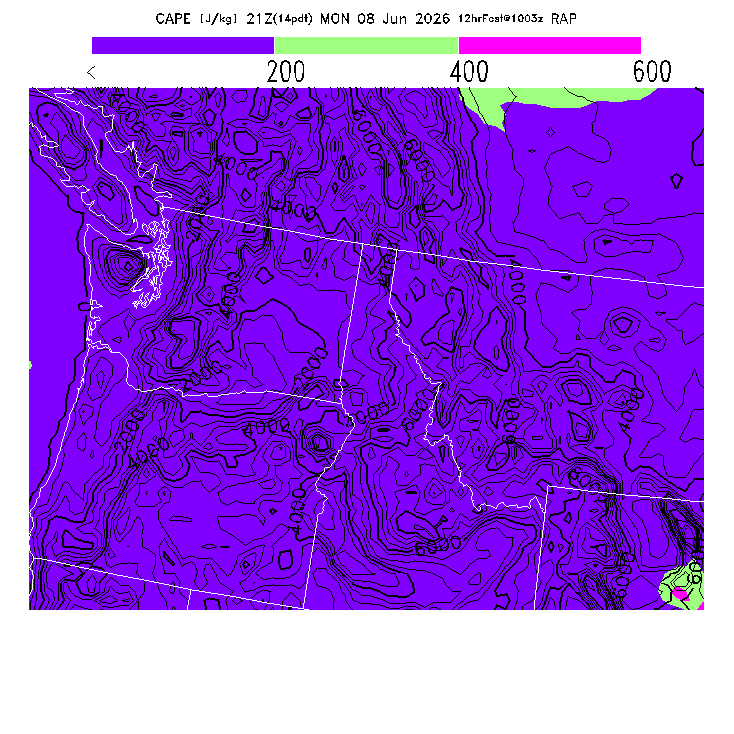
Maximum grid-area-averaged extensive upward or downward motion within the BL as created by horizontal wind convergence.  Positive convergence is associated with local small-scale convergence lines (often called "shear lines" by pilots, meaning horizontal changes of wind speed/direction) - however, the actual size of such features is much smaller than can be resolved by the model so only stronger ones will be forecast and their predictions are subject to much error.  If CAPE is also large, thunderstorms can be triggered.  Negative convergence (divergence) produces subsiding vertical motion, creating low-level inversions which limit thermalling heights.  This parameter can be noisy, so users should be wary.  MoreInfo


CLOUD PARAMETER FORECASTS:
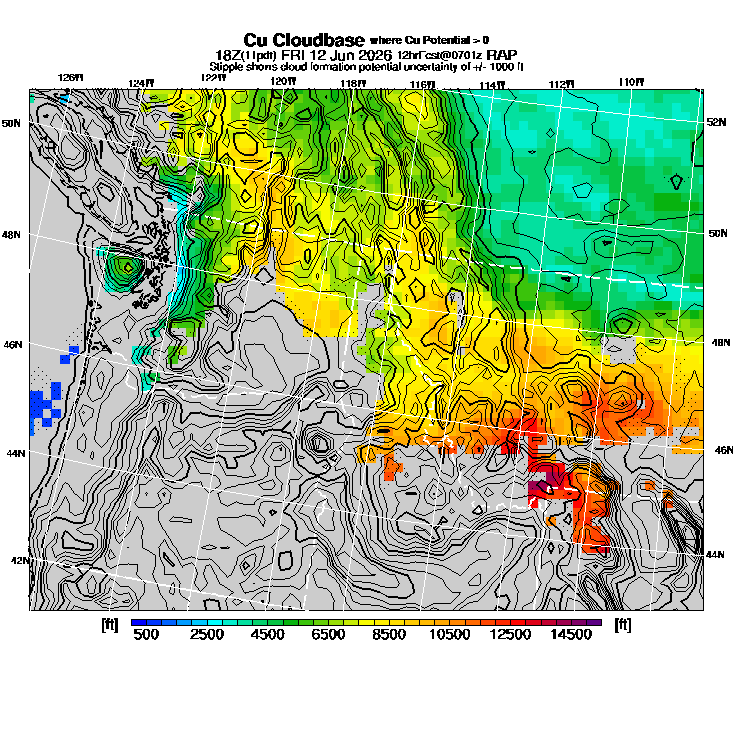
COMPOSITE: 15Z: Cumulus Cloudbase for Cu Potential > 0     
      "Classic" Coloring:       Latest      FirstToday      PreviousDay     
      Fixed Coloring:       Latest      FirstToday      PreviousDay     
COMPOSITE: 18Z: Cumulus Cloudbase for Cu Potential > 0     
      "Classic" Coloring:       Latest      FirstToday      PreviousDay     
      Fixed Coloring:       Latest      FirstToday      PreviousDay     
COMPOSITE: 21Z: Cumulus Cloudbase for Cu Potential > 0     
      "Classic" Coloring:       Latest      FirstToday      PreviousDay     
      Fixed Coloring:       Latest      FirstToday      PreviousDay     
COMPOSITE:   0Z: Cumulus Cloudbase for Cu Potential > 0     
      "Classic" Coloring:       Latest      FirstToday      PreviousDay     
      Fixed Coloring:       Latest      FirstToday      PreviousDay     
COMPOSITE:   3Z: Cumulus Cloudbase for Cu Potential > 0     
      "Classic" Coloring:       Latest      FirstToday      PreviousDay     
      Fixed Coloring:       Latest      FirstToday      PreviousDay     
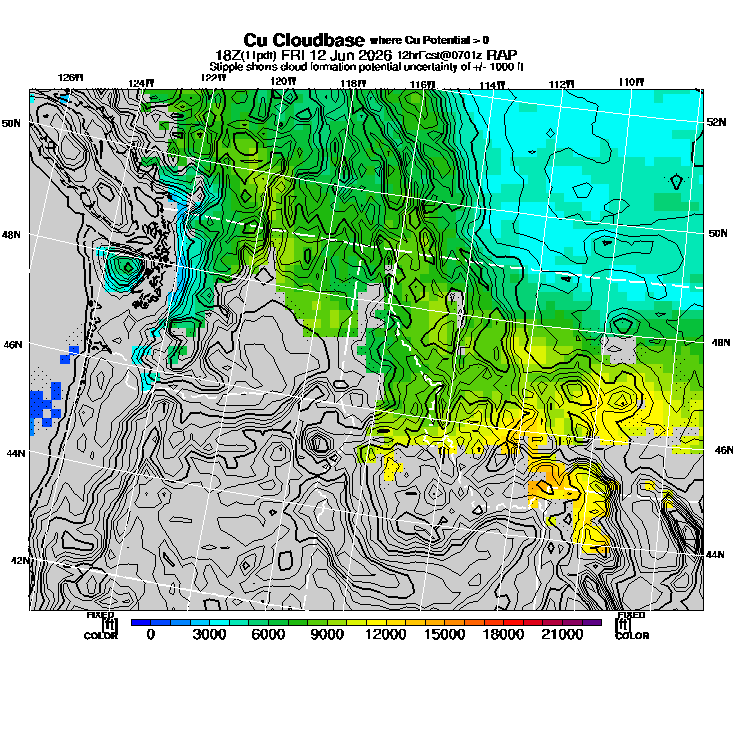
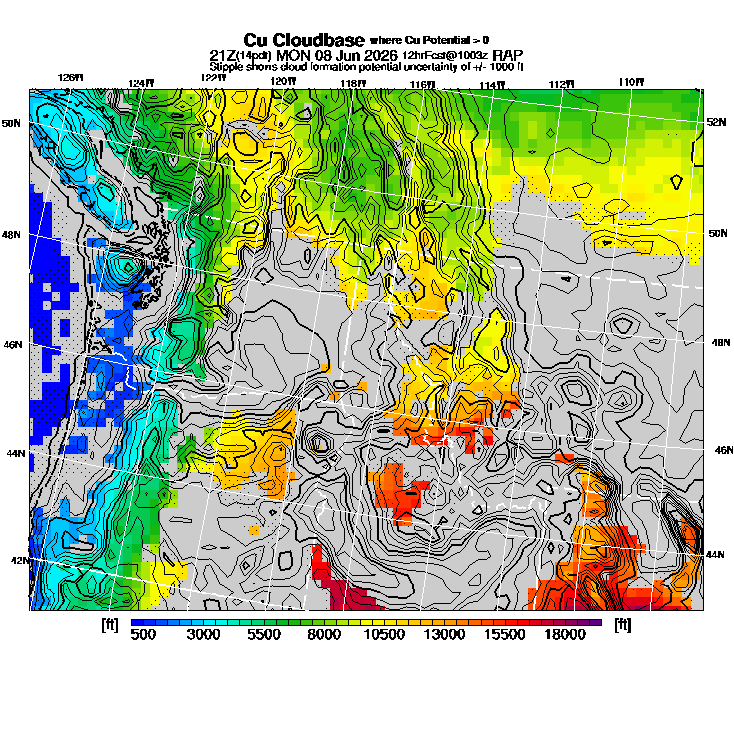
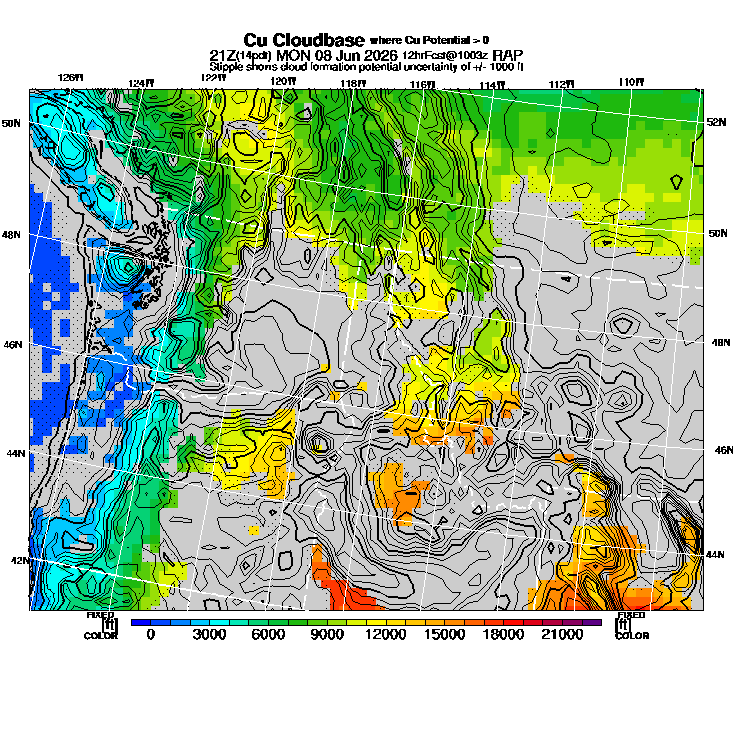
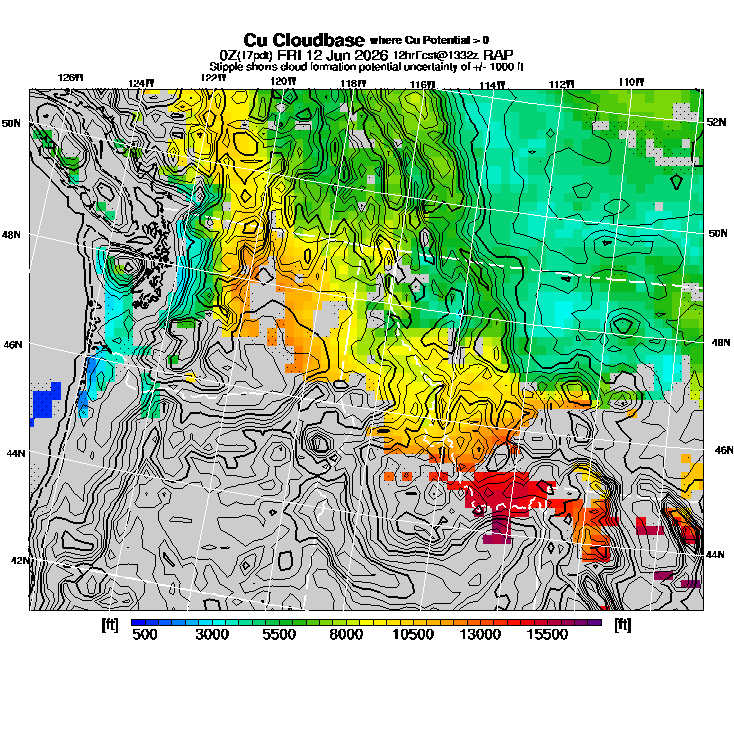
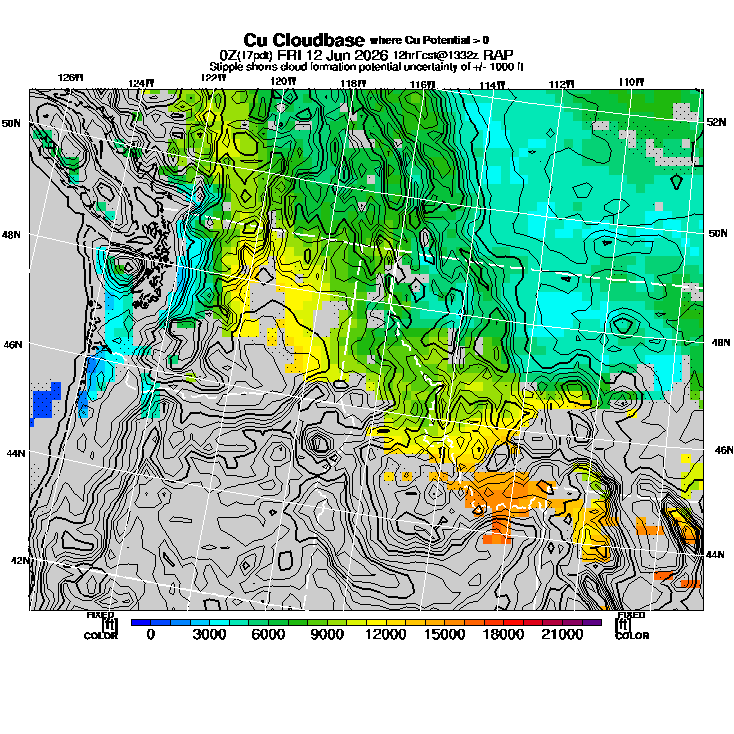
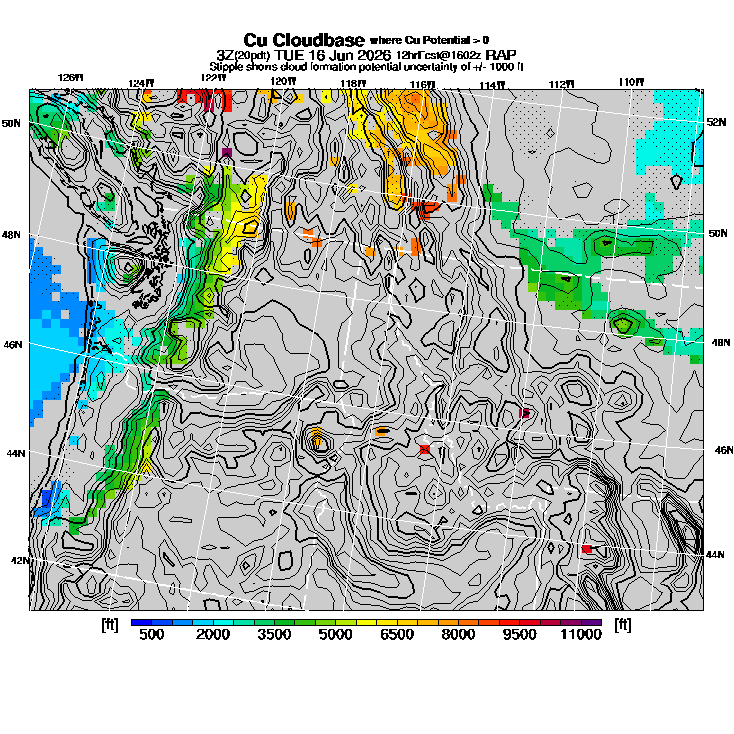
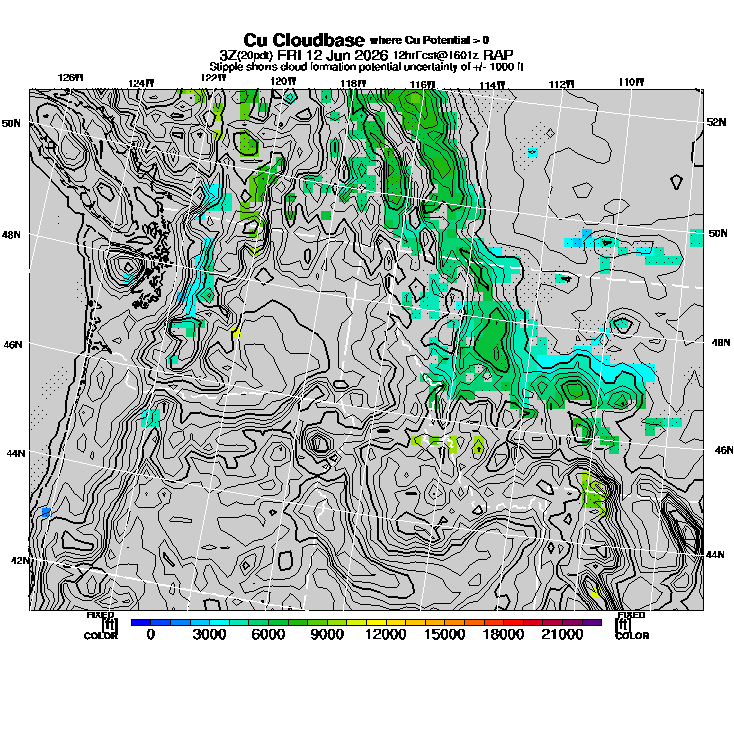
Cu Cloudbase Cloudbase contours are plotted only where that cloudbase is theoretically expected.  See "Cumulus Potential" and "Cumulus Cloudbase" parameter descriptions below for more information.  This composite is useful only for locations where the actual potential threshold for cumulus cloud production agrees with the theoretically-predicted value of zero.

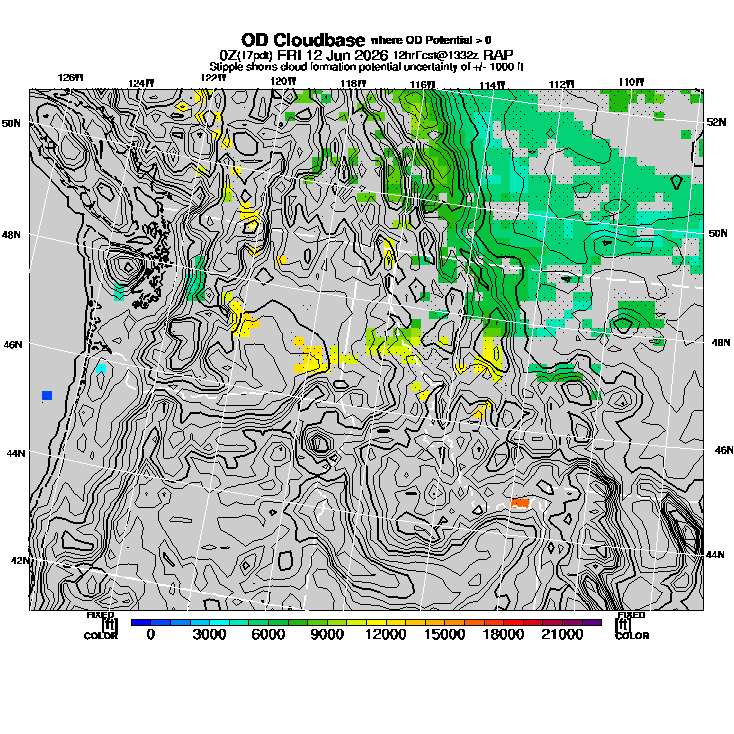
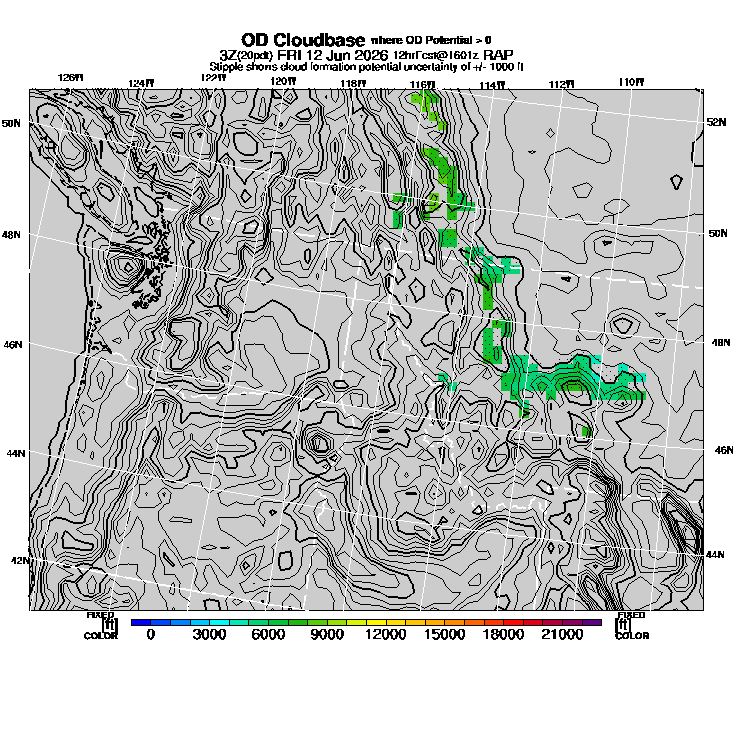
COMPOSITE: 15Z: OvercastDevelopment Cloudbase for OD Potential > 0     
      "Classic" Coloring:       Latest      FirstToday      PreviousDay     
      Fixed Coloring:       Latest      FirstToday      PreviousDay     
COMPOSITE: 18Z: OvercastDevelopment Cloudbase for OD Potential > 0     
      "Classic" Coloring:       Latest      FirstToday      PreviousDay     
      Fixed Coloring:       Latest      FirstToday      PreviousDay     
COMPOSITE: 21Z: OvercastDevelopment Cloudbase for OD Potential > 0     
      "Classic" Coloring:       Latest      FirstToday      PreviousDay     
      Fixed Coloring:       Latest      FirstToday      PreviousDay     
COMPOSITE:   0Z: OvercastDevelopment Cloudbase for OD Potential > 0     
      "Classic" Coloring:       Latest      FirstToday      PreviousDay     
      Fixed Coloring:       Latest      FirstToday      PreviousDay     
COMPOSITE:   3Z: OvercastDevelopment Cloudbase for OD Potential > 0     
      "Classic" Coloring:       Latest      FirstToday      PreviousDay     
      Fixed Coloring:       Latest      FirstToday      PreviousDay     
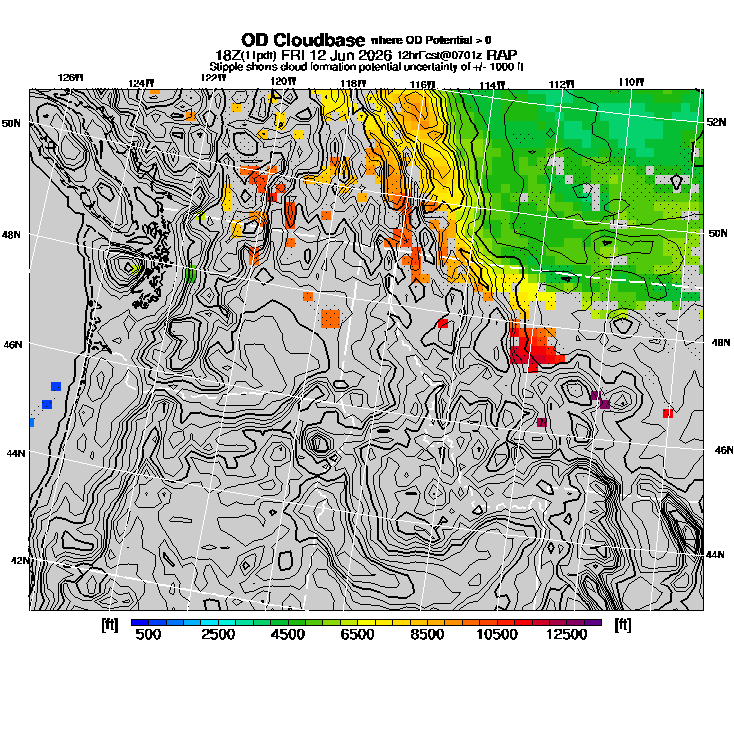
OvercastDevelopment Cloudbase Cloudbase contours are plotted only where that cloudbase is theoretically expected.  See "OvercastDevelopment Potential" and "OvercastDevelopment Cloudbase" parameter descriptions below for more information.  This composite is useful only for locations where the actual potential threshold for OD cloud production agrees with the theoretically-predicted value of zero.

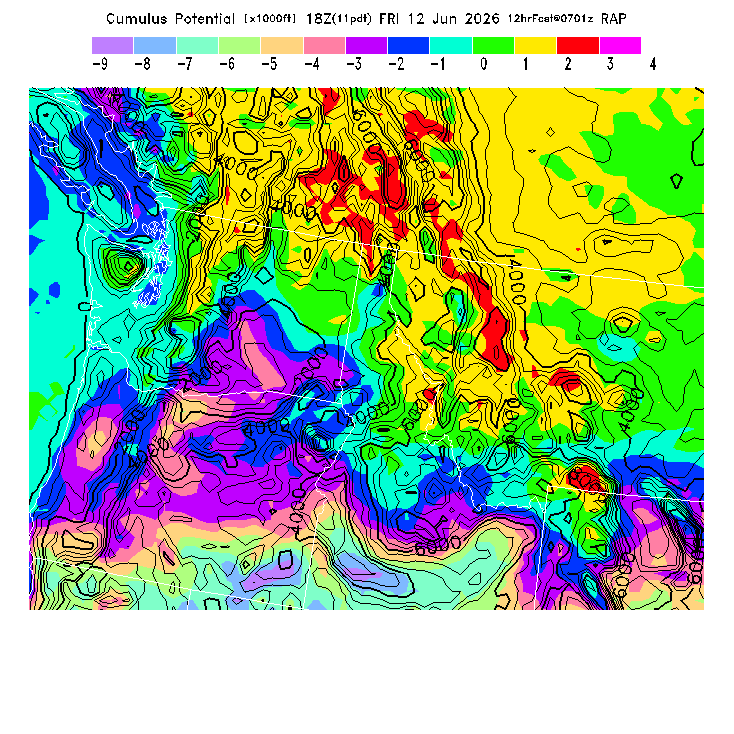
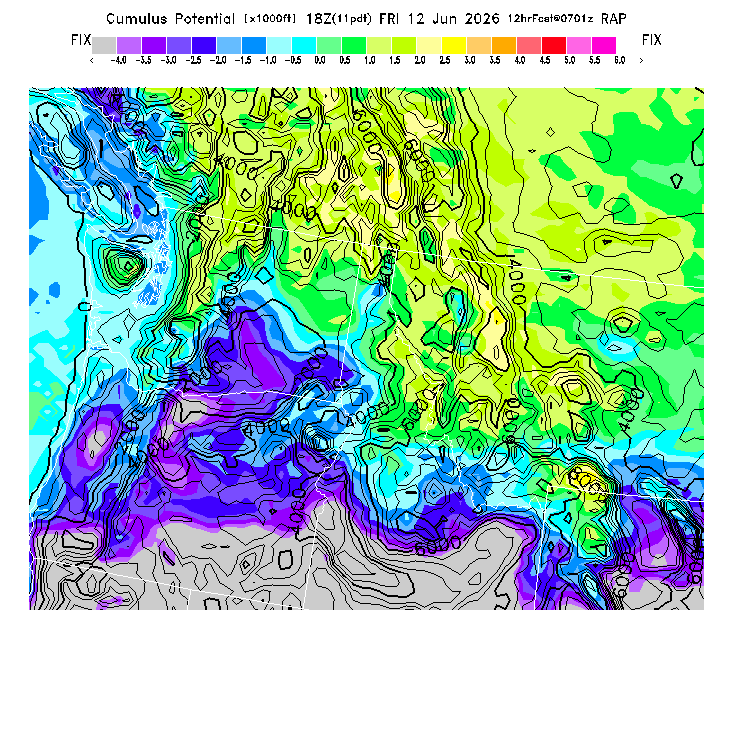
15Z: Cumulus Potential     
      "Classic" Coloring:       Latest      FirstToday      PreviousDay
      Fixed Coloring:       Latest      FirstToday      PreviousDay
18Z: Cumulus Potential     
      "Classic" Coloring:       Latest      FirstToday      PreviousDay
      Fixed Coloring:       Latest      FirstToday      PreviousDay
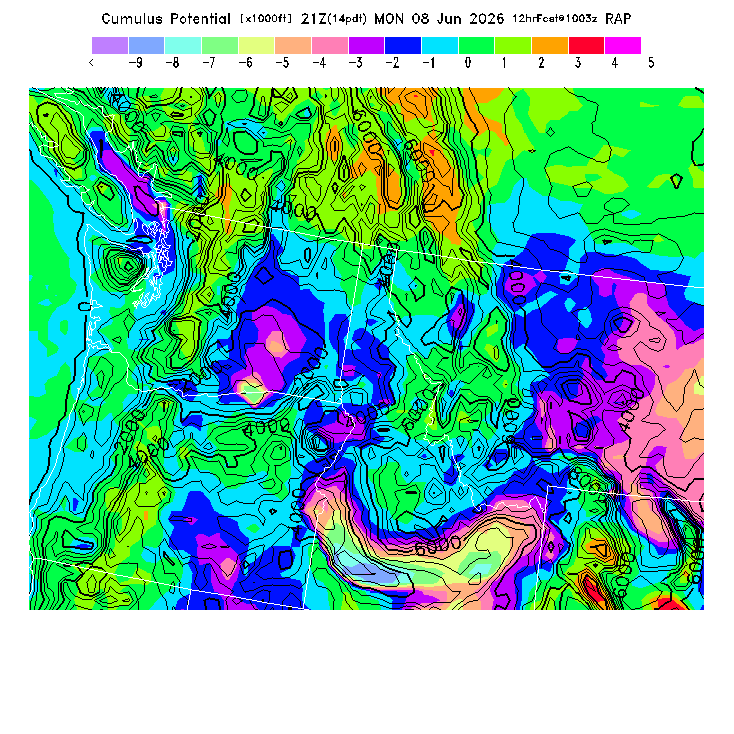
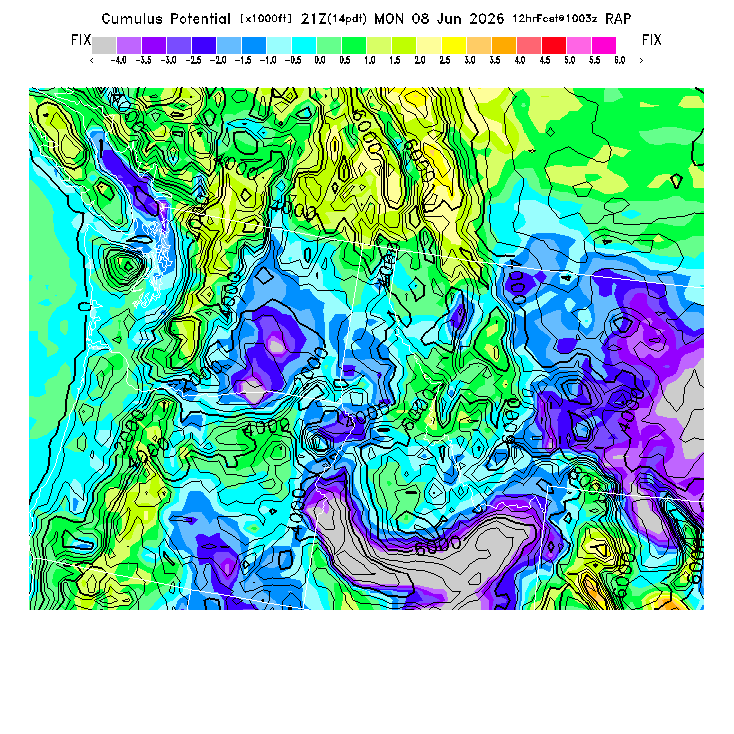
21Z: Cumulus Potential     
      "Classic" Coloring:       Latest      FirstToday      PreviousDay
      Fixed Coloring:       Latest      FirstToday      PreviousDay
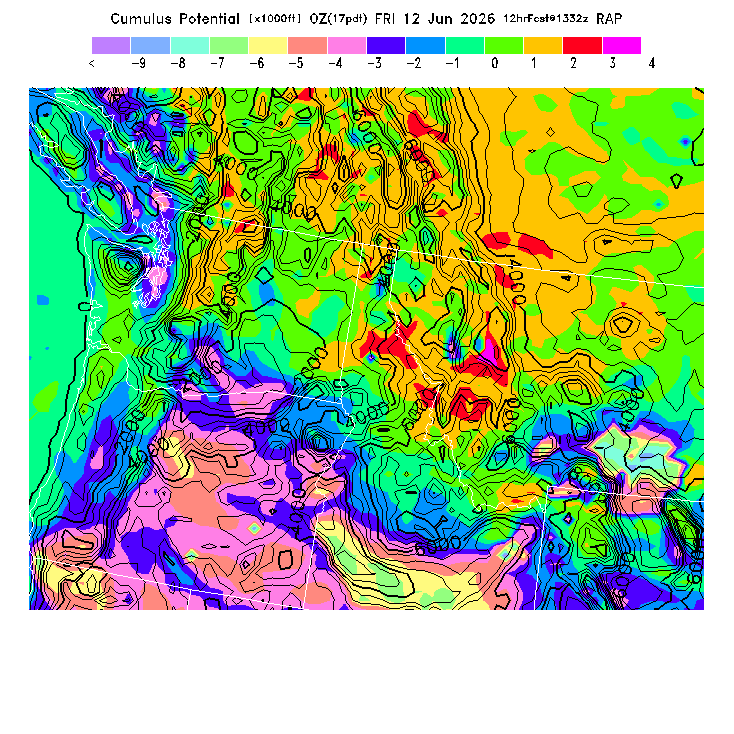
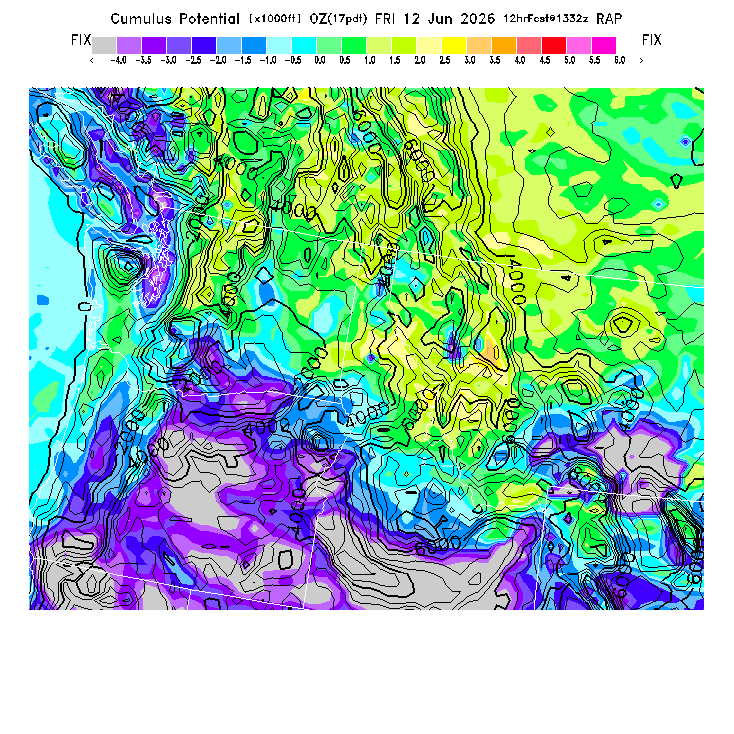
  0Z: Cumulus Potential     
      "Classic" Coloring:       Latest      FirstToday      PreviousDay
      Fixed Coloring:       Latest      FirstToday      PreviousDay
  3Z: Cumulus Potential     
      "Classic" Coloring:       Latest      FirstToday      PreviousDay
      Fixed Coloring:       Latest      FirstToday      PreviousDay
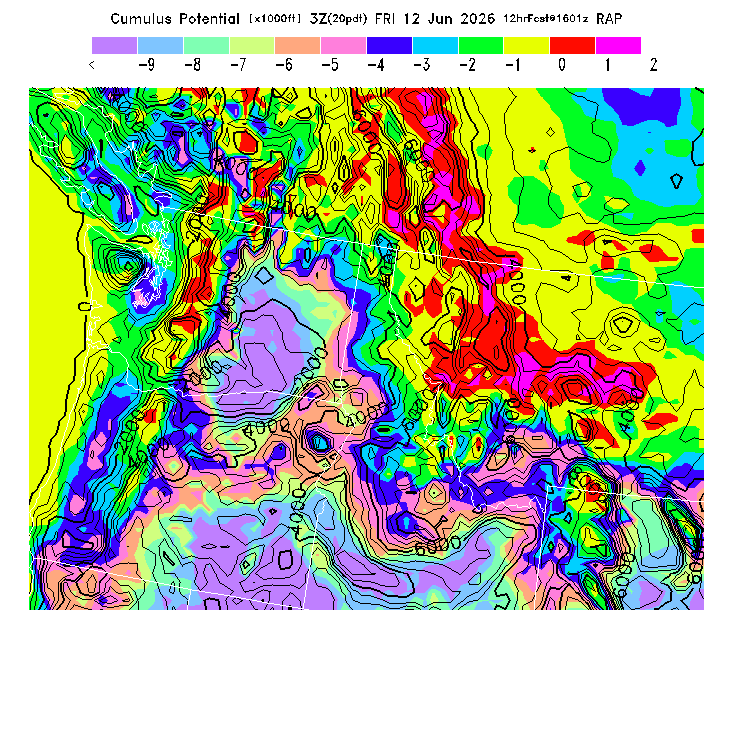
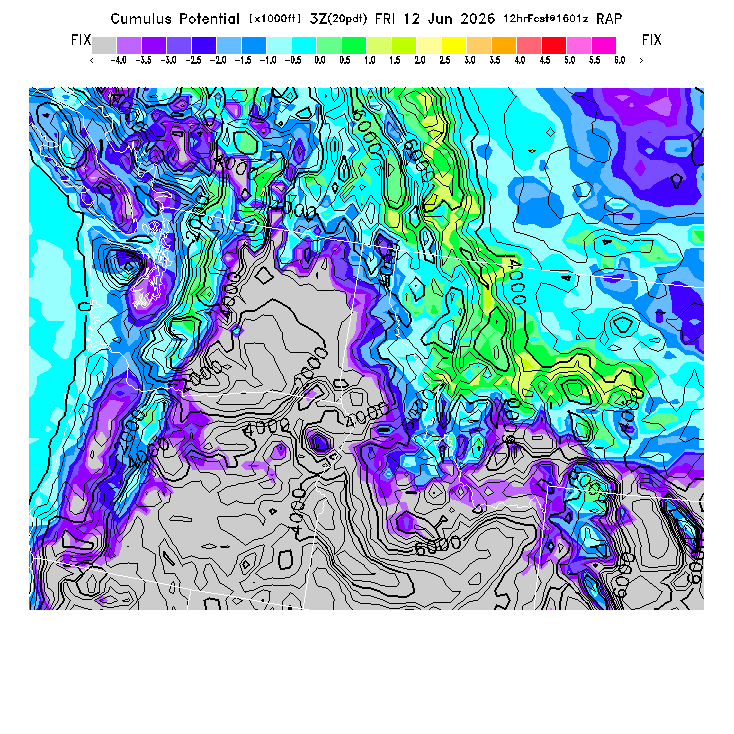
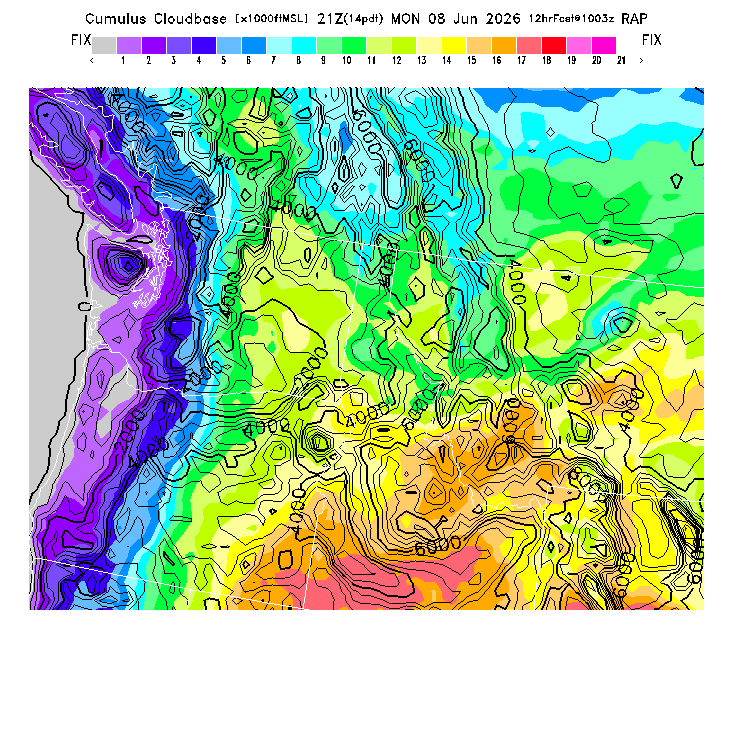
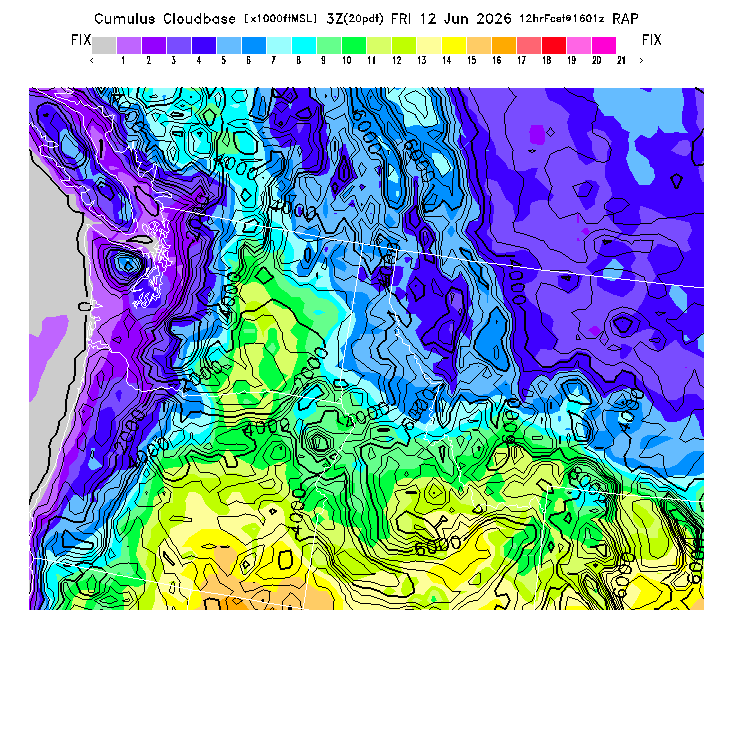
This evaluates the potential for small, non-extensive "puffy cloud" formation in the BL, being the height difference between the surface-based LCL (see below) and the BL top.  Small cumulus clouds are (simply) predicted when the parameter positive, but it is quite possible that the threshold value is actually greater than zero for your location so empirical evaluation is advised.  I would be interested in receiving end-of-season reports on what threshold value worked for your site.  Clouds can also occur with negative values if the air is lifted up the indicated vertical distance by flow up a small-scale ridge not resolved by the model's smoothed topography.  [This parameter is truncated at -10,000 for plotting.]   MoreInfo

15Z: Cumulus Cloudbase (Sfc. LCL)     
      "Classic" Coloring:       Latest      FirstToday      PreviousDay
      Fixed Coloring:       Latest      FirstToday      PreviousDay
18Z: Cumulus Cloudbase (Sfc. LCL)     
      "Classic" Coloring:       Latest      FirstToday      PreviousDay
      Fixed Coloring:       Latest      FirstToday      PreviousDay
21Z: Cumulus Cloudbase (Sfc. LCL)     
      "Classic" Coloring:       Latest      FirstToday      PreviousDay
      Fixed Coloring:       Latest      FirstToday      PreviousDay
  0Z: Cumulus Cloudbase (Sfc. LCL)     
      "Classic" Coloring:       Latest      FirstToday      PreviousDay
      Fixed Coloring:       Latest      FirstToday      PreviousDay
  3Z: Cumulus Cloudbase (Sfc. LCL)     
      "Classic" Coloring:       Latest      FirstToday      PreviousDay
      Fixed Coloring:       Latest      FirstToday      PreviousDay
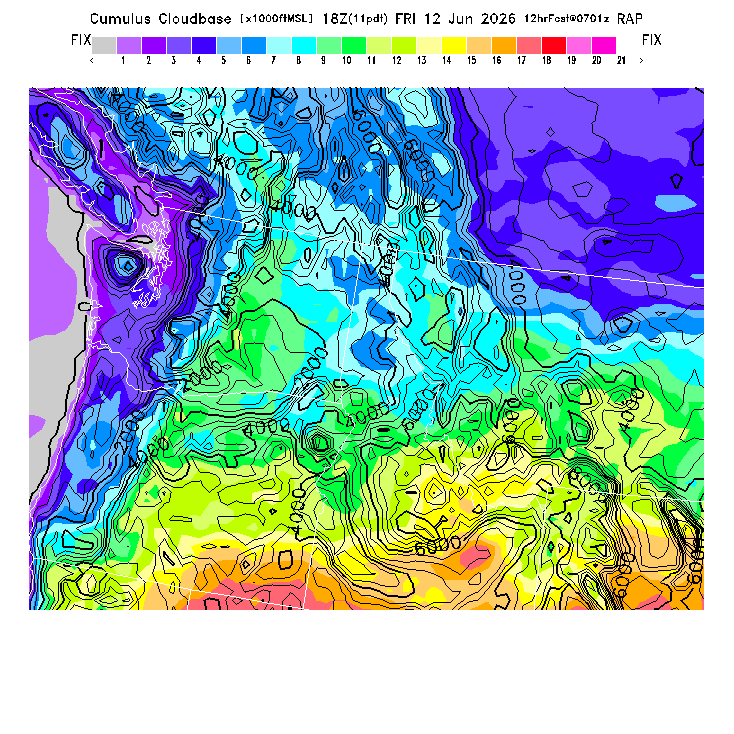
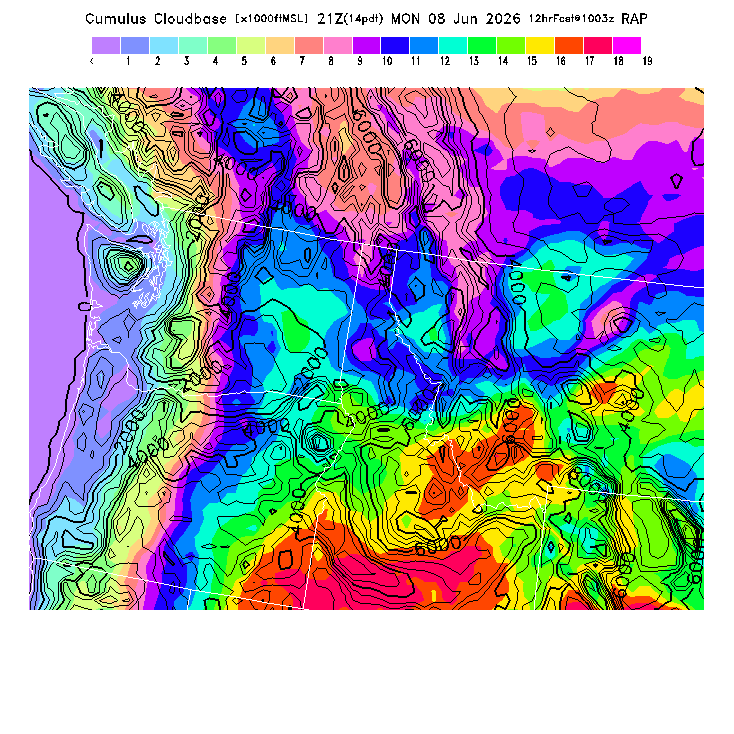
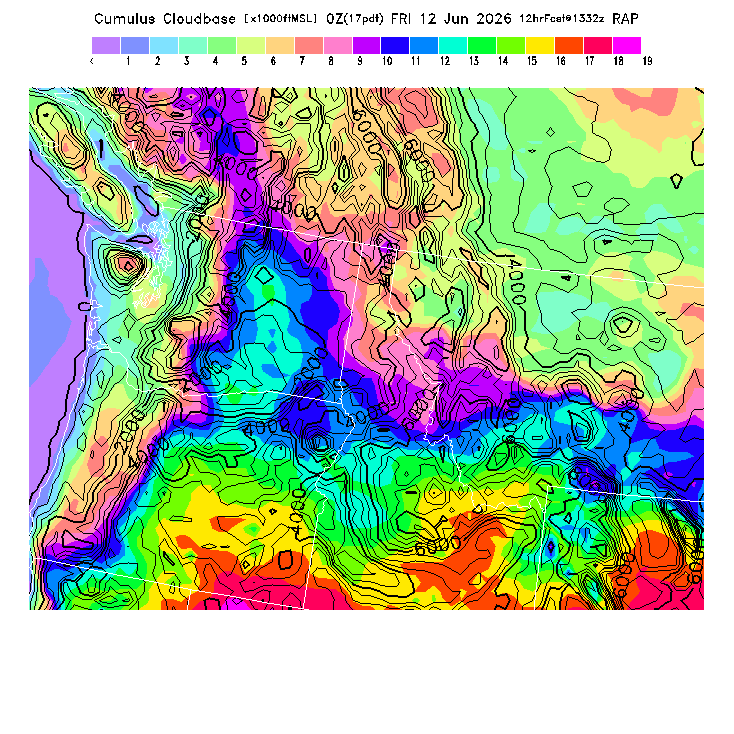
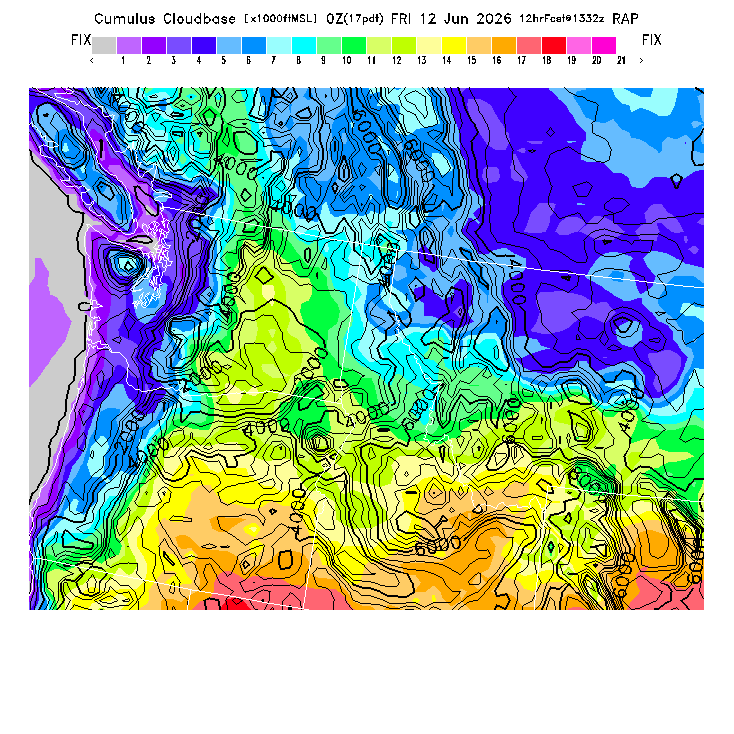
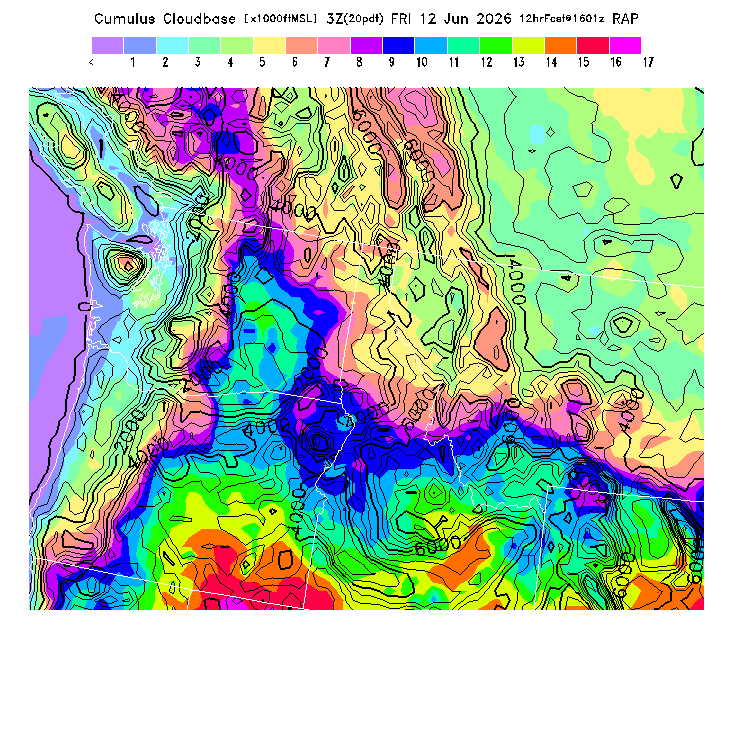
This height estimates the cloudbase for small, non-extensive "puffy" clouds in the BL, if such exist i.e. if the Cumulus Potential parameter (above) is positive or greater than the threshold Cumulus Potential empirically determined for your site.  The surface LCL (Lifting Condensation Level) is the level to which humid air must ascend before it cools enough to reach a dew point temperature based on the surface mixing ratio and is therefore relevant only to small clouds - unlike the below BL-based CL which uses a BL-averaged humidity.  However, this parameter has a theoretical difficulty (see "MoreInfo" link below) and quite possibly that the actual cloudbase will be higher than given here - so perhaps this should be considered a minimum possible cloudbase.  I would be interested in receiving end-of-season reports on how well this parameter worked for your site.  [This parameter is truncated at 22,000 for plotting.]   MoreInfo

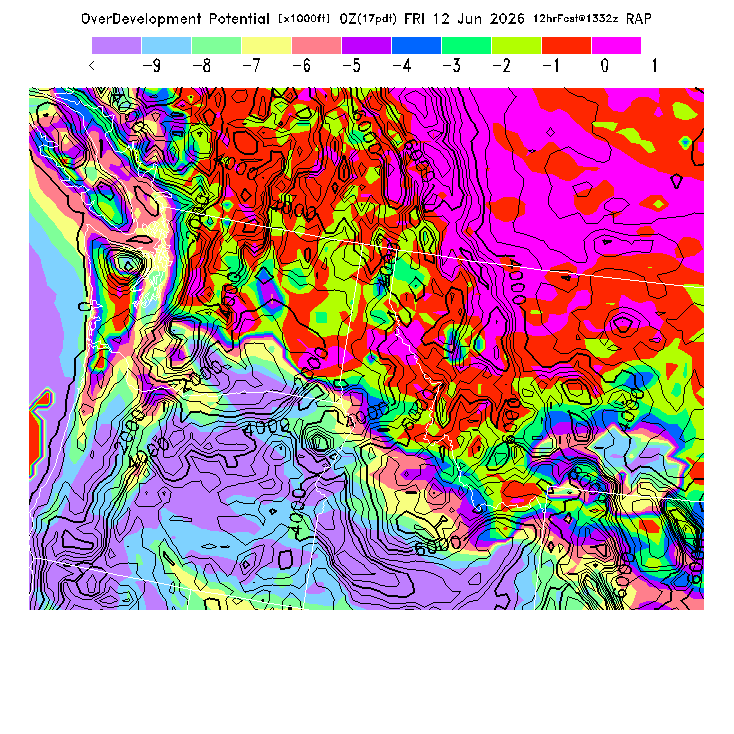
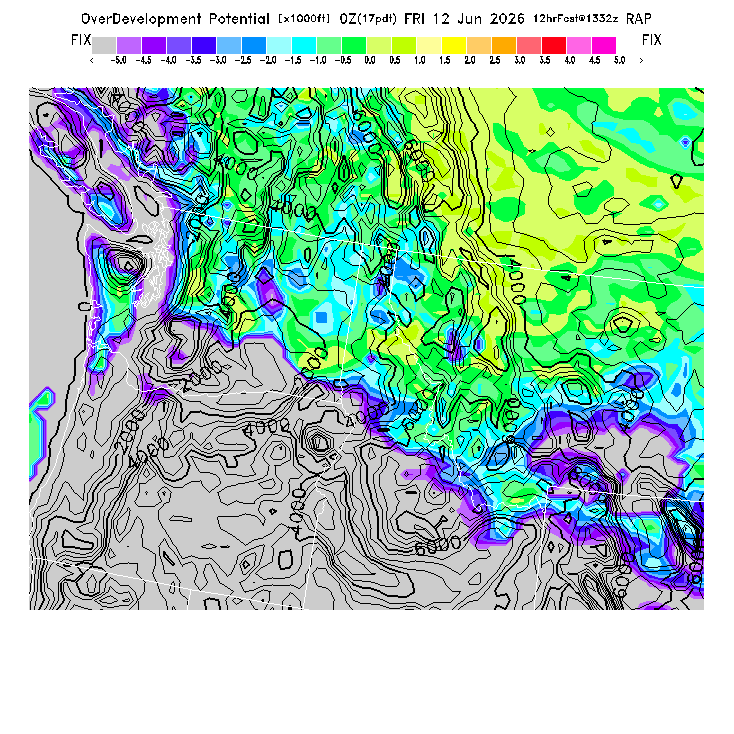
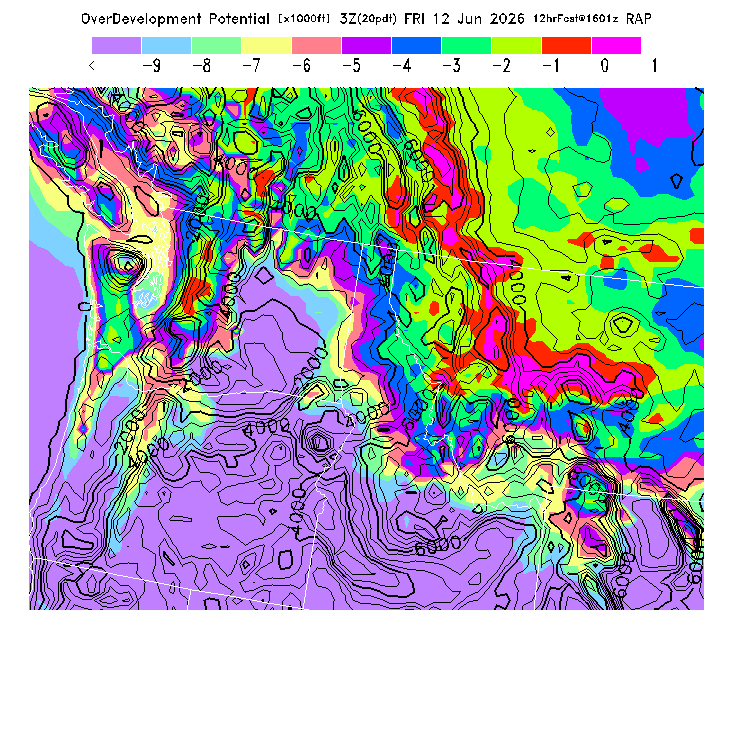
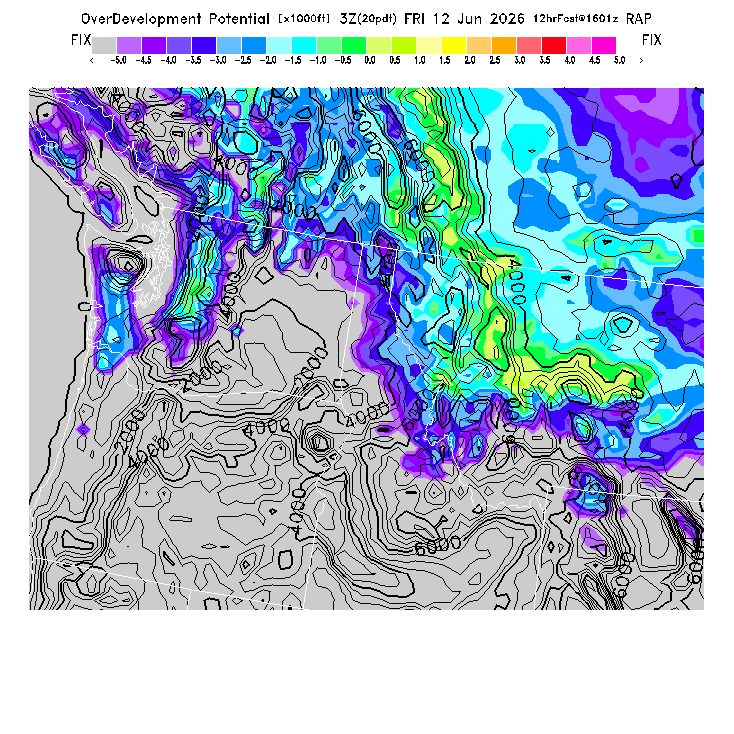
15Z: OvercastDevelopment Potential     
      "Classic" Coloring:       Latest      FirstToday      PreviousDay
      Fixed Coloring:       Latest      FirstToday      PreviousDay
18Z: OvercastDevelopment Potential     
      "Classic" Coloring:       Latest      FirstToday      PreviousDay
      Fixed Coloring:       Latest      FirstToday      PreviousDay
21Z: OvercastDevelopment Potential     
      "Classic" Coloring:       Latest      FirstToday      PreviousDay
      Fixed Coloring:       Latest      FirstToday      PreviousDay
  0Z: OvercastDevelopment Potential     
      "Classic" Coloring:       Latest      FirstToday      PreviousDay
      Fixed Coloring:       Latest      FirstToday      PreviousDay
  3Z: OvercastDevelopment Potential     
      "Classic" Coloring:       Latest      FirstToday      PreviousDay
      Fixed Coloring:       Latest      FirstToday      PreviousDay
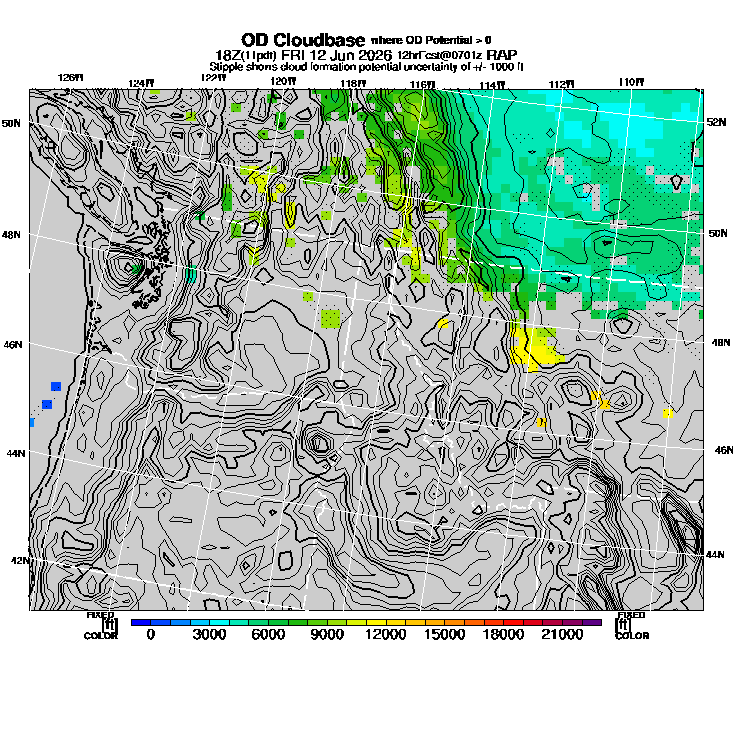
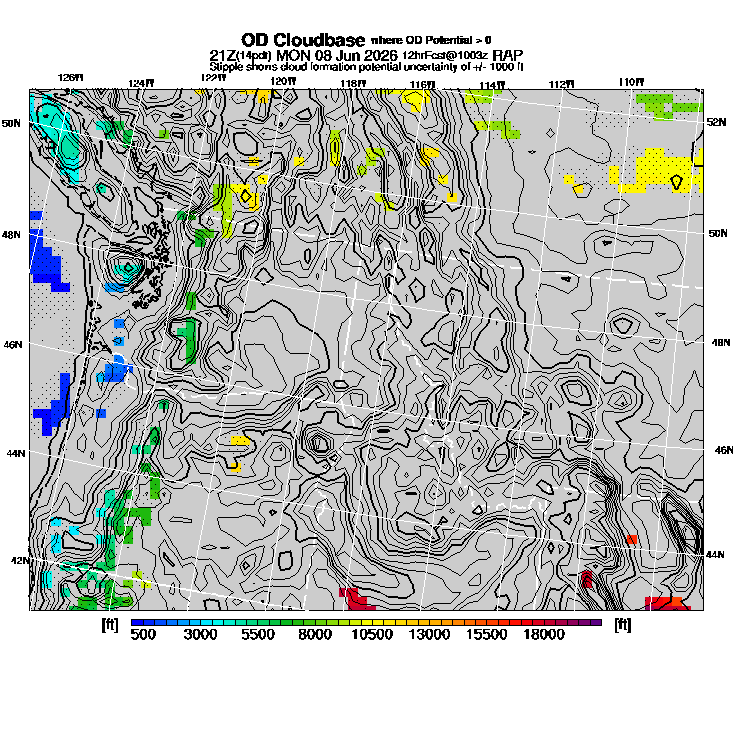
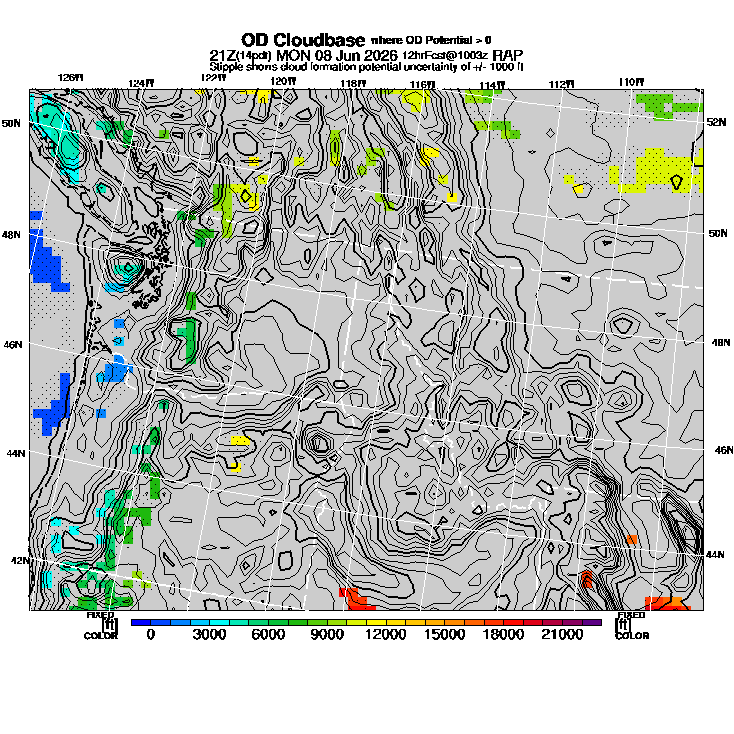
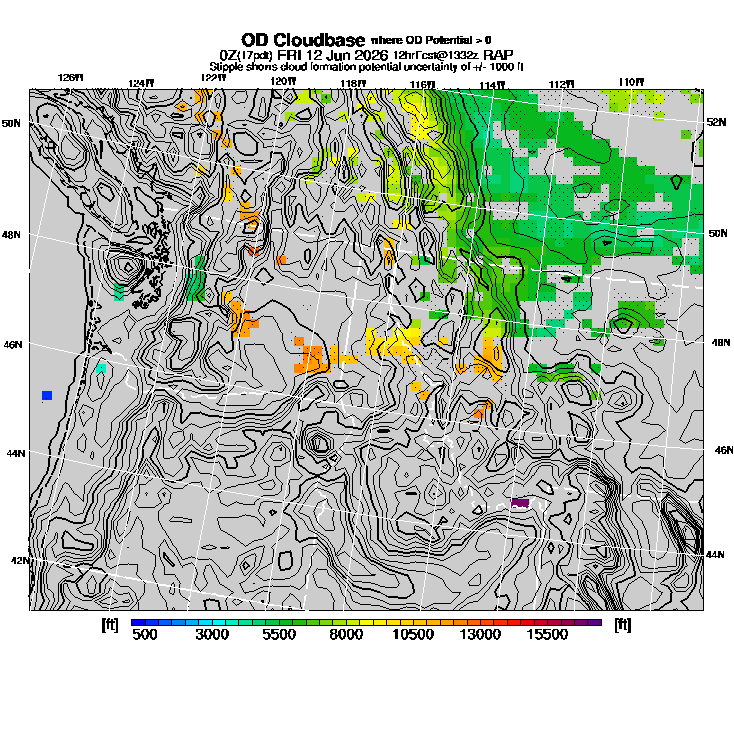
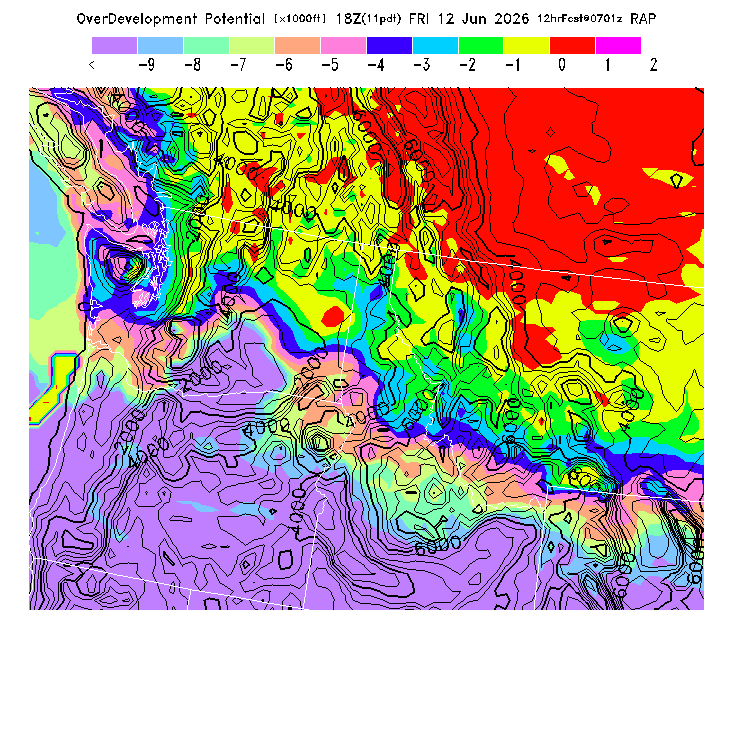
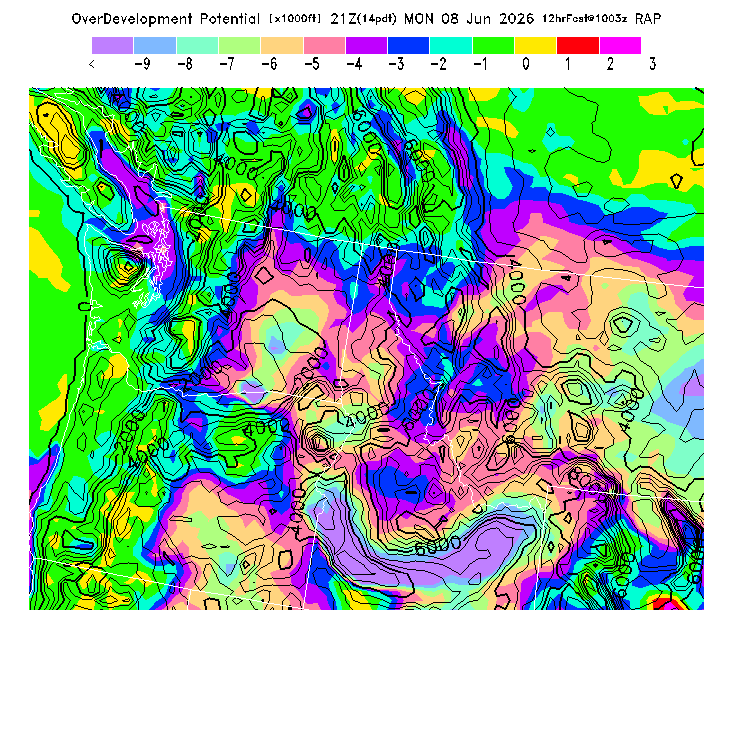
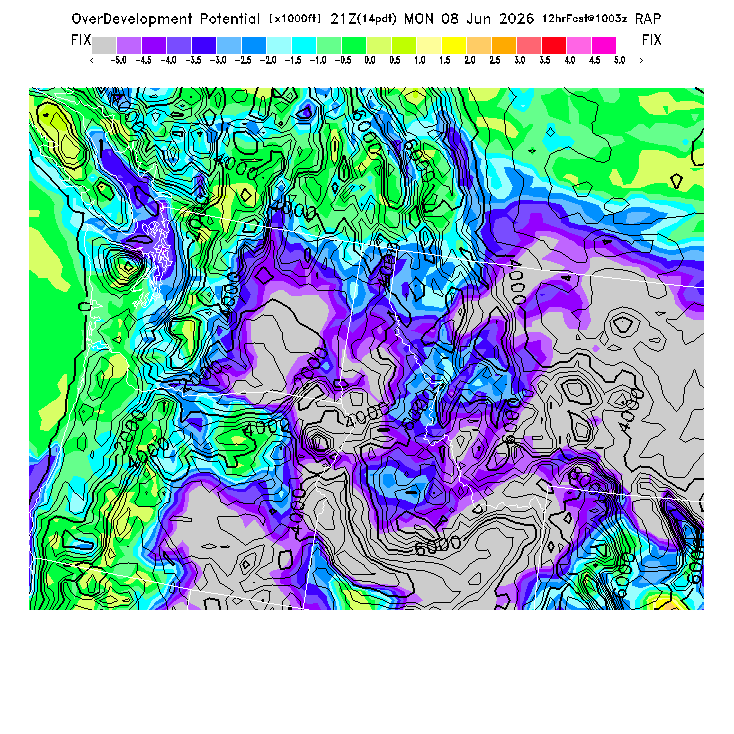
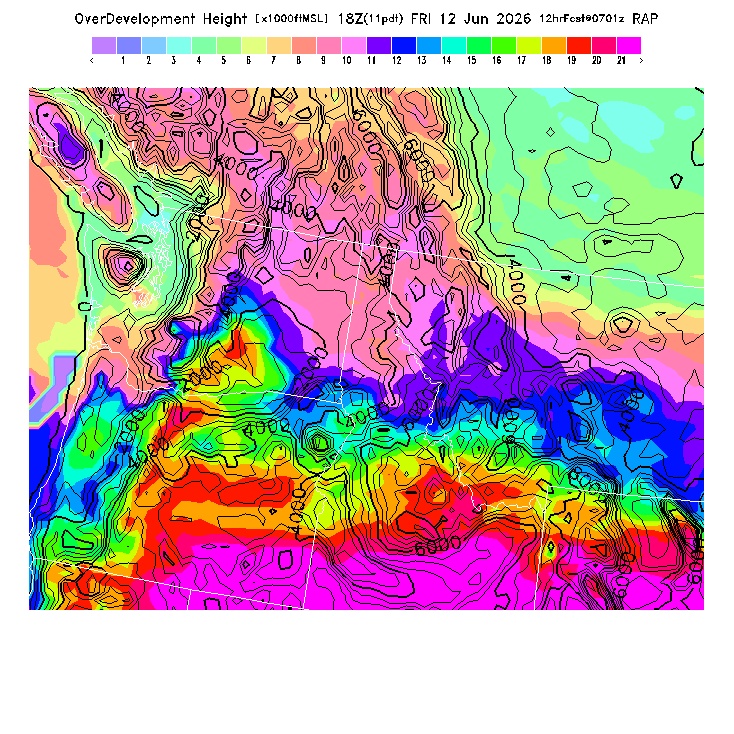
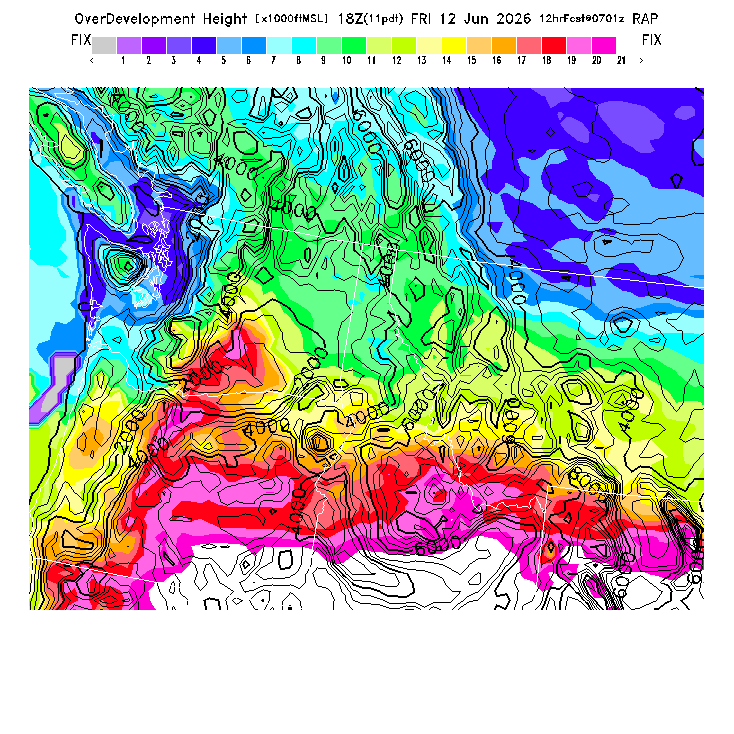
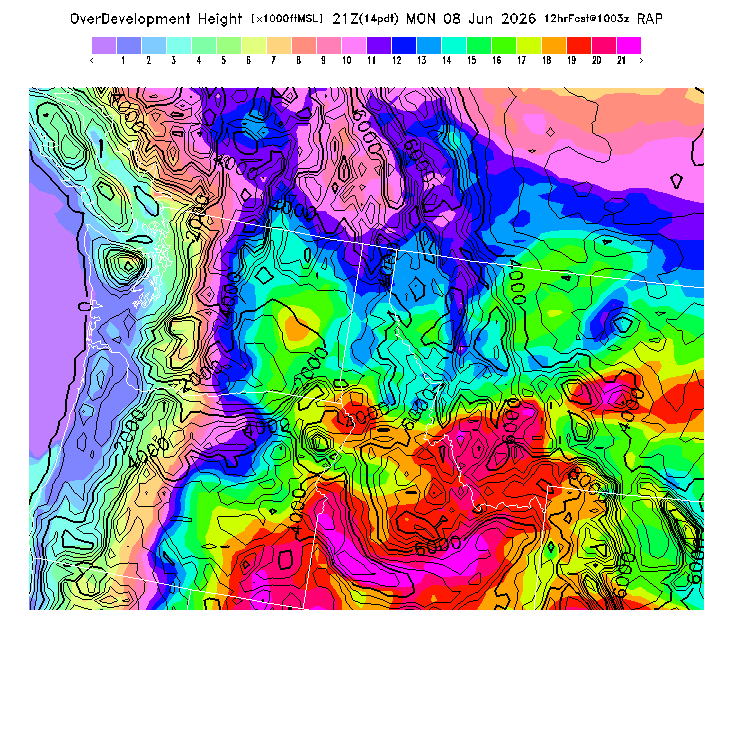
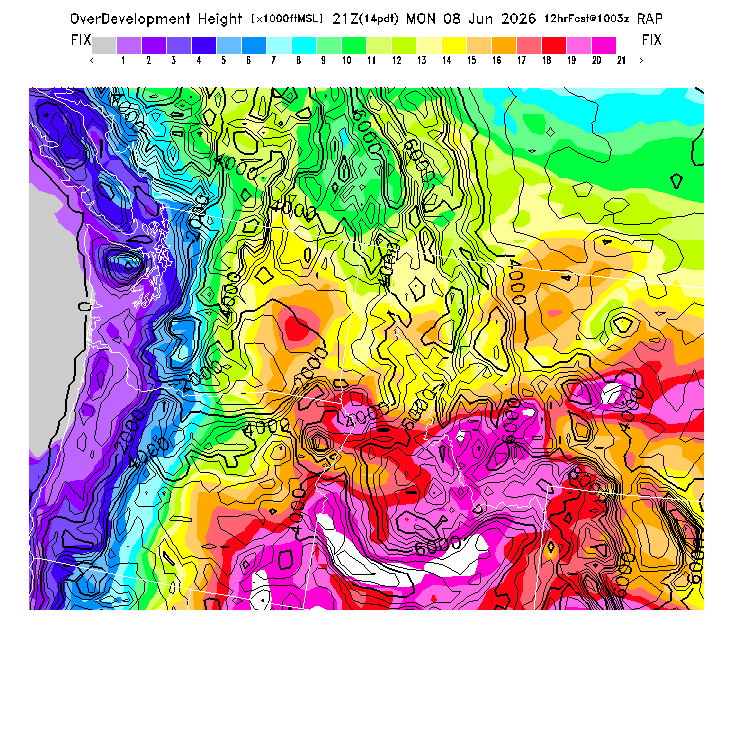
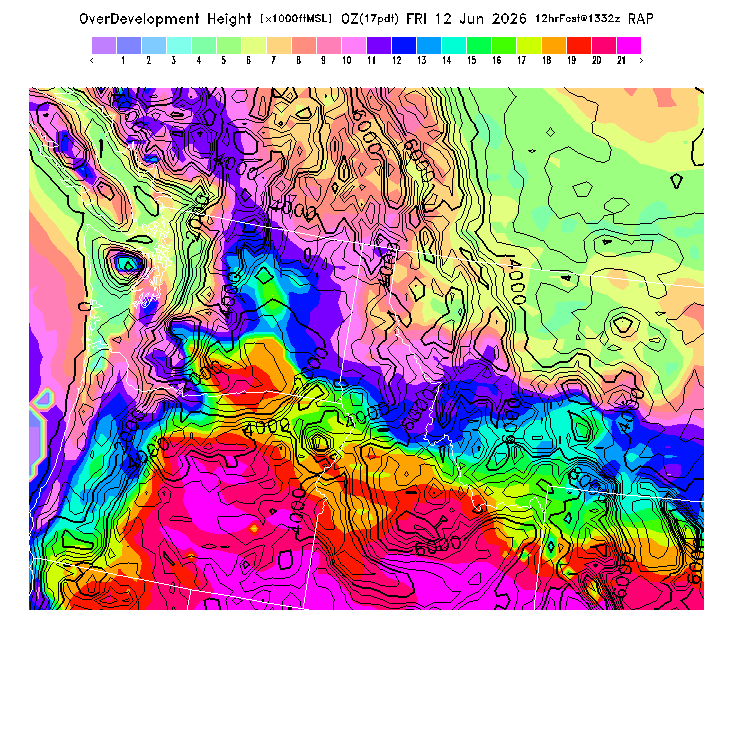
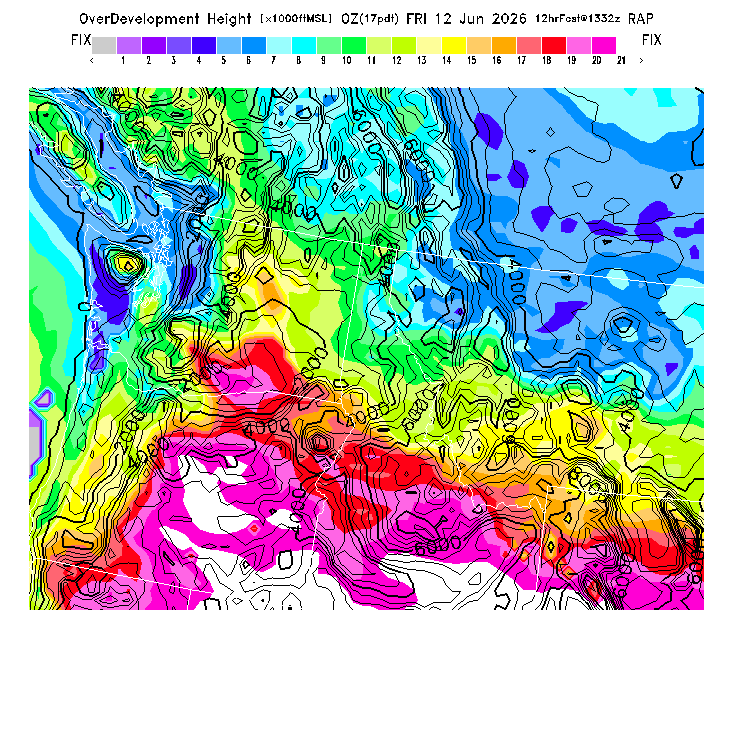
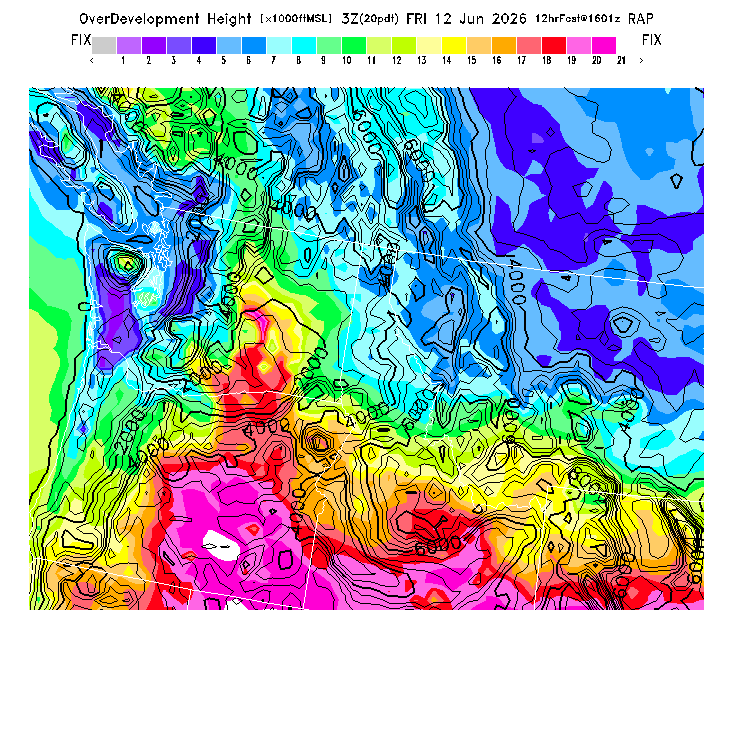
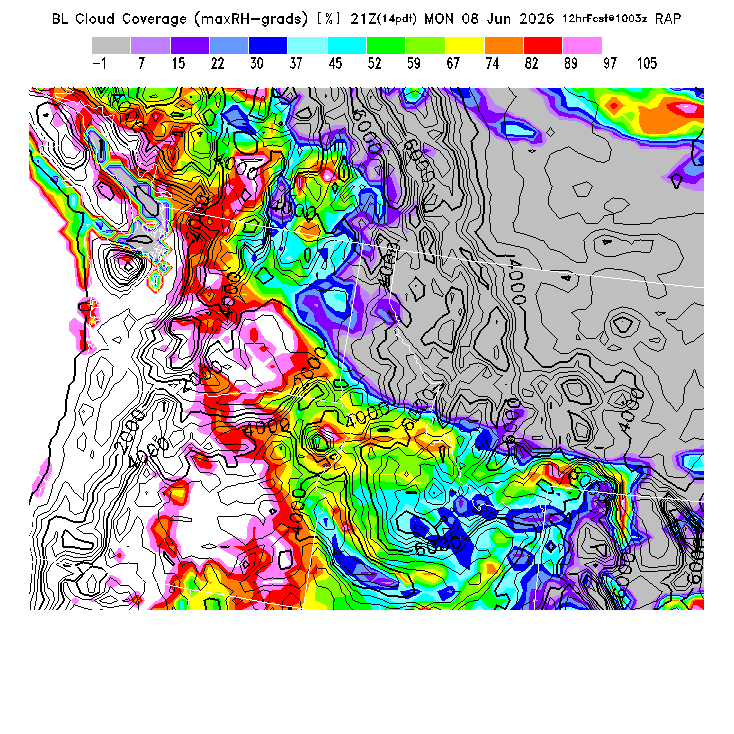
This evaluates the potential for extensive cloud formation (OvercastDevelopment) at the BL top, being the height difference between the BL CL (see below) and the BL top.  Extensive clouds and likely OvercastDevelopment are predicted when the parameter is positive, with OvercastDevelopment being increasingly more likely with higher positive values.  OvercastDevelopment can also occur with negative values if the air is lifted up the indicated vertical distance by flow up a small-scale ridge not resolved by the model's smoothed topography.  [This parameter is truncated at -10,000 for plotting.]   MoreInfo

15Z: OvercastDevelopment Cloudbase (BL CL)     
      "Classic" Coloring:       Latest      FirstToday      PreviousDay
      Fixed Coloring:       Latest      FirstToday      PreviousDay
18Z: OvercastDevelopment Cloudbase (BL CL)     
      "Classic" Coloring:       Latest      FirstToday      PreviousDay
      Fixed Coloring:       Latest      FirstToday      PreviousDay
21Z: OvercastDevelopment Cloudbase (BL CL)     
      "Classic" Coloring:       Latest      FirstToday      PreviousDay
      Fixed Coloring:       Latest      FirstToday      PreviousDay
  0Z: OvercastDevelopment Cloudbase (BL CL)     
      "Classic" Coloring:       Latest      FirstToday      PreviousDay
      Fixed Coloring:       Latest      FirstToday      PreviousDay
  3Z: OvercastDevelopment Cloudbase (BL CL)     
      "Classic" Coloring:       Latest      FirstToday      PreviousDay
      Fixed Coloring:       Latest      FirstToday      PreviousDay
This height estimates the cloudbase for extensive BL clouds (OvercastDevelopment), if such exist, i.e. if the OvercastDevelopment Potential parameter (above) is positive.  The BL CL (Condensation Level) is based upon the humidity averaged through the BL and is therefore relevant only to extensive clouds (OvercastDevelopment) - unlike the above surface-based LCL which uses a surface humidity.  [This parameter is truncated at 22,000 for plotting.]   MoreInfo

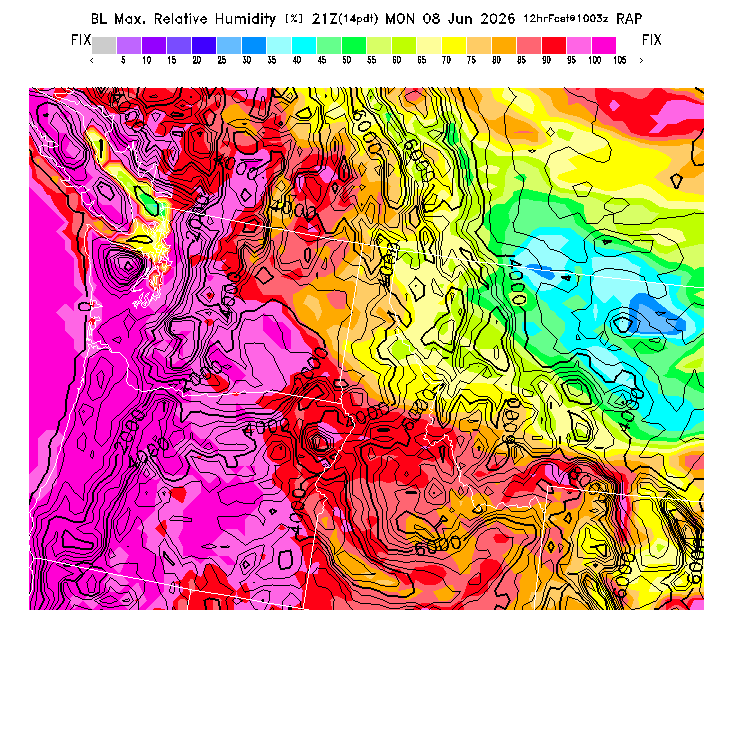
15Z: BL Max. Relative Humidity     
      "Classic" Coloring:       Latest      FirstToday      PreviousDay
      Fixed Coloring: